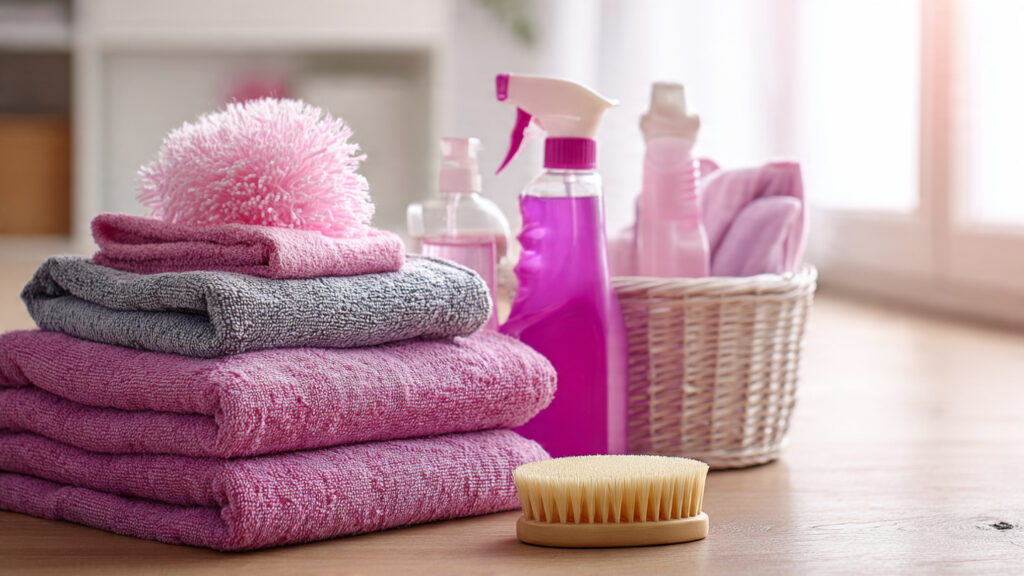
Housework—while necessary—can often feel like a never-ending cycle of cleaning, tidying, and organizing. Between work, family, and personal time, finding the hours to keep a home in order can be overwhelming. But what if you could transform your daily home routine to save hours each week while maintaining a clean and comfortable living space? By adopting smart strategies, efficient habits, and a proactive approach, you can turn housework from a daunting chore into a manageable—and even satisfying—part of your day.
In this article, we explore practical ways to streamline your home routine, reduce unnecessary effort, and reclaim time for what really matters.
1. Plan and Prioritize Your Cleaning Tasks
A key to saving time on housework is knowing what to do and when to do it. Without a plan, cleaning becomes reactive and often inefficient.
- Create a Weekly Schedule: Break tasks into daily, weekly, and monthly routines. For example:
- Daily: Washing dishes, wiping kitchen counters, and tidying living areas.
- Weekly: Vacuuming, laundry, and bathroom cleaning.
- Monthly: Deep cleaning appliances, windows, and furniture.
- Prioritize High-Impact Tasks: Focus first on areas that affect your comfort and health, such as the kitchen, bathroom, and frequently used floors.
Pro Tip: Use a checklist or a mobile app to track tasks—checking off items provides a sense of accomplishment and keeps you consistent.
2. Declutter to Minimize Cleaning
Less clutter means less cleaning—and less stress. A decluttered home is easier to maintain and visually relaxing.
- Adopt the One-In, One-Out Rule: For every new item brought in, remove one old item. This keeps possessions manageable.
- Declutter in Zones: Focus on one area at a time, like a closet, drawer, or countertop. Regular small decluttering sessions prevent overwhelming mess.
- Storage Solutions: Use baskets, bins, and organizers to keep items neatly contained. Labeling storage containers saves time searching for things.
Surprising Fact: Homes with less clutter can reduce daily cleaning time by up to 30%, freeing hours each week.
3. Multitask Smartly
Multitasking in cleaning doesn’t mean doing multiple chores chaotically—it means combining complementary tasks efficiently.
- Clean While Cooking: Wipe counters, wash utensils, or load the dishwasher while waiting for food to cook.
- Laundry and Cleaning Together: Start a load of laundry before vacuuming or dusting. By the time one task is finished, the laundry may be ready to fold.
- Spot Cleaning Throughout the Day: Instead of waiting for a major mess, clean small spills, crumbs, or stains immediately to prevent bigger jobs later.
Pro Tip: Keep essential cleaning tools in convenient locations so you can address messes quickly without interrupting your routine.
4. Use Time-Saving Cleaning Tools
Modern cleaning tools and products can significantly reduce effort and time. Investing in the right equipment makes a huge difference.
- Robot Vacuum or Mop: Automate floor cleaning to maintain cleanliness without manual effort.
- Microfiber Cloths: Highly effective for dusting, wiping, and polishing surfaces quickly.
- Spray-and-Wipe Cleaners: All-in-one cleaners reduce the need for multiple products, saving time during multi-surface cleaning.
- Laundry Innovations: Laundry pods, pre-treat sprays, and foldable drying racks streamline washing and drying tasks.
Pro Tip: Keep cleaning supplies in each major area of your home to avoid trips back and forth while cleaning.
5. Establish Cleaning Habits
Housework becomes faster when it’s integrated into daily habits rather than treated as a separate event.
- Make Your Bed Daily: This simple habit instantly improves the look of your bedroom and reduces stress.
- Wipe Surfaces Regularly: Kitchen counters, bathroom sinks, and mirrors need only a quick daily wipe to prevent grime buildup.
- Nightly Tidy-Up: Spend 10–15 minutes each night putting items back in place. A clean home in the morning feels easier to maintain.
- Involve Household Members: Assign small daily tasks to family members. Sharing responsibility reduces your workload significantly.
Interesting Insight: Studies show that households with consistent daily routines spend 40% less time on weekly cleaning compared to households with irregular cleaning schedules.
6. Organize Your Home for Efficiency
An organized home reduces the time spent searching for items, preventing frustration and wasted effort.
- Zone-Based Organization: Keep related items together in zones. For example, cleaning supplies in one cabinet, cooking utensils in another, and office supplies in a desk drawer.
- Minimalist Approach: Fewer items mean less maintenance and cleaning. Prioritize quality over quantity.
- Easy-to-Clean Surfaces: Use washable rugs, wipeable tablecloths, and furniture that doesn’t trap dust to save time during regular cleaning.
Pro Tip: Label shelves, bins, and containers to make it easier for everyone in the home to maintain organization.
7. Batch Tasks for Maximum Efficiency
Batching similar tasks saves time and effort. Instead of spreading chores throughout the week in small bursts, group them into focused sessions:
➡️ How to Grow Malabar Spinach from Cuttings for Fast, Easy Greens
➡️ How to Grow Super Delicious Cabbage at Home Without a Garden
➡️ How to Grow Bean Sprouts at Home in Plastic Bottles Easily (Step‑by‑Step Guide)
➡️ Why is Your Lemon Tree Blooming in the Heart of Winter?
➡️ Why Should Your Garden Have a Dedicated Pollinator Highway?
➡️ Why Do Your Fruit Trees Need a Winter Wash to Thrive in Spring?
➡️ How Can Rice Water Transform Your Fruits into Sweeter Delights?
➡️ Jumpstart Your Winter Garden: Seed Starting Under Lights
- Laundry Day: Wash, dry, fold, and put away all laundry in one go instead of sporadically throughout the week.
- Bathroom Cleaning Day: Clean all bathrooms in one session, using the same tools and products.
- Kitchen Deep Clean: Dedicate one afternoon to clean appliances, cabinets, and countertops.
Pro Tip: Combine batching with timers—set a 20–30 minute timer per task to maintain focus and prevent burnout.
8. Simplify Meals and Cooking Cleanup
Kitchen chores take up a significant portion of housework. Simplifying meal prep and cleanup reduces overall workload:
- One-Pot Meals: Use slow cookers, instant pots, or sheet pan dinners to minimize dishes.
- Pre-Cut Ingredients: Store chopped vegetables in containers for easy use throughout the week.
- Dishwasher Efficiency: Load as you go instead of letting dishes pile up. Run full loads to save water and energy.
Pro Tip: Use silicone mats and liners to reduce scrubbing effort on baking trays and pans.
9. Declutter Digitally and Mentally
Housework isn’t just physical—it also includes managing papers, bills, and digital clutter, which saves mental energy for real cleaning:
- Paperwork Routine: Sort mail and bills immediately instead of letting piles accumulate.
- Digital Organization: Use apps for grocery lists, household reminders, and task management to reduce mental load.
- Simplify Your Schedule: Avoid overcommitting to activities that reduce time available for daily home routines.
Insight: A clear, organized mind often leads to a more organized home, saving both time and effort.
10. Reward Yourself for Efficiency
Making housework less stressful is about mindset as well as strategy. Reward yourself for sticking to routines and completing tasks:
- Treat yourself to a coffee break, a walk, or a small indulgence after finishing cleaning.
- Listen to music, podcasts, or audiobooks while working to make chores more enjoyable.
- Celebrate milestones, such as a fully decluttered closet or a spotless kitchen, to maintain motivation.
Pro Tip: Gamifying your cleaning routine—like timing yourself or tracking streaks—can make housework feel like an achievement rather than a burden.
Conclusion
Transforming your home routine doesn’t require radical change—it’s about small, intentional adjustments that save time, reduce stress, and make housework more manageable. By planning and prioritizing tasks, decluttering, using time-saving tools, establishing daily habits, and batching chores, you can reclaim hours each week while maintaining a clean, comfortable home.
Remember, efficiency doesn’t mean perfection. The goal is to make housework simpler, faster, and less stressful, freeing up time for family, hobbies, or simply relaxing in your tidy, harmonious space. With these strategies, housework becomes less of a chore and more of a structured, satisfying routine that works for you—not against you.