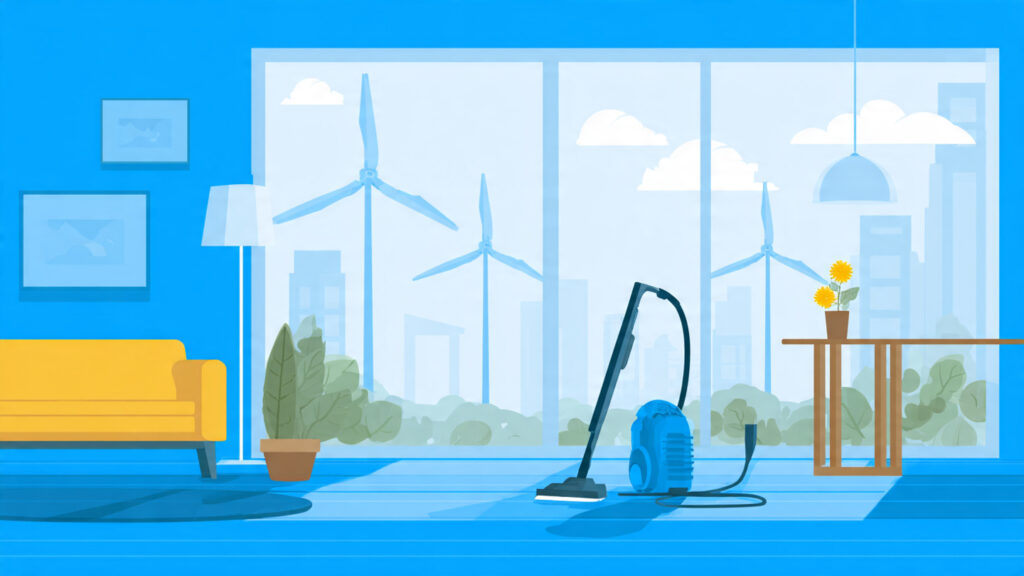
In today’s fast-paced world, cleaning our homes efficiently is a top priority—but doing it in an energy-conscious way is equally important. Reducing the energy consumed during cleaning not only lowers your electricity bills but also minimizes your environmental footprint. Fortunately, cutting cleaning energy consumption doesn’t require radical lifestyle changes. With a few smart strategies, you can maintain a sparkling home while saving both energy and money.
Why Energy-Efficient Cleaning Matters
Most people don’t realize just how much energy goes into cleaning. Appliances like washing machines, dishwashers, vacuum cleaners, and even steam mops consume electricity, while water heating for laundry and cleaning adds to energy use. Beyond cost savings, reducing energy consumption helps lower greenhouse gas emissions, contributing to a healthier planet.
By adopting energy-efficient cleaning practices, you achieve two goals simultaneously: a cleaner home and a cleaner environment. Small changes in your routine, combined with smarter appliance use, can dramatically reduce energy usage without compromising cleanliness.
Step 1: Optimize Your Washing Machine and Dishwasher
Your washing machine and dishwasher are among the largest energy users in your home cleaning routine. Here’s how to use them more efficiently:
- Full Loads Only: Running a half-empty washing machine or dishwasher wastes water and electricity. Wait until you have full loads to maximize efficiency.
- Lower Temperature Settings: Washing clothes at 30°C instead of 60°C significantly reduces electricity consumption. Most detergents work effectively at lower temperatures, especially for lightly soiled laundry.
- Eco or Energy-Saving Mode: Many modern appliances have eco modes that reduce water and energy use while maintaining cleaning performance.
- Air-Dry Dishes and Clothes: Skip the drying cycle on dishwashers if possible, and consider line-drying clothes. Air-drying uses zero electricity and is gentle on fabrics.
Implementing these steps can reduce energy usage by up to 50% in some households, making a noticeable difference on your electricity bill.
Step 2: Choose Energy-Efficient Cleaning Tools
Modern cleaning tools come with energy-saving designs. Consider upgrading to:
- High-efficiency vacuum cleaners: Look for models with strong suction but lower wattage. Bagless models also reduce waste.
- Steam mops: These use less water than traditional mopping and heat water efficiently to clean floors without chemical cleaners.
- Microfiber cloths: These allow for chemical-free cleaning of surfaces using minimal water, reducing both energy and chemical consumption.
By investing in the right tools, you cut down energy use and make cleaning faster and easier.
Step 3: Reduce Hot Water Usage
Hot water accounts for a significant portion of household energy use during cleaning. Small changes can lead to major savings:
- Cold-water laundry cycles: For lightly soiled clothes, cold water is just as effective when combined with the right detergent.
- Quick rinses: Limit the use of hot water for rinsing dishes or cleaning surfaces; lukewarm or cold water often works just as well.
- Insulate water heaters and pipes: Minimizing heat loss ensures less energy is wasted while heating water.
Reducing hot water usage not only lowers energy consumption but also extends the life of your appliances.
Step 4: Adopt Efficient Cleaning Routines
The order and frequency of your cleaning tasks can impact energy consumption. Consider these tips:
- Clean strategically: Dust and wipe surfaces before vacuuming or mopping to reduce multiple passes.
- Combine tasks: Doing multiple tasks in a single cleaning session minimizes repeated appliance use.
- Spot clean instead of full washes: Address spills and stains immediately to prevent the need for larger, energy-intensive cleaning sessions later.
An efficient routine ensures you spend less time and energy on cleaning without compromising results.
Step 5: Utilize Natural Light and Ventilation
Lighting and ventilation play a role in reducing energy use during cleaning:
- Daytime cleaning: Take advantage of natural light to avoid using electric lights.
- Ventilate naturally: Open windows instead of using fans or air conditioning to dry surfaces or eliminate odors.
Simple steps like these reduce electricity consumption while making your home feel fresh and airy.
Step 6: Maintain Appliances Regularly
Dirty or poorly maintained appliances consume more energy. Ensure your cleaning tools are in top condition by:
- Cleaning vacuum filters and dust compartments regularly.
- Descaling washing machines and dishwashers to maintain efficiency.
- Replacing worn-out parts like mop pads, brushes, and belts.
A well-maintained appliance runs more efficiently, consumes less electricity, and delivers better cleaning results.
➡️ How to Grow Malabar Spinach from Cuttings for Fast, Easy Greens
➡️ How to Grow Super Delicious Cabbage at Home Without a Garden
➡️ How to Grow Bean Sprouts at Home in Plastic Bottles Easily (Step‑by‑Step Guide)
➡️ Why is Your Lemon Tree Blooming in the Heart of Winter?
➡️ Why Should Your Garden Have a Dedicated Pollinator Highway?
➡️ Why Do Your Fruit Trees Need a Winter Wash to Thrive in Spring?
➡️ How Can Rice Water Transform Your Fruits into Sweeter Delights?
➡️ Jumpstart Your Winter Garden: Seed Starting Under Lights
Step 7: Embrace Minimalist Cleaning Products
Excessive cleaning products not only cost more but also often require more water to rinse off. Consider these energy-saving alternatives:
- Microfiber and reusable cloths: These reduce the need for chemical cleaners.
- Vinegar, baking soda, and lemon juice: Natural cleaners that are effective and eco-friendly.
- Multi-purpose products: Reduce the number of different products needed, saving time and energy.
By simplifying your cleaning products, you save energy, reduce waste, and maintain a healthier home environment.
Step 8: Consider Smart Cleaning Technology
Smart technology can optimize energy use:
- Programmable washing machines and dishwashers: Run during off-peak hours to reduce energy costs.
- Robotic vacuum cleaners: Schedule them to clean when you are away, optimizing time and energy usage.
- Smart plugs: Control cleaning devices remotely to ensure they run only when needed.
These innovations may require upfront investment but can deliver long-term energy savings and convenience.
Step 9: Air-Dry and Multi-Purpose Spaces
Wherever possible, reduce reliance on energy-intensive drying:
- Hang laundry outdoors or on balcony racks.
- Air-dry mop pads and cloths for repeated use.
- Repurpose areas like sunlit rooms to dry items naturally.
This approach not only saves energy but also reduces wear and tear on fabrics and cleaning equipment.
Step 10: Adopt a Mindset of Energy Awareness
Ultimately, reducing cleaning energy consumption comes down to mindfulness. Ask yourself:
- Do I really need to run a full load now, or can I wait until it’s full?
- Can this task be done with less water or lower heat?
- Are my tools and appliances optimized for energy efficiency?
Small conscious decisions, repeated over time, can significantly reduce your household energy footprint.
Conclusion: Cleaner Home, Lower Energy, Greater Impact
Cutting energy consumption during cleaning is simpler than it seems. By optimizing appliance use, reducing hot water dependence, adopting efficient routines, and leveraging natural solutions, you can maintain a sparkling home while being kind to the planet.
Energy-conscious cleaning doesn’t mean compromising cleanliness or comfort. With a few simple steps, you can enjoy a healthier, brighter home, save money on electricity bills, and contribute to a more sustainable future. Every action counts, and incorporating these strategies into your routine ensures that your home is not only clean but also energy-efficient.
Start today: adjust your appliance settings, plan your cleaning sessions strategically, and embrace smart tools and natural solutions. In doing so, you’ll discover that cutting cleaning energy consumption isn’t just good for the planet—it’s good for your home, your wallet, and your peace of mind.