Cleaning your home or workspace often feels like a never-ending chore. No matter how much effort you put in, it seems like dust, dirt, and clutter always return. Many people rely on traditional cleaning routines—vacuuming once a week, wiping surfaces sporadically, or tackling messes only when they become unbearable. But what if there were an overlooked rule that could make your cleaning not only faster but also more effective?
Yes, there is a simple principle that professional cleaners and productivity experts swear by, yet most of us ignore it: the rule of “Cleaning in Zones and Order.” Mastering this concept transforms your cleaning from a stressful task into an effortless, efficient routine. In this article, we’ll explore what this rule is, why it works, and how to implement it in your home or office for maximum results.
What Is the Overlooked Rule?
The overlooked rule is straightforward: clean in a logical sequence, focusing on zones or areas rather than random tasks. It’s about working smarter, not harder.
Instead of hopping from the living room to the kitchen to the bathroom in a haphazard manner, cleaning in zones ensures that you:
- Minimize repetitive effort.
- Reduce time spent retracing steps.
- Maintain momentum and focus.
- Achieve a sense of accomplishment as you finish each zone.
Think of it as a map. When you follow the map correctly, cleaning flows naturally, and you’ll notice less clutter coming back because your process addresses the root of mess accumulation.
Why Most Cleaning Efforts Fail
Many cleaning routines fail because people focus on tasks instead of areas. For example:
- They dust all surfaces, then vacuum, then mop—sometimes creating more mess as dust falls on freshly cleaned floors.
- They start in one room, get distracted, and leave half-done chores for later.
- They underestimate the importance of proper order, like cleaning dirty surfaces before the floors or wiping the kitchen counters after doing laundry.
This approach wastes energy, prolongs cleaning sessions, and often results in frustration. The overlooked rule of zones and order addresses this by combining planning, strategy, and habit formation into one system.
How to Apply the Rule: Step-by-Step
Step 1: Divide Your Space into Zones
Start by identifying zones in your home or workspace. A zone is any area that can be cleaned as a single unit without needing to move to another space constantly. Examples include:
- Living Room Zone: Sofa, coffee table, TV stand, shelves, and floor.
- Kitchen Zone: Countertops, sink, stove, fridge exterior, and floor.
- Bathroom Zone: Sink, toilet, shower, mirror, and floor.
- Bedroom Zone: Bed, nightstands, dresser, closet area, and floor.
Breaking your space into zones allows you to focus fully on one area at a time, reducing mental clutter and improving efficiency.
Step 2: Create a Logical Cleaning Order
Once zones are defined, plan the sequence within each zone. A simple method is top-to-bottom, left-to-right.
- Top-to-bottom: Dust or clean higher surfaces first, so dirt doesn’t fall on areas you’ve already cleaned. For example, dust shelves before vacuuming the floor.
- Left-to-right: Move consistently in one direction to avoid re-cleaning the same areas.
Example for a living room:
- Dust shelves and high surfaces.
- Wipe furniture and electronics.
- Clean decorative items and small objects.
- Vacuum or sweep the floor.
- Mop or spot-clean as needed.
This logical order ensures you never undo your efforts, which is a common mistake in chaotic cleaning routines.
Step 3: Prepare Your Tools and Supplies
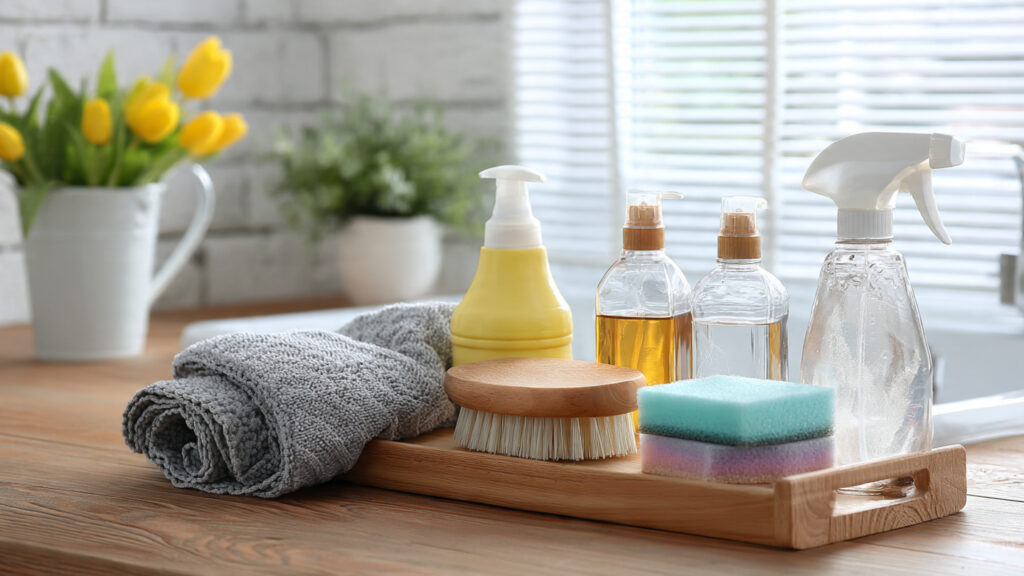
Effortless cleaning efficiency depends on having the right tools on hand before you start:
- Microfiber cloths for dusting and wiping surfaces.
- Multi-surface cleaners for counters, tables, and shelves.
- A vacuum cleaner or broom for floors.
- Mop or spray mop for tiled or wooden floors.
- Trash bags or bins for decluttering.
Keeping all supplies in a portable caddy allows you to move quickly from one zone to another without returning to the supply closet.
Step 4: Declutter Before Cleaning
Before scrubbing or dusting, remove unnecessary items from the zone. This step is often overlooked but is crucial for efficiency:
➡️ How to Grow Malabar Spinach from Cuttings for Fast, Easy Greens
➡️ How to Grow Super Delicious Cabbage at Home Without a Garden
➡️ How to Grow Bean Sprouts at Home in Plastic Bottles Easily (Step‑by‑Step Guide)
➡️ Why is Your Lemon Tree Blooming in the Heart of Winter?
➡️ Why Should Your Garden Have a Dedicated Pollinator Highway?
➡️ Why Do Your Fruit Trees Need a Winter Wash to Thrive in Spring?
➡️ How Can Rice Water Transform Your Fruits into Sweeter Delights?
➡️ Jumpstart Your Winter Garden: Seed Starting Under Lights
- Throw away trash.
- Return items to their proper place.
- Organize objects for easy access.
Decluttering first prevents interruptions mid-cleaning and allows surfaces to be thoroughly cleaned. As a bonus, decluttered spaces look cleaner immediately, providing motivation to continue.
Step 5: Set a Timer and Use Focused Intervals
Many people spend hours cleaning aimlessly. Instead, set a timer for each zone, such as 15–30 minutes, and focus only on that area.
- Use a timer to create a sense of urgency, reducing overthinking or perfectionism.
- Focused intervals prevent burnout and maintain momentum.
For example, if your living room is messy, set a 20-minute timer and complete all steps from dusting to floor cleaning before moving on. You’ll be amazed at how much can be accomplished in a short, concentrated period.
Step 6: Establish a Routine
Cleaning efficiency becomes effortless when it’s part of your weekly or daily routine:
- Light cleaning every day prevents major build-up.
- Assign zones to specific days. For example:
- Monday: Kitchen and dining area
- Wednesday: Bathroom and bedroom
- Friday: Living room and hallway
Consistency reduces the mental burden of cleaning and keeps your space in a perpetual state of order.
Bonus Tips for Maximum Efficiency
- Multitask Wisely
While waiting for a cleaning solution to work on a tough stain, tackle another nearby task in the same zone. - Use Vertical Storage
Shelves, hooks, and wall organizers reduce clutter and make cleaning faster. - Invest in Time-Saving Tools
Robotic vacuum cleaners or microfiber mops with spray mechanisms can drastically reduce effort without compromising results. - Involve Family Members
Assign zones to different family members for a team approach. Cleaning becomes faster and more fun when shared. - Maintain as You Go
Adopt small habits like wiping spills immediately or putting items away after use. Daily micro-actions prevent larger messes and save hours in the long run.
The Psychological Advantage
Cleaning in zones and proper order doesn’t just save time—it reduces stress. Many studies have shown that cluttered spaces increase anxiety and reduce productivity. When you master this overlooked rule, your home looks cleaner for longer, your mind feels clearer, and your cleaning tasks become manageable rather than overwhelming.
The sense of accomplishment from completing a full zone in a set time also boosts motivation. Instead of dreading cleaning day, you look forward to seeing tangible results, which reinforces the habit.
Common Mistakes to Avoid
Even with this rule, some people struggle with efficiency. Avoid these pitfalls:
- Skipping Decluttering: Cleaning a cluttered zone is always slower and less effective.
- Ignoring the Order: Dusting the floor before surfaces results in wasted effort.
- Using Wrong Tools: Using paper towels for dusting, for instance, can smear and slow you down.
- Overcomplicating the Routine: Keep it simple—focus on zones, order, and consistency.
Final Thoughts
The overlooked rule of cleaning in zones and following a logical order is a game-changer for effortless cleaning efficiency. By dividing your space into manageable sections, preparing your tools, decluttering, and maintaining a routine, you’ll find that cleaning becomes faster, easier, and even satisfying.
Efficient cleaning isn’t about working harder or longer—it’s about working smarter. Once you embrace this approach, your home stays cleaner, your stress decreases, and you reclaim precious time for the things that truly matter.
So the next time cleaning feels overwhelming, remember the overlooked rule: focus on zones, follow the logical sequence, and watch your efficiency soar.