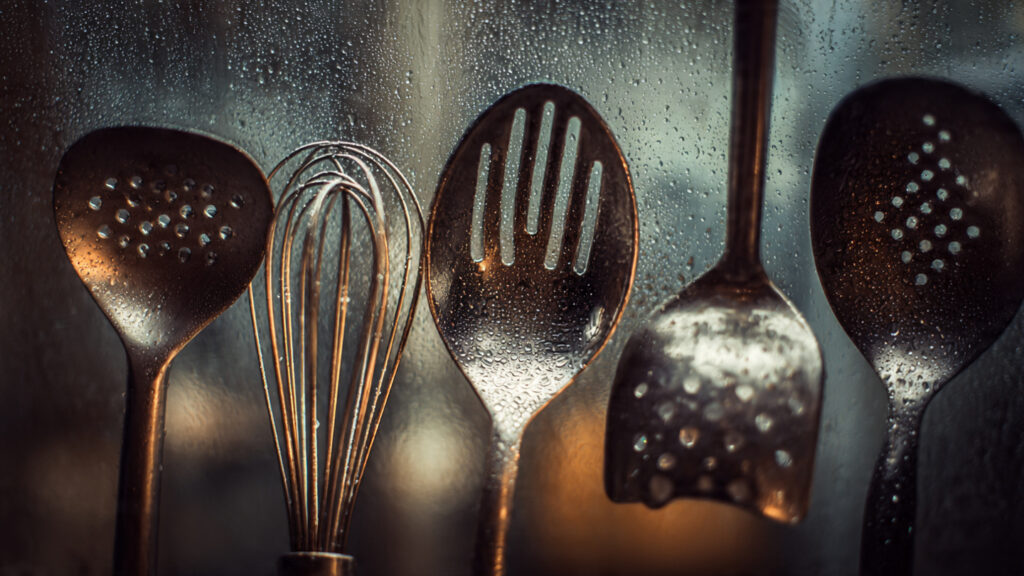
A clean and well-maintained kitchen is the foundation of healthy cooking and safe food practices. However, one factor often overlooked by home cooks and professional chefs alike is moisture. Prolonged exposure of cooking utensils to moisture can have significant impacts—not only on the lifespan of your tools but also on overall kitchen hygiene. Understanding these effects is critical to preventing contamination, reducing foodborne illnesses, and maintaining the quality of your cooking environment.
The Science Behind Moisture and Metal Utensils
Many cooking utensils, especially those made of metal such as stainless steel, aluminum, or cast iron, are vulnerable to water damage if exposed for extended periods. Moisture can trigger a variety of chemical and physical reactions:
- Rust Formation:
Iron-containing metals, like cast iron and some stainless steels, oxidize when exposed to water and oxygen. This rust not only weakens the utensil but can also flake into food, posing health risks. - Corrosion:
Even corrosion-resistant metals can degrade over time if moisture is consistently present. Salt, acidic foods, or detergent residues can accelerate this process, leading to pitting, discoloration, and surface roughness. - Weakened Structural Integrity:
Prolonged moisture can seep into handles, especially those made of wood or composite materials. Over time, these handles may swell, crack, or loosen from the metal components, creating safety hazards while cooking.
Understanding these reactions is key for preventing damage and extending the life of your kitchen tools.
Wooden Utensils and Moisture Damage
Wooden utensils, while popular for stirring, mixing, and sautéing, are highly susceptible to water-related damage. Moisture can penetrate the wood fibers, causing several issues:
- Swelling and Warping: Wood absorbs water, expanding in size. Repeated wetting and drying can distort the shape of spoons, spatulas, and cutting boards.
- Cracking and Splintering: As moisture evaporates unevenly, the wood can dry too quickly, leading to cracks and splinters that harbor bacteria.
- Fungal Growth: Persistent dampness creates an ideal environment for mold and mildew, which can not only damage utensils but also compromise food safety.
Proper care of wooden utensils—including thorough drying after washing and periodic oiling with food-safe mineral oil—helps maintain their durability and hygiene.
Plastic Utensils: Hidden Risks
Plastic utensils are often perceived as “waterproof,” but they are not immune to the effects of prolonged moisture:
- Microbial Growth: Plastic surfaces can develop microscopic scratches over time. When wet, these scratches can harbor bacteria, yeast, and mold, especially in crevices around handles or attachments.
- Odor Retention: Constant dampness can cause lingering smells, particularly if utensils are used with strong-smelling foods like garlic, onion, or spices.
- Deformation: Certain plastics, especially lower-quality ones, can warp or lose shape when repeatedly exposed to moisture and heat.
Using well-draining racks and ensuring complete drying can minimize these risks.
The Hygiene Perspective: Bacteria and Contamination
One of the most serious concerns regarding prolonged moisture is bacterial growth. Moist environments are ideal breeding grounds for common kitchen pathogens, such as:
- Salmonella: Often associated with raw eggs and poultry, it can survive on damp utensils if not properly cleaned and dried.
- E. coli: Found in raw meats and vegetables, it can linger in wet crevices and scratches, potentially contaminating food.
- Listeria: This bacterium thrives in moist environments, including sinks, cutting boards, and utensils, and can cause severe illness.
Even minor lapses in drying utensils can contribute to cross-contamination during food preparation. For example, a wet cutting board used for raw chicken and then vegetables without proper sanitation can spread harmful bacteria.
Effects on Kitchen Surfaces and Environment
Prolonged moisture on utensils does not only affect the tools themselves—it can impact the surrounding kitchen environment:
- Surface Mold and Mildew: Wet utensils left on countertops or in sinks can promote mold growth on surfaces and walls, compromising kitchen hygiene.
- Unpleasant Odors: Accumulation of moisture, combined with food residues, can lead to sour or musty odors, making your kitchen less pleasant to work in.
- Attraction of Pests: Damp areas can attract pests such as cockroaches and flies, which are vectors of foodborne illness.
Maintaining dry utensils is, therefore, an integral part of overall kitchen sanitation.
Preventing Moisture Damage: Best Practices
The good news is that most moisture-related issues can be easily prevented with simple habits and proper tools:
- Immediate Drying: After washing, dry utensils thoroughly with a clean cloth or paper towel. Avoid air-drying in environments with poor ventilation.
- Use of Dish Racks: Place utensils in well-ventilated racks that allow water to drain away quickly, preventing pooling at the base.
- Regular Sanitization: For wooden and plastic utensils, periodic sanitization using vinegar, mild bleach solutions, or boiling water can eliminate bacteria and fungi.
- Separate Storage: Keep dry utensils in cabinets or drawers with minimal humidity. Avoid storing metal tools directly above sinks where condensation is common.
- Oiling Wooden Utensils: Food-grade mineral oil or beeswax helps maintain moisture balance in wooden utensils, preventing cracking and bacterial infiltration.
Adopting these practices ensures your utensils remain safe, durable, and hygienic.
Choosing Materials for Longevity
Selecting the right materials can reduce susceptibility to moisture damage:
- Stainless Steel: Resistant to rust, durable, and easy to sanitize. Ideal for most kitchen tools.
- High-Quality Wood: Dense hardwoods like maple or teak are more resilient to water exposure than softwoods.
- Silicone: Flexible, heat-resistant, and less likely to harbor bacteria if cleaned properly.
- BPA-Free Plastic: Durable plastics with smooth surfaces reduce the risk of bacterial accumulation.
Material choice, combined with correct care, dramatically increases the longevity and safety of kitchen utensils.
➡️ How to Grow Malabar Spinach from Cuttings for Fast, Easy Greens
➡️ How to Grow Super Delicious Cabbage at Home Without a Garden
➡️ How to Grow Bean Sprouts at Home in Plastic Bottles Easily (Step‑by‑Step Guide)
➡️ Why is Your Lemon Tree Blooming in the Heart of Winter?
➡️ Why Should Your Garden Have a Dedicated Pollinator Highway?
➡️ Why Do Your Fruit Trees Need a Winter Wash to Thrive in Spring?
➡️ How Can Rice Water Transform Your Fruits into Sweeter Delights?
➡️ Jumpstart Your Winter Garden: Seed Starting Under Lights
Signs Your Utensils Are Compromised
It’s essential to regularly inspect kitchen tools for signs of moisture damage:
- Rust spots on metal utensils or pans
- Cracks, splinters, or rough surfaces on wooden items
- Warping or bending of plastic tools
- Foul or persistent odors despite cleaning
- Mold or mildew accumulation
If any of these signs are present, it may be safer to replace the utensils rather than risk contamination.
Beyond Utensils: Moisture in the Sink and Dishwashing Area
Prolonged moisture is not limited to utensils—it also affects sinks, dish racks, and surrounding areas:
- Standing Water: Residual water in sinks can harbor bacteria and mold.
- Poor Drainage: Clogged drains and improper slope in countertops lead to persistent dampness, affecting utensil hygiene.
- Inadequate Ventilation: Bathrooms or kitchens without proper airflow increase humidity, slowing the drying process for utensils.
Maintaining dry surroundings complements utensil care and reduces overall kitchen hygiene risks.
Conclusion
Prolonged moisture on cooking utensils is more than a minor inconvenience—it is a serious factor that can compromise kitchen hygiene, food safety, and the durability of your tools. Metal utensils can rust and corrode, wooden utensils may warp and harbor mold, and plastic tools can develop microbial hotspots and odors. These problems extend beyond the utensils themselves, affecting countertops, sinks, and the overall kitchen environment.
By understanding the effects of moisture and implementing simple practices—like immediate drying, proper storage, regular sanitization, and material selection—you can protect your cooking tools and maintain a clean, healthy kitchen. For home cooks and professional chefs alike, preventing moisture-related issues is an essential step toward safe, enjoyable, and successful cooking.
Remember, a dry kitchen is not just a clean kitchen—it’s a safe kitchen. With consistent attention to moisture management, your utensils will last longer, your food will be safer, and your kitchen environment will remain hygienic for years to come.