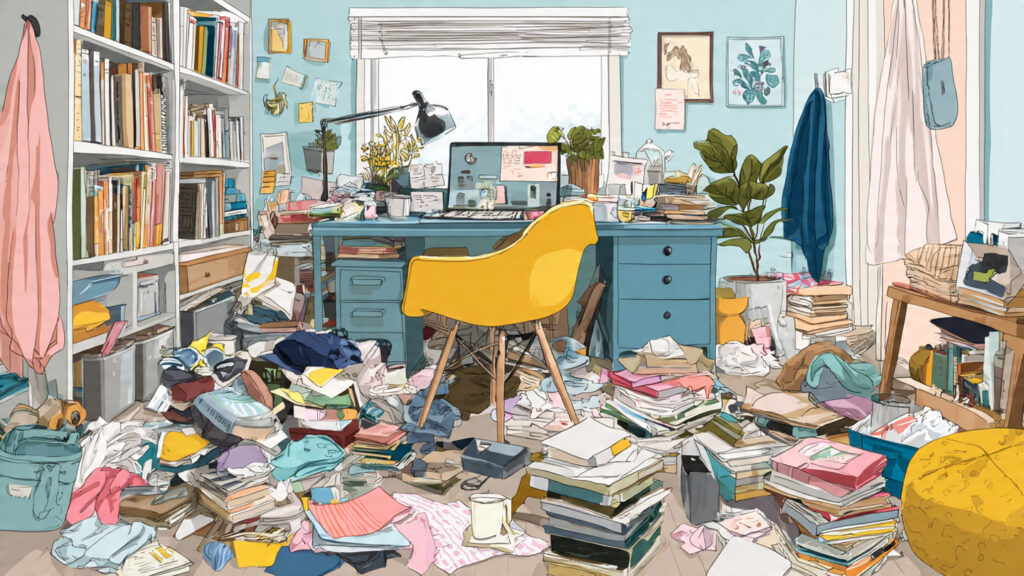
In today’s fast-paced world, many homes experience a constant ebb and flow of clutter. Items pile up, spaces feel crowded, and even simple daily routines become stressful. This cycle of clutter and chaos is especially common in busy households, where work, school, and extracurricular activities leave little time for organization. Understanding the causes, consequences, and strategies to break this cycle is essential for creating a peaceful, functional home environment.
Understanding the Cycle of Clutter
Clutter rarely happens overnight. It’s often the result of a combination of habits, lifestyle demands, and emotional factors. In busy homes, clutter tends to follow a predictable cycle:
- Accumulation – Items accumulate quickly due to shopping habits, paper clutter, kids’ toys, and unfinished tasks.
- Overwhelm – The amount of stuff exceeds the available space, making it difficult to maintain order.
- Avoidance – Feeling overwhelmed leads to procrastination, leaving clutter unattended.
- Chaos – Spaces become chaotic, increasing stress and reducing efficiency in daily routines.
- Temporary Fixes – Tidying up or shoving items into closets only provides short-term relief, and the cycle starts over again.
This recurring loop often creates frustration and stress for family members, making home life feel hectic and exhausting.
Why Busy Homes Are More Susceptible
Several factors make busy homes more prone to clutter:
- Time Constraints – Families juggling work, school, and social obligations often lack the time for regular cleaning and organization.
- Multiple Occupants – More people mean more belongings, and coordinating organization becomes more challenging.
- Lack of Designated Spaces – When items don’t have specific homes, they tend to pile up on counters, tables, or floors.
- Emotional Attachments – Sentimental items, gifts, and memorabilia can be hard to let go of, even when they are no longer useful.
- Digital Clutter – Beyond physical items, digital clutter like emails, messages, and devices contributes to mental chaos.
Understanding these contributing factors is the first step in addressing the cycle effectively.
The Hidden Costs of Clutter
Clutter doesn’t just make your home look messy—it has tangible effects on mental, emotional, and even physical well-being:
- Stress and Anxiety – Studies show that cluttered environments increase cortisol levels, the stress hormone, which can negatively affect mood and productivity.
- Reduced Productivity – Clutter makes it harder to locate items, wasting time and increasing frustration.
- Impact on Health – Excess clutter can harbor dust, allergens, and mold, affecting air quality and respiratory health.
- Strained Relationships – Conflicts often arise in families over shared spaces, leading to tension and arguments.
- Financial Impact – Impulse purchases or duplicate items bought because the original was lost in the clutter cycle can add up.
Recognizing these costs helps motivate households to take meaningful steps to break the cycle.
Identifying Your Clutter Patterns
Before tackling clutter, it’s important to understand your household’s unique patterns:
- Hotspots – Common areas where clutter accumulates, such as kitchen counters, entryways, and living rooms.
- Trigger Situations – Events that lead to clutter buildup, like school mornings, work deadlines, or hosting guests.
- Behavioral Habits – Assess how each family member contributes to clutter—leaving items out, procrastinating cleaning, or overbuying.
- Emotional Attachments – Identify items kept out of guilt, nostalgia, or obligation.
A clear understanding of these patterns allows for targeted solutions rather than generalized efforts that may not last.
Breaking the Cycle: Strategies for Busy Homes
While clutter can feel overwhelming, breaking the cycle is achievable with consistent strategies:
1. Declutter Regularly
Set aside short, regular periods for decluttering. Even 10–15 minutes daily can prevent small piles from turning into large messes. Focus on high-traffic areas first.
2. Adopt the “One In, One Out” Rule
For every new item brought into the home, consider removing one existing item. This helps maintain balance and prevents accumulation.
3. Create Designated Spaces
Every item should have a home. Bins, shelves, and labeled storage make it easy to put items away and reduce the temptation to leave them lying around.
4. Implement a Daily Reset
Encourage family members to take a few minutes each evening to return items to their designated spaces. This small habit can prevent clutter from escalating.
5. Prioritize High-Impact Areas
Focus on areas that influence your daily life the most—kitchen counters, desks, and entryways. Keeping these spaces organized creates a sense of control and order.
➡️ How to Grow Malabar Spinach from Cuttings for Fast, Easy Greens
➡️ How to Grow Super Delicious Cabbage at Home Without a Garden
➡️ How to Grow Bean Sprouts at Home in Plastic Bottles Easily (Step‑by‑Step Guide)
➡️ Why is Your Lemon Tree Blooming in the Heart of Winter?
➡️ Why Should Your Garden Have a Dedicated Pollinator Highway?
➡️ Why Do Your Fruit Trees Need a Winter Wash to Thrive in Spring?
➡️ How Can Rice Water Transform Your Fruits into Sweeter Delights?
➡️ Jumpstart Your Winter Garden: Seed Starting Under Lights
6. Use Vertical and Hidden Storage
Vertical shelving, hooks, and under-bed storage maximize space in small or busy homes. Hidden storage reduces visual clutter, making the home feel calmer.
7. Limit Sentimental Accumulation
Designate a box for sentimental items, but avoid keeping everything. Take photos of items with strong memories and store them digitally. This preserves the memory without adding clutter.
8. Involve the Whole Household
Make organization a team effort. Assign age-appropriate tasks to children and involve adults in maintaining common spaces. Clear responsibilities reduce the burden on any one person.
Mindset Shifts to Sustain Organization
Breaking the clutter-chaos cycle is as much about mindset as it is about physical organization:
- Embrace Minimalism – Focus on keeping items that are functional or truly bring joy.
- Let Go of Perfection – A slightly imperfect system that is maintained is better than a perfect system that collapses.
- Value Time Over Things – Prioritize activities and experiences over accumulating possessions.
- Build Habits Gradually – Small, consistent actions are more sustainable than massive one-time cleanouts.
By adopting these mental shifts, households can maintain long-term order and reduce stress.
Benefits of a Clutter-Free Home
When the cycle of clutter and chaos is interrupted, the benefits are significant:
- Calmer Environment – A tidy home reduces stress and promotes mental clarity.
- Improved Productivity – Finding items quickly frees time for work, hobbies, and family.
- Healthier Living Spaces – Less dust and allergens improve air quality and overall health.
- Better Relationships – Reduced conflicts over mess leads to more harmonious family life.
- Enhanced Focus on Priorities – With clutter out of the way, attention can be placed on meaningful activities.
A home free from constant clutter feels more spacious, welcoming, and manageable—transforming the overall quality of life.
Tools and Resources to Support Organization
Busy homes benefit from practical tools and resources:
- Storage Solutions – Bins, baskets, drawer dividers, and closet organizers.
- Labeling Systems – Clear labels help everyone know where items belong.
- Digital Organization Apps – Keep track of tasks, schedules, and inventory digitally.
- Decluttering Guides – Books or online resources provide structured approaches to sorting possessions.
- Professional Organizers – Hiring a professional can kickstart organization for particularly cluttered homes.
Using these tools can make organization less overwhelming and more consistent.
Conclusion
The cycle of clutter and chaos in busy homes is common but not inevitable. It stems from accumulation, overwhelm, and avoidance, but with awareness and proactive strategies, it can be broken. Regular decluttering, designated storage, mindful habits, and involving the household in upkeep all contribute to a calmer, more functional home environment.
The key takeaway is that clutter isn’t just a matter of aesthetics—it affects mental health, productivity, and relationships. By addressing both the physical mess and the underlying habits, busy families can create a home that supports rather than hinders daily life.
Breaking the cycle doesn’t require perfection; it requires consistency, awareness, and small, manageable actions. Start today, even with one room or one habit, and you’ll begin to see the transformation from chaos to calm. A well-organized home is not just a space—it’s a foundation for a healthier, happier life.