In today’s busy world, it’s easy for clutter and mess to accumulate unnoticed. One day your home or workspace is tidy, and the next, it’s a chaotic jumble of dishes, papers, laundry, and dust. While occasional deep cleaning is important, daily cleaning habits are the real secret to preventing mess from taking over. Consistency is key — small, intentional actions every day can save hours of stress later and create a calm, organized environment. In this guide, we’ll explore practical daily cleaning habits that prevent mess growth and make your space easier to maintain.
Why Daily Cleaning Matters
Daily cleaning isn’t about perfection; it’s about maintaining control over your environment before clutter escalates. Here’s why adopting simple habits is so effective:
- Prevents overwhelm: Regular small tasks prevent mess from becoming unmanageable.
- Promotes hygiene: Daily wiping, sweeping, and tidying reduce dust, germs, and allergens.
- Saves time: Short, consistent cleaning routines take far less time than infrequent deep cleans.
- Reduces stress: A clean, organized space has been shown to improve focus and mental well-being.
- Encourages mindfulness: Daily upkeep fosters awareness of your surroundings and instills a sense of responsibility.
By addressing mess daily, you’re not just cleaning surfaces — you’re building a lifestyle of order and efficiency.
Start with a Morning Routine
The day’s first hours are perfect for small, quick cleaning tasks. Incorporate these habits into your morning routine:
- Make your bed – A simple habit that immediately makes the room look tidy.
- Clear countertops – Wipe bathroom and kitchen surfaces after use.
- Put things back in place – Hang towels, put clothes in the laundry basket, and return items to their designated spots.
- Quick dusting – Use a microfiber cloth to remove visible dust from high-traffic areas.
Starting your day with these small actions prevents mess from accumulating throughout the day.
Tidy as You Go
One of the most effective strategies for preventing mess growth is tidying as you go. This principle applies to nearly every area of your home:
- Kitchen: Wash dishes or load the dishwasher immediately after use, wipe spills, and put ingredients away while cooking.
- Living room: Return books, remote controls, and toys to their places after use.
- Bedroom: Put clothes in drawers or laundry baskets instead of leaving them on the floor.
- Workspace: Organize papers, notebooks, and office supplies at the end of each task or meeting.
The key is to avoid postponing small tasks. When done immediately, clutter never has a chance to grow.
Create Cleaning Zones
Dividing your home into zones makes daily cleaning more manageable. Assign specific tasks to each zone and rotate them throughout the week:
- Kitchen zone – Daily wipe-downs, dishwashing, and countertop organization.
- Bathroom zone – Wipe sinks, mirrors, and counters; replace towels if needed.
- Living room zone – Dust surfaces, tidy cushions, and vacuum high-traffic areas.
- Bedroom zone – Make beds, put away clothes, and vacuum floors.
- Entryway zone – Sweep or mop floors and organize shoes and coats.
By focusing on one or two zones daily, you maintain a clean home without feeling overwhelmed.
Establish Evening Cleaning Habits
Evening routines help prevent mess from piling up overnight:
- Clear kitchen surfaces – Wash dishes, wipe counters, and remove trash.
- Laundry check – Put away dry clothes or move laundry to a clean, designated area.
- Tidy living areas – Straighten pillows, fold blankets, and remove items that don’t belong.
- Quick sweep or vacuum – Focus on areas with the most foot traffic to prevent debris accumulation.
These evening habits ensure you wake up to a tidy, inviting space, ready for a productive day.
Maintain Minimal Clutter
Daily cleaning is easier when clutter is minimized. Adopt habits that reduce unnecessary items:
- One-in, one-out rule – When bringing a new item home, donate or discard one old item.
- Organize storage – Use baskets, bins, and drawer dividers to keep items in their places.
- Limit countertop items – Keep only essentials on counters; store the rest.
- Digital declutter – Organize digital files and emails daily to prevent virtual mess from overwhelming your workflow.
Minimal clutter not only looks better but also makes cleaning faster and more effective.
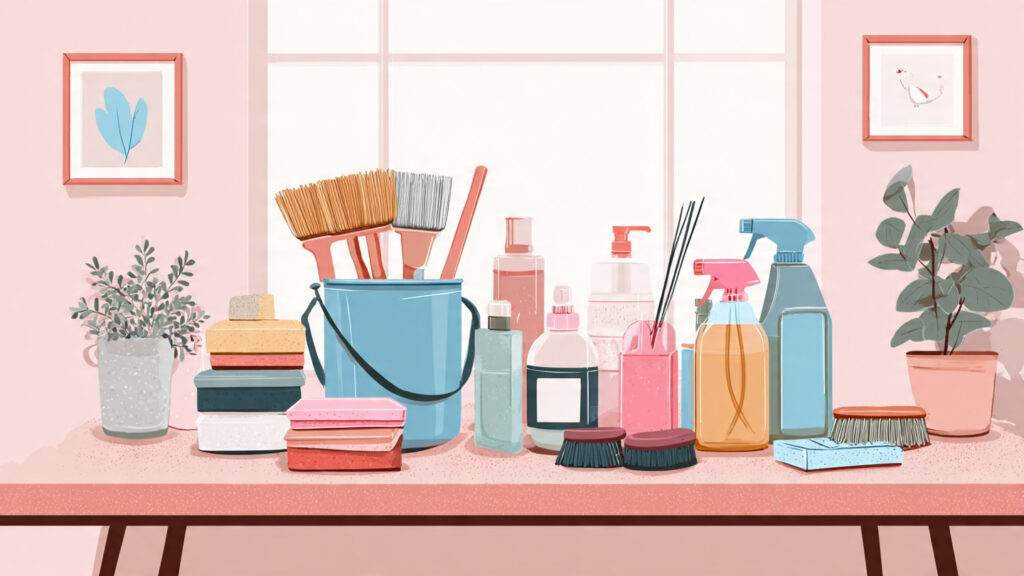
Use the Right Tools for Daily Cleaning
Having the right tools on hand makes daily habits easier and more effective:
- Microfiber cloths – Ideal for dusting and wiping surfaces quickly.
- All-purpose cleaner – Simplifies surface cleaning in every room.
- Handheld vacuum – Perfect for quick floor cleanup in small spaces.
- Trash and recycling bins – Place them conveniently to encourage immediate disposal of waste.
- Laundry baskets – Keep one in every bedroom to collect dirty clothes.
When tools are accessible, you’re more likely to follow through with daily cleaning habits.
➡️ How to Grow Malabar Spinach from Cuttings for Fast, Easy Greens
➡️ How to Grow Super Delicious Cabbage at Home Without a Garden
➡️ How to Grow Bean Sprouts at Home in Plastic Bottles Easily (Step‑by‑Step Guide)
➡️ Why is Your Lemon Tree Blooming in the Heart of Winter?
➡️ Why Should Your Garden Have a Dedicated Pollinator Highway?
➡️ Why Do Your Fruit Trees Need a Winter Wash to Thrive in Spring?
➡️ How Can Rice Water Transform Your Fruits into Sweeter Delights?
➡️ Jumpstart Your Winter Garden: Seed Starting Under Lights
Quick Cleaning Habits That Make a Big Difference
Some daily habits have an outsized effect on preventing mess growth:
- Wipe spills immediately – Prevents sticky surfaces and stains.
- Make small piles neat – Sort mail, papers, or magazines before they become cluttered stacks.
- Clean one surface per day – Even wiping one countertop or table daily prevents dirt from accumulating.
- Organize shoes and bags – Entryways are hotspots for clutter; tidying them daily keeps mess at bay.
- Check high-traffic areas – Floors, tables, and counters should be cleared and wiped regularly.
Consistency, rather than intensity, is what prevents mess from taking over.
Involve Everyone in the Household
Daily cleaning is easier when everyone contributes. Encourage family members or roommates to adopt shared responsibilities:
- Assign zones or tasks to each person.
- Make tidying up a part of the routine, such as before meals or bedtime.
- Use positive reinforcement to encourage consistency.
- Lead by example — when one person maintains daily habits, others are more likely to follow.
Team effort reduces individual burden and keeps the home consistently organized.
Benefits of Daily Cleaning Habits
The advantages of adopting daily cleaning routines extend beyond physical tidiness:
- Better mental health – Cluttered spaces can increase stress and anxiety; a clean home promotes calmness.
- Increased productivity – Organized spaces allow you to focus on tasks without distraction.
- Long-term maintenance – Small daily tasks prevent the need for exhausting deep cleans.
- Improved hygiene – Regular wiping, sweeping, and washing reduce germs and allergens.
- Enhanced aesthetic appeal – A clean, organized home is welcoming for family and guests alike.
Daily habits are an investment in your comfort, efficiency, and well-being.
Making Daily Cleaning Sustainable
The key to maintaining daily cleaning habits is making them practical and achievable:
- Set a timer – Spend 10–15 minutes each day cleaning; small, consistent efforts are more sustainable than long sessions.
- Incorporate into routines – Tie cleaning tasks to existing habits, like wiping counters after breakfast or putting laundry in the basket before bed.
- Use checklists – A simple checklist can help track tasks and motivate you to complete them daily.
- Focus on high-impact areas – Prioritize spaces where mess accumulates quickly, like the kitchen, living room, and entryway.
By making daily cleaning a routine rather than a chore, it becomes effortless and automatic.
Conclusion
Preventing mess growth doesn’t require hours of daily labor or perfection. Small, consistent cleaning habits — tidying as you go, maintaining minimal clutter, and establishing morning and evening routines — can make a massive difference. Dividing your home into zones, using the right tools, and involving everyone in your household ensures that mess never gets out of hand.
Daily cleaning creates a clean, organized, and stress-free environment, saving time, effort, and energy in the long run. It transforms your space into a welcoming, functional, and healthy place to live. By adopting these habits, you not only prevent clutter and mess but also cultivate a sense of discipline, mindfulness, and well-being that impacts every aspect of your life.
Start small, stay consistent, and watch how daily cleaning habits transform your home — and your life. A tidy environment isn’t just aesthetically pleasing; it’s a foundation for productivity, happiness, and peace of mind.