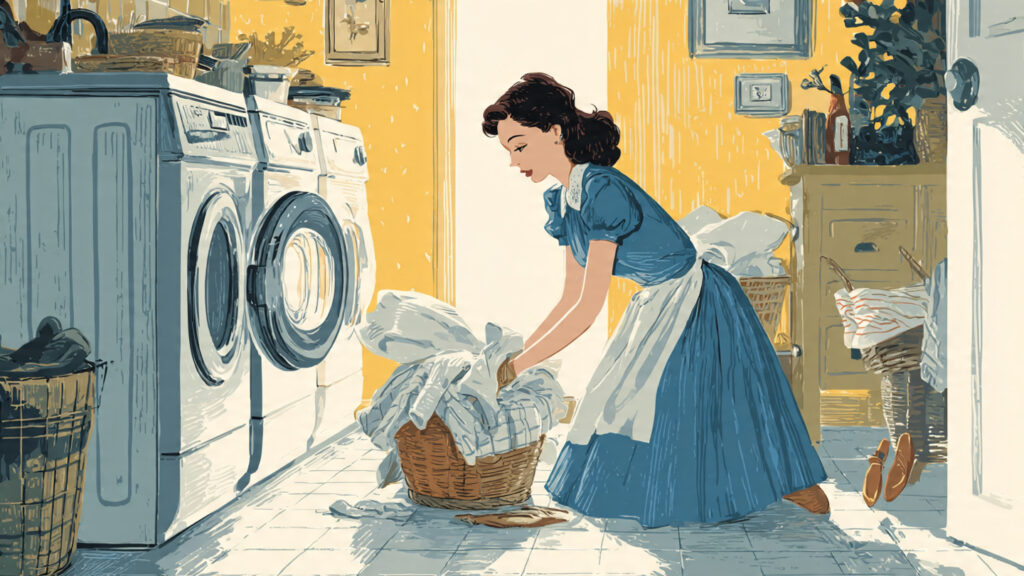
Household chores have always been a part of daily life, but for many, they seem more burdensome than ever. From washing dishes and doing laundry to cooking and cleaning, the simple tasks that once felt manageable now feel overwhelming. Understanding why chores feel heavier today requires exploring lifestyle changes, psychological factors, and modern-day pressures that shape our perception of domestic work.
In this guide, we’ll examine the reasons why household chores seem more taxing than before and offer insights into how to manage them more effectively.
1. Lifestyle Changes and Increased Responsibilities
One major reason chores feel more burdensome is the sheer increase in responsibilities many households face today. Unlike previous generations, most adults now balance multiple roles:
- Work-from-home arrangements: Many people are now juggling professional duties alongside domestic responsibilities, blurring the line between personal time and household chores.
- Dual-income households: With both partners working, managing a home can become a shared stress point rather than a singular task.
- Children and pets: More families have busy schedules with children’s schooling, extracurricular activities, and caring for pets, increasing the daily workload.
These overlapping responsibilities make even simple chores feel like another full-time job. When you’re constantly switching between roles, the perception of chores shifts from routine tasks to ongoing obligations.
2. Psychological Factors: Stress and Mental Load
Household chores don’t just demand physical effort—they carry a mental and emotional load that can make them feel overwhelming. Psychologists refer to this as the “mental load”, which involves the cognitive work of remembering, planning, and organizing chores.
How mental load affects perception:
- Planning and organization: Deciding what to clean, when to grocery shop, and how to divide tasks consumes mental energy.
- Invisible labor: Tasks like remembering birthdays, restocking household items, or coordinating family schedules often go unnoticed but contribute to stress.
- Guilt and perfectionism: People often feel that chores must be done perfectly, amplifying the pressure and making tasks feel more burdensome.
Even when the physical effort is small, the constant mental tracking of household responsibilities can lead to fatigue and dissatisfaction.
3. Modern Technology and Its Double-Edged Sword
Technology has transformed our homes and lives, but it has a paradoxical effect on chores. While appliances and smart devices make certain tasks faster, they can also create new expectations and pressures.
Examples include:
- High expectations: Modern homes are equipped with tools to make chores easier, but this can raise standards, leading to a sense of failure if tasks aren’t completed efficiently.
- Continuous monitoring: Smart devices and apps may remind you of chores, but they also increase mental pressure by constantly signaling incomplete tasks.
- Time compression: Faster appliances lead to a faster-paced lifestyle, reducing downtime and making chores feel like relentless obligations.
Technology hasn’t necessarily reduced the burden of chores—it’s reshaped the way we perceive them, making us more aware of what’s left undone.
4. Societal Pressure and Changing Norms
Cultural and social expectations play a significant role in how we view household work. In many societies, chores are still gendered responsibilities, and these expectations can exacerbate feelings of burden.
Influencing factors include:
- Social media comparisons: Seeing images of pristine homes online can create unrealistic standards, making normal chores feel insufficient or stressful.
- Expectations of hospitality: Hosting gatherings, maintaining appearances, and keeping the home “Instagram-ready” adds layers to routine tasks.
- Division of labor: Despite progress toward equality, many households still have unequal distribution of chores, often leading to resentment or exhaustion for the primary contributor.
Societal pressures can amplify the mental and emotional burden of household chores, making them feel more daunting than before.
5. Increased Awareness of Cleanliness and Hygiene
Global events, such as the COVID-19 pandemic, have heightened awareness of hygiene and cleanliness, adding new chores and increasing existing workloads.
Impact on household chores:
➡️ How to Grow Malabar Spinach from Cuttings for Fast, Easy Greens
➡️ How to Grow Super Delicious Cabbage at Home Without a Garden
➡️ How to Grow Bean Sprouts at Home in Plastic Bottles Easily (Step‑by‑Step Guide)
➡️ Why is Your Lemon Tree Blooming in the Heart of Winter?
➡️ Why Should Your Garden Have a Dedicated Pollinator Highway?
➡️ Why Do Your Fruit Trees Need a Winter Wash to Thrive in Spring?
➡️ How Can Rice Water Transform Your Fruits into Sweeter Delights?
➡️ Jumpstart Your Winter Garden: Seed Starting Under Lights
- More frequent cleaning: Regular disinfection, sanitizing surfaces, and laundry for health purposes increase the number of daily tasks.
- Heightened anxiety: Concerns about germs and viruses can make chores feel more urgent and stressful.
- Perception of necessity: Tasks that were once optional, like wiping down grocery items or sterilizing surfaces, have become standard expectations.
While these measures promote safety, they also contribute to the perception that household work is never-ending.
6. Lack of Help and Support
One of the biggest reasons chores feel more burdensome is simply lack of support. When household responsibilities are not shared equitably, the load falls disproportionately on one individual, often leading to burnout.
Signs of insufficient support include:
- Feeling that no one appreciates or acknowledges your efforts.
- Handling multiple tasks simultaneously without delegation.
- Regularly sacrificing personal time to keep up with household demands.
Shared responsibility not only reduces the physical and mental load but also improves family relationships and reduces resentment toward chores.
7. Time Scarcity and Overcommitment
Modern lifestyles are busier than ever. With work deadlines, social obligations, and personal goals, there’s limited time to devote to household tasks. This time scarcity contributes to the feeling that chores are heavier than they should be.
Effects of overcommitment:
- Chores compete with personal relaxation and social activities, making them feel like a burden rather than a routine.
- Rushed completion can lead to dissatisfaction with the results, increasing frustration.
- Constantly juggling multiple priorities creates mental fatigue, making even simple tasks feel like significant challenges.
When every hour of the day feels scheduled, chores become another source of stress rather than a manageable routine.
Strategies to Make Household Chores Feel Easier
Understanding why chores feel burdensome is the first step; implementing strategies can help reduce stress and increase efficiency:
- Prioritize and plan: Use weekly schedules to break down chores into manageable chunks rather than trying to complete everything in one day.
- Delegate responsibilities: Share tasks among family members, roommates, or even consider professional help for intensive cleaning.
- Simplify routines: Declutter your home to reduce the number of items to clean or organize. Minimalism can reduce workload.
- Use technology wisely: Appliances should save time, not add pressure. Choose tools that genuinely reduce effort rather than increase expectations.
- Set realistic standards: Accept that homes don’t need to be perfect to be functional. Focus on cleanliness that maintains hygiene rather than perfection.
- Combine tasks with leisure: Listen to music, podcasts, or audiobooks while doing chores to make them more enjoyable.
- Mindful approach: Treat chores as short breaks from work, an opportunity to move physically, or a way to practice mindfulness, reducing mental fatigue.
Implementing these strategies can transform chores from a burden into manageable, even satisfying, tasks.
Final Thoughts
Household chores seem more burdensome than before due to a combination of lifestyle changes, mental load, societal pressures, and modern expectations. While the physical act of cleaning, cooking, and organizing remains similar, the mental and emotional dimensions of domestic work have intensified.
By acknowledging these factors and applying thoughtful strategies—such as sharing responsibilities, prioritizing tasks, and embracing realistic standards—household chores can become less overwhelming and more manageable. Ultimately, understanding the reasons behind this perceived burden empowers individuals and families to approach domestic life with greater efficiency, balance, and satisfaction.
Remember, chores are a part of life, but they don’t have to dominate it. With awareness and planning, it’s possible to reduce stress, reclaim personal time, and even find enjoyment in keeping your home functional and welcoming.