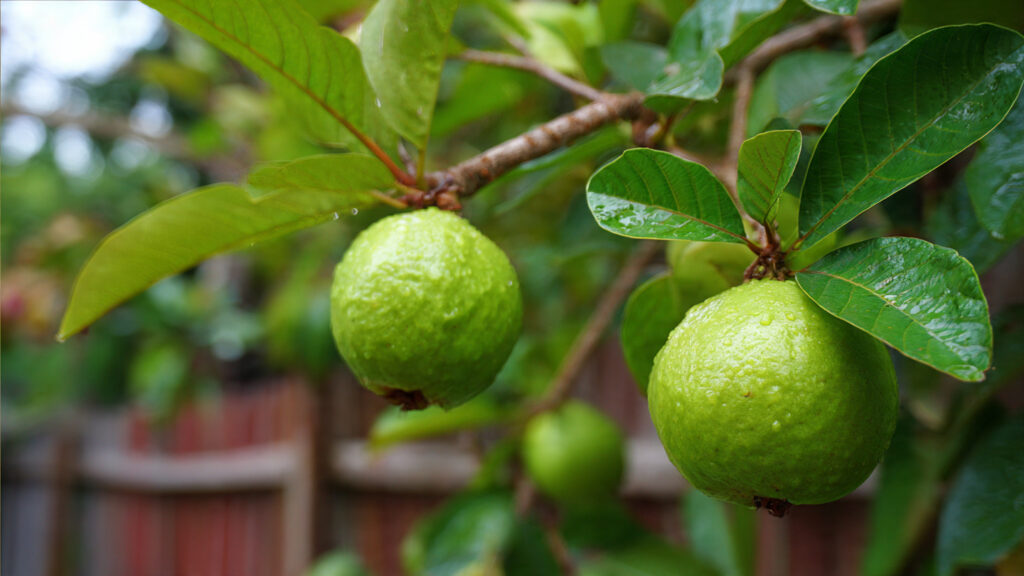
Guava is one of the most rewarding fruit trees you can grow at home. Whether planted in the ground or in containers, a healthy guava tree can produce abundant, fragrant fruits packed with vitamin C and antioxidants. However, many gardeners struggle with small fruits, delayed harvests, or inconsistent yields.
The secret to harvesting guavas faster and bigger lies in two powerful techniques: smart pruning and strategic nutrition management. When applied correctly, these methods stimulate stronger branching, improve flower formation, and channel the plant’s energy into producing larger, sweeter fruits.
In this comprehensive guide, you’ll learn exactly how to transform your guava tree using proven pruning and feeding strategies that deliver visible results.
Understanding How Guava Produces Fruit
Before applying any technique, it’s important to understand how guava trees grow and fruit.
Guava trees, particularly varieties of Psidium guajava, produce flowers and fruits on new growth. This means that fresh shoots emerging from recently pruned branches are the most productive.
If your tree is full of old, woody branches, it may look healthy but produce fewer or smaller fruits. The goal is to encourage controlled new growth while maintaining a balanced structure.
Why Many Guava Trees Produce Small Fruits
Several common mistakes lead to poor fruit size:
- Lack of pruning
- Excess nitrogen fertilizer
- Poor sunlight exposure
- Overcrowded canopy
- Nutrient imbalance
When a tree has too many branches, energy gets divided among numerous growing points. This results in smaller fruits and slower ripening.
The solution? Strategic pruning combined with targeted nutrition.
Part 1: Smart Pruning Technique for Bigger and Faster Guava Harvest
Pruning is not about randomly cutting branches. It’s about directing energy.
Step 1: Timing Is Everything
The best time to prune guava is:
- After harvest
- Early spring before active growth
- Light pruning during monsoon in tropical regions
Avoid heavy pruning during flowering.
Step 2: Remove Weak and Old Wood
Start by removing:
- Dead branches
- Crossing branches
- Thin, weak shoots
- Inward-growing stems
This improves airflow and sunlight penetration.
Sunlight is critical. More light equals more flower buds and better fruit development.
➡️ How to Grow Malabar Spinach from Cuttings for Fast, Easy Greens
➡️ How to Grow Super Delicious Cabbage at Home Without a Garden
➡️ How to Grow Bean Sprouts at Home in Plastic Bottles Easily (Step‑by‑Step Guide)
➡️ Why is Your Lemon Tree Blooming in the Heart of Winter?
➡️ Why Should Your Garden Have a Dedicated Pollinator Highway?
➡️ Why Do Your Fruit Trees Need a Winter Wash to Thrive in Spring?
➡️ How Can Rice Water Transform Your Fruits into Sweeter Delights?
➡️ Jumpstart Your Winter Garden: Seed Starting Under Lights
Step 3: Heading Back for Strong New Growth
This is where the magic happens.
Cut back long branches by about 20–30% of their length. Always cut just above a node (leaf joint). This encourages lateral branching.
More lateral branches = more flowering sites.
After 2–3 weeks, you’ll notice fresh shoots emerging from cut points. These shoots are the future fruit-bearing branches.
Step 4: Maintain an Open-Center Structure
Shape the tree like a bowl:
- Keep 3–5 main scaffold branches
- Remove overcrowded interior growth
- Maintain height at 6–8 feet for easy harvesting
An open canopy ensures:
- Better air circulation
- Reduced fungal issues
- Larger fruit development
Step 5: Fruit Thinning for Size Boost
If your tree sets too many fruits, thin them out.
Remove smaller, crowded fruits and keep stronger ones spaced about 4–6 inches apart.
This allows the tree to channel energy into fewer fruits, increasing their size and sweetness.
Part 2: Smart Nutrition Method for Faster and Bigger Fruits
Pruning stimulates growth, but nutrition fuels it.
Guava trees require balanced nutrients—not just nitrogen.
Understanding the Nutrient Balance
Nitrogen (N)
Promotes leafy growth. Too much nitrogen causes excessive foliage and fewer fruits.
Phosphorus (P)
Encourages root and flower development.
Potassium (K)
Essential for fruit size, sweetness, and firmness.
For bigger fruits, potassium is the key nutrient.
The Ideal Fertilizer Strategy
1. Pre-Flowering Boost
After pruning, apply:
- Compost or well-rotted manure
- Balanced NPK fertilizer (like 10-10-10)
This helps initiate strong new growth.
2. Flowering Stage
Reduce nitrogen and increase phosphorus and potassium.
Use fertilizers such as:
- 5-10-10
- Organic banana peel compost (rich in potassium)
- Wood ash in small quantities
This promotes better flower retention and fruit setting.
3. Fruit Development Stage
Increase potassium further.
Potassium helps:
- Increase fruit size
- Improve sugar content
- Enhance skin thickness
- Reduce fruit drop
Apply potassium-rich organic feeds every 3–4 weeks during fruiting.
Micronutrients Matter Too
Guava trees also benefit from:
- Magnesium
- Zinc
- Iron
If leaves show yellowing with green veins, it may indicate micronutrient deficiency.
Use foliar sprays containing micronutrients once every 30–45 days.
Water Management: The Hidden Growth Booster
Watering plays a crucial role in fruit size.
- Keep soil consistently moist during fruit development.
- Avoid overwatering.
- Slightly reduce watering 1–2 weeks before harvest to increase sweetness.
Irregular watering can cause fruit cracking or drop.
Container vs Ground-Grown Guavas
Both can benefit from this smart method.
For Container Plants:
- Use large pots (at least 18–24 inches wide).
- Refresh topsoil every 6 months.
- Fertilize more frequently since nutrients leach out faster.
Dwarf varieties respond especially well to structured pruning.
For Ground Trees:
- Deep watering encourages strong root systems.
- Add compost around the drip line.
- Mulch to retain moisture and improve soil health.
The 60-Day Acceleration Method
Many gardeners report faster fruiting by following this cycle:
- Moderate pruning
- Balanced feeding
- Potassium boost after flowering
- Controlled irrigation
Within 45–60 days, you’ll notice:
- Increased flowering
- Larger developing fruits
- Faster ripening
Because guava fruits grow on new wood, proper pruning shortens the production cycle.
Common Mistakes to Avoid
Even good techniques can fail if these mistakes occur:
Over-Pruning
Removing too much foliage can stress the tree.
High Nitrogen Feeding
Leads to lush leaves but poor fruiting.
Ignoring Sunlight
Guavas need 6–8 hours of full sun daily.
Skipping Thinning
Too many fruits mean smaller size.
Signs Your Method Is Working
Look for these indicators:
- Strong, thick new shoots
- Healthy dark green leaves
- Abundant flowering
- Fewer but larger fruits
- Reduced fruit drop
If these signs appear, your pruning and nutrition strategy is on track.
Extra Tip: Seasonal Double Cropping Strategy
In tropical climates, guava can produce two crops per year.
By carefully timing pruning after each harvest, you can stimulate a second fruiting cycle.
Light pruning + potassium boost = off-season harvest.
This technique is widely used in commercial guava farming but works beautifully in home gardens too.
Final Thoughts
Bigger and faster guava harvests aren’t a matter of luck—they’re the result of intentional care.
By combining:
- Strategic pruning
- Controlled nitrogen use
- Potassium-rich feeding
- Proper fruit thinning
- Consistent watering
You can dramatically improve both fruit size and harvest timing.
Guava trees are naturally vigorous. When guided correctly, they respond quickly and generously.
Instead of waiting months for small, average fruits, apply this smart pruning and nutrition method and watch your tree transform into a high-performing producer.
Every gardener should try this technique at least once—you might be surprised how quickly your guava tree rewards you.