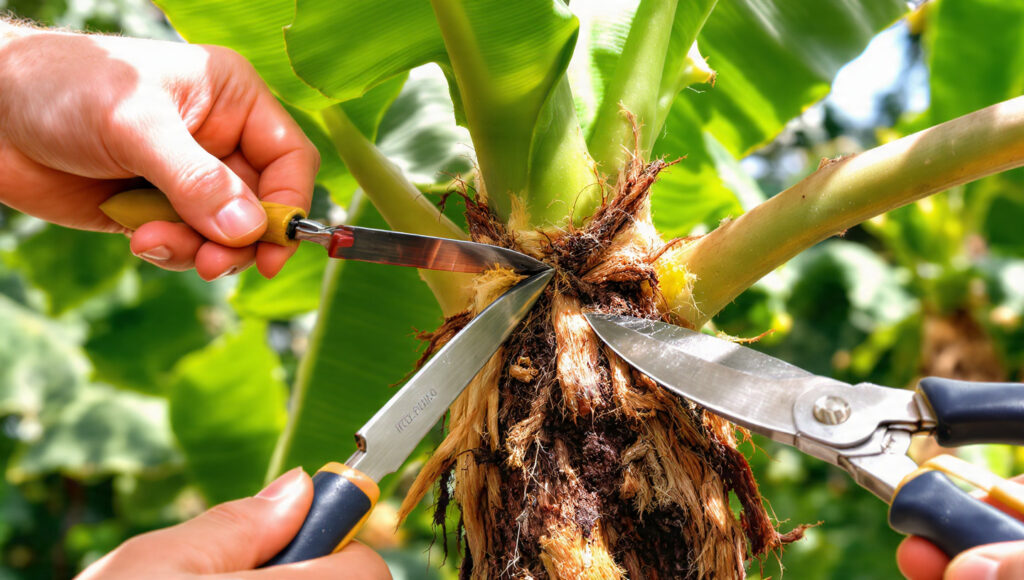
Bananas are one of the world’s most popular fruits, prized for their sweet taste, nutritional value, and versatility. Traditionally, banana plants are propagated through suckers or tissue culture, but an amazing new technique—grafting—can dramatically boost growth and yields. This method enables gardeners and commercial growers alike to achieve faster fruiting, stronger plants, and bigger harvests with minimal effort.
In this complete guide, we’ll explain what banana grafting is, why it works, and how you can successfully implement it in your home or commercial garden.
Why Consider Grafting Banana Plants?
Grafting is a horticultural technique where tissues from two plants are joined to grow as one. While commonly used for fruit trees like apples and mangoes, grafting bananas is an innovative approach that can offer numerous benefits:
- Faster growth: Grafted plants often mature quicker than plants grown from suckers or seeds.
- Early fruiting: Grafting can reduce the time to the first harvest, sometimes by several months.
- Stronger plants: The rootstock can provide disease resistance, nutrient efficiency, and structural support.
- Bigger harvests: Enhanced growth leads to larger bunches of bananas with more uniform fruit quality.
By adopting this technique, you can maximize the potential of your banana plants, whether you’re growing a few at home or running a commercial operation.
Understanding Banana Plant Anatomy for Grafting
Before attempting grafting, it’s essential to understand the structure of a banana plant. Despite appearances, the banana “trunk” is actually a pseudostem made of tightly packed leaf bases. The key parts for grafting include:
- Rootstock: The base plant providing roots, nutrients, and structural support.
- Scion: The upper portion containing the desirable traits, such as fruit quality, size, and taste.
- Pseudostem: The stem-like structure that supports the leaves and fruit bunches.
Successful grafting requires proper alignment of vascular tissues between the scion and rootstock to ensure nutrient and water transport.
Selecting the Right Plants for Grafting
Choosing the right scion and rootstock is crucial for grafting success:
Rootstock selection:
- Choose healthy, disease-free banana plants with robust root systems.
- Rootstocks with resistance to pests like nematodes or fungal infections improve long-term survival.
- Mature plants that are 6–12 months old are ideal for supporting new grafts.
Scion selection:
- Select a plant with desired fruit qualities—sweetness, size, and bunch uniformity.
- Avoid scions with visible disease, damage, or weak growth.
- Younger, firm shoots are preferred for easy handling and better vascular connection.
The right combination ensures strong, productive banana plants after grafting.
Preparing for Grafting
Preparation is key to a successful graft. Proper tools, sterilization, and timing all affect outcomes.
Tools needed:
- Sharp grafting knife or razor blade.
- Sterilizing solution (alcohol or bleach solution).
- Grafting tape, parafilm, or rubber bands to secure the graft.
- Rootstock and scion prepared in advance.
Preparation steps:
- Sterilize all tools to prevent disease transmission.
- Trim the rootstock to expose a clean, healthy section of the pseudostem.
- Cut the scion at an angle for maximum surface contact.
- Plan the grafting method—banana plants respond well to splice grafting or approach grafting techniques.
Proper preparation reduces the risk of graft failure and ensures faster healing.
Step-by-Step Banana Grafting Process
1. Splice Grafting Technique:
➡️ How to Grow Malabar Spinach from Cuttings for Fast, Easy Greens
➡️ How to Grow Super Delicious Cabbage at Home Without a Garden
➡️ How to Grow Bean Sprouts at Home in Plastic Bottles Easily (Step‑by‑Step Guide)
➡️ Why is Your Lemon Tree Blooming in the Heart of Winter?
➡️ Why Should Your Garden Have a Dedicated Pollinator Highway?
➡️ Why Do Your Fruit Trees Need a Winter Wash to Thrive in Spring?
➡️ How Can Rice Water Transform Your Fruits into Sweeter Delights?
➡️ Jumpstart Your Winter Garden: Seed Starting Under Lights
- Make an angled cut on the rootstock and scion, matching surfaces precisely.
- Align the vascular tissues carefully to ensure nutrient flow.
- Bind the graft tightly with grafting tape or parafilm to hold it in place.
- Cover the area with a protective wrap to maintain humidity and reduce drying.
2. Approach Grafting Technique:
- Bring the scion and rootstock together without cutting the base completely.
- Secure the two plants with clips or tape.
- Allow the graft union to form over 2–4 weeks before separating the scion from its original plant.
Post-grafting care:
- Place the grafted plant in a shaded, humid environment for the first 1–2 weeks.
- Water carefully to keep soil moist but not waterlogged.
- Monitor for signs of union failure such as wilting, discoloration, or rot.
With patience and careful attention, grafted banana plants can establish in just a few weeks.
Environmental Conditions for Optimal Graft Success
Bananas thrive in tropical and subtropical climates, but even container-grown or indoor plants can flourish with proper conditions.
Key factors:
- Temperature: Keep grafted plants between 70–85°F (21–29°C) for optimal growth.
- Humidity: High humidity encourages faster graft healing. Use misting or a humidifier if needed.
- Light: Provide indirect sunlight initially; full sun exposure can be resumed gradually.
- Protection from pests: Keep grafted plants safe from insects, rodents, and fungal infections.
Maintaining these conditions during the early stages is critical for strong graft development.
Fertilization and Nutrient Management
Grafted banana plants require ample nutrients to support rapid growth and fruit production.
Fertilization tips:
- Apply balanced fertilizers (NPK 10-10-10) during the vegetative stage.
- Switch to potassium-rich fertilizers during fruit development for sweeter, larger bananas.
- Incorporate organic matter like compost or manure to improve soil health and microbial activity.
- Avoid over-fertilization, which can lead to excessive leaf growth at the expense of fruit.
Proper nutrition supports vigor, disease resistance, and enhanced harvests.
Pruning and Maintenance
Pruning and proper care help grafted banana plants thrive and produce bigger yields:
- Remove dead or damaged leaves to reduce disease risk.
- Thin out suckers to focus energy on the main scion.
- Support the pseudostem with stakes if heavy fruit bunches develop.
- Regularly check graft unions for stability and remove any shoots that may compete with the main scion.
Consistent care ensures healthy growth and abundant fruiting.
Harvesting Grafted Banana Plants
One of the advantages of grafting is earlier fruiting. Grafted banana plants often produce harvestable fruit several months sooner than plants grown from suckers.
Harvesting tips:
- Bananas are ready to harvest when the fruit turns plump, and the edges start to round.
- Cut the entire bunch with a sharp knife.
- Avoid pulling or twisting, which can damage the pseudostem or graft union.
- Post-harvest, continue caring for the plant to encourage the next cycle of fruiting.
Proper timing maximizes flavor, sweetness, and shelf life.
Advantages of Grafted Banana Plants
- Faster maturity: Get fruit sooner than traditional propagation methods.
- Larger, uniform bunches: Increased fruit size and consistency.
- Disease resistance: Rootstock can confer resistance to soil-borne pathogens.
- Adaptable to any climate: Container grafting allows relocation indoors or to greenhouses.
- Extended productivity: Healthy grafted plants often produce multiple crop cycles.
By adopting this technique, gardeners can enjoy superior banana plants with minimal effort.
Final Thoughts
Grafting is a revolutionary method for banana cultivation that opens doors for home gardeners, urban growers, and commercial producers alike. By understanding the plant anatomy, selecting the right rootstock and scion, and following proper grafting techniques, anyone can achieve faster growth, bigger harvests, and stronger plants.
Whether you live in a tropical climate or a cooler region, container or field-grown, grafting allows you to take control of your banana plants’ growth and fruit quality. With patience, proper care, and attention to detail, you can enjoy sweet, abundant, homegrown bananas year after year.
Grafting isn’t just a gardening trick—it’s a game-changer for anyone serious about maximizing fruit production and enjoying the satisfaction of growing superior bananas at home.