Gardening in shady areas can be challenging. While sunlight-loving plants dominate most landscapes, many corners of a garden remain under trees, along fences, or near structures where sunlight is limited. However, shade doesn’t mean your garden has to be dull. There are numerous fast-growing shade plants that not only survive low light conditions but also thrive, bringing lush greenery, vibrant foliage, and even colorful flowers to shaded areas. In this article, we explore 8 of the best fast-growing shade plants that are easy to grow and maintain, perfect for enhancing the beauty of your garden.
1. Hostas (Funkia)
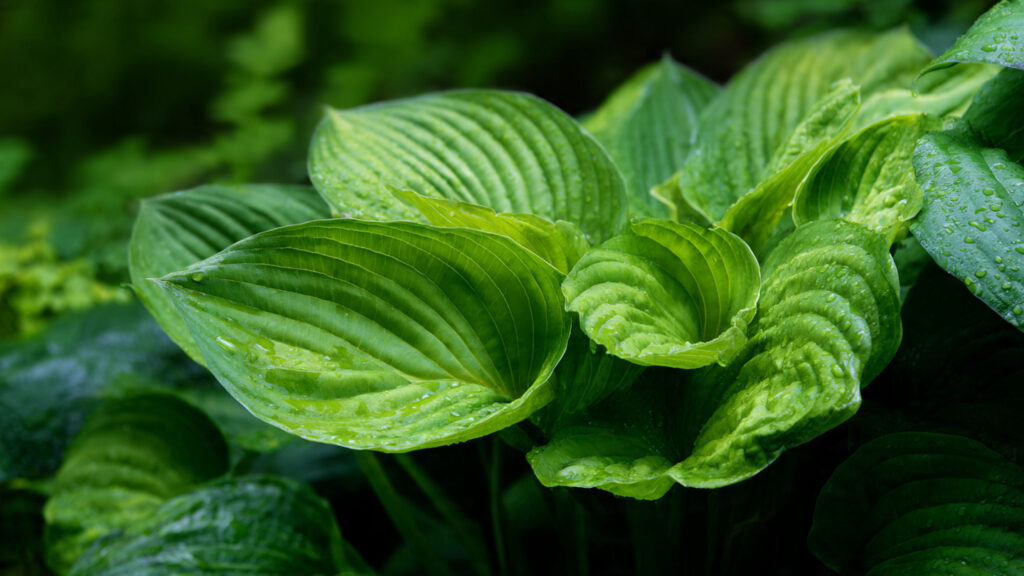
Hostas are a staple in shade gardening due to their adaptability and fast growth. Known for their large, textured leaves and striking variegation, they create an instant focal point in shady corners.
- Growth Habit: Perennial, forming dense clumps quickly.
- Sun Requirements: Partial to full shade.
- Soil Preference: Moist, well-draining soil rich in organic matter.
- Care Tips: Water consistently, mulch to retain moisture, and remove dead leaves to prevent disease.
Hostas are low-maintenance and provide lush foliage that thrives even under dense tree canopies, making them ideal for filling gaps in shaded garden beds.
2. Ferns (Various Species)
Ferns are synonymous with shade gardening. Their delicate fronds bring a soft, tropical feel to gardens with little sunlight. Many fern species are fast-growing and can quickly create a verdant undergrowth.
- Popular Varieties: Boston fern (Nephrolepis exaltata), Lady fern (Athyrium filix-femina), and Ostrich fern (Matteuccia struthiopteris).
- Light Requirements: Partial to full shade.
- Soil Preference: Humus-rich, moist soil.
- Care Tips: Keep the soil consistently damp and protect from strong winds.
Ferns are excellent for shady borders, woodland gardens, or container plantings, adding texture and depth.
3. Astilbe (False Spirea)
Astilbes are prized for their plume-like flowers and bright green foliage, which brighten up shade gardens in early summer. They grow quickly and can spread to form colorful clusters.
- Flower Colors: Pink, red, white, or purple.
- Sun Requirements: Partial shade.
- Soil Preference: Moist, fertile soil rich in organic matter.
- Care Tips: Mulch regularly to retain moisture and divide clumps every 3–4 years to maintain vigor.
Astilbes are perfect for shaded flower beds, water features, or alongside shaded walkways, offering quick growth and beautiful blooms.
4. Impatiens
Impatiens are fast-growing flowering plants that thrive in deep shade, making them a favorite for gardeners who want continuous color under trees or in shadowy garden corners.
- Growth Habit: Annual, but prolific bloomers.
- Flower Colors: Red, pink, white, purple, orange, and bi-colors.
- Soil Preference: Well-draining, rich soil.
- Care Tips: Keep soil moist, pinch back stems to encourage branching, and remove spent flowers to prolong bloom.
Impatiens are ideal for bedding, hanging baskets, and containers and are known for producing flowers within weeks of planting.
5. Heuchera (Coral Bells)
Heucheras are grown mainly for their decorative foliage, which comes in shades of purple, bronze, green, and silver. These perennial plants grow quickly and adapt well to shaded environments.
- Sun Requirements: Partial to full shade, though some varieties tolerate morning sun.
- Soil Preference: Well-drained, rich in organic matter.
- Care Tips: Water moderately, mulch to protect roots, and remove old leaves to encourage fresh growth.
Heucheras are perfect for shade borders, rock gardens, or mixed container plantings, adding vivid foliage colors and quick coverage in low-light areas.
6. Bleeding Heart (Dicentra spectabilis)
Bleeding Heart is a classic shade-loving plant, known for its heart-shaped flowers that dangle gracefully from arching stems. It grows quickly and provides eye-catching blooms in spring.
- Flower Colors: Pink, red, or white.
- Sun Requirements: Partial shade.
- Soil Preference: Moist, well-draining soil rich in humus.
- Care Tips: Keep soil consistently moist, cut back foliage after flowering to promote healthy growth.
Bleeding Heart is ideal for shady borders or woodland-style gardens, creating romantic and delicate floral displays.
7. Japanese Forest Grass (Hakonechloa macra)
This ornamental grass is fast-growing, low-maintenance, and adds movement and texture to shaded gardens. Its bright green or golden foliage contrasts beautifully with darker plants.
- Growth Habit: Clumping grass, forming dense mounds quickly.
- Sun Requirements: Partial to full shade.
- Soil Preference: Moist, well-draining soil.
- Care Tips: Mulch to retain moisture, divide clumps every few years to maintain vigor, and prune dead foliage in early spring.
Japanese Forest Grass is perfect for understory plantings or container gardens, offering a graceful, flowing element to shady areas.
➡️ How to Grow Malabar Spinach from Cuttings for Fast, Easy Greens
➡️ How to Grow Super Delicious Cabbage at Home Without a Garden
➡️ How to Grow Bean Sprouts at Home in Plastic Bottles Easily (Step‑by‑Step Guide)
➡️ Why is Your Lemon Tree Blooming in the Heart of Winter?
➡️ Why Should Your Garden Have a Dedicated Pollinator Highway?
➡️ Why Do Your Fruit Trees Need a Winter Wash to Thrive in Spring?
➡️ How Can Rice Water Transform Your Fruits into Sweeter Delights?
➡️ Jumpstart Your Winter Garden: Seed Starting Under Lights
8. Coleus
Coleus is an easy-to-grow, fast-growing plant celebrated for its vivid and patterned foliage, which brightens dark corners with a spectrum of colors.
- Leaf Colors: Red, purple, yellow, green, and variegated patterns.
- Sun Requirements: Partial to full shade.
- Soil Preference: Moist, fertile soil with good drainage.
- Care Tips: Pinch back stems to promote bushiness, water regularly, and fertilize monthly during the growing season.
Coleus is ideal for containers, bedding, or mixed shade plantings, offering rapid growth and instant visual impact.
Tips for Growing Shade Plants Successfully
Growing shade plants successfully requires more than just picking the right species. Follow these general tips to ensure healthy, fast-growing plants:
- Enhance Soil Fertility – Shade areas often have poor soil due to tree root competition. Add compost, leaf mold, or organic mulch to enrich the soil.
- Proper Watering – Shade plants may not need as much water as sun-loving plants, but keep the soil consistently moist. Avoid waterlogging, which can lead to root rot.
- Use Mulch – Mulch helps retain moisture, suppress weeds, and maintain even soil temperature.
- Avoid Fertilizer Overload – Shade plants grow slower than sun plants, so use moderate fertilization to encourage steady growth without burning foliage.
- Pruning and Cleaning – Remove dead leaves and stems regularly to promote airflow and prevent fungal infections.
- Plant in Groups – Fast-growing shade plants often do well when planted in clusters, creating a lush, natural appearance.
Conclusion
Shade gardens no longer have to be dull or empty. With the right selection of fast-growing, low-maintenance plants, you can transform even the darkest corners into lush, vibrant spaces. Hostas, ferns, astilbes, impatiens, heucheras, bleeding hearts, Japanese forest grass, and coleus offer quick growth, attractive foliage, and colorful flowers that thrive in low light conditions.
By choosing suitable plants and following proper care techniques—such as enriching soil, watering wisely, mulching, and pruning—you can enjoy a thriving shade garden with minimal effort. These plants not only fill shaded areas beautifully but also provide texture, color, and movement, creating a visually appealing and serene garden environment.
Even if your garden has large trees or shaded corners that sunlight rarely touches, these 8 best fast-growing shade plants ensure that every part of your outdoor space becomes vibrant, lush, and full of life.