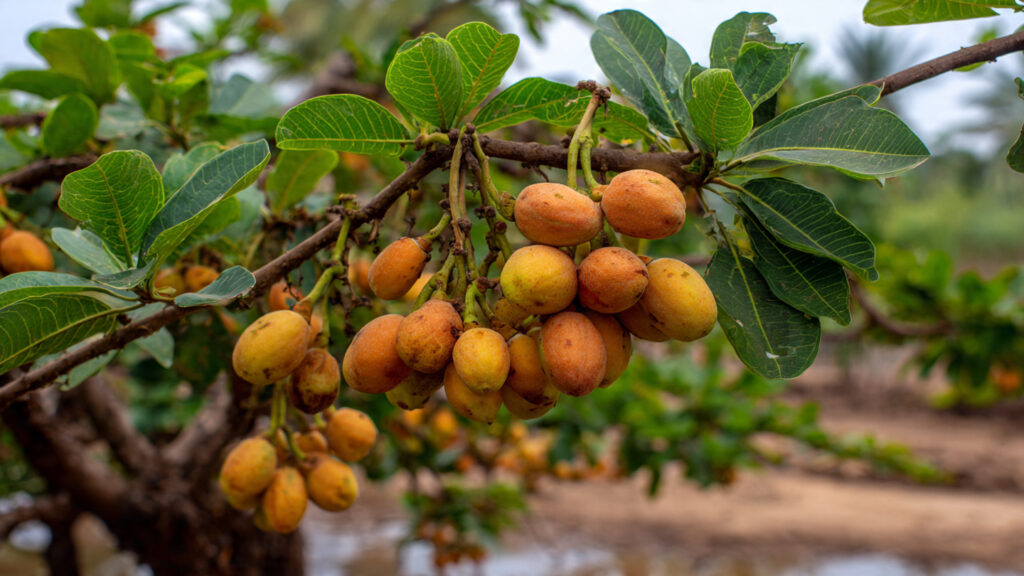
Cashew cultivation is more than just farming in my village — it is a tradition, a livelihood, and a way of life passed down through generations. Every year, as the dry season begins and the cashew trees start flowering, our village slowly transforms into a hub of activity. From preparing the land to harvesting and processing the nuts, each step reflects patience, hard work, and deep knowledge of the land.
This is the complete story of cashew cultivation and harvesting in my village — from planting young saplings to collecting the final crop.
The Importance of Cashew Farming in Our Village
In many tropical regions, cashew trees thrive naturally due to warm temperatures and well-drained soil. In my village, cashew farming supports numerous families. The income from selling cashew nuts helps farmers cover household expenses, school fees, and seasonal investments.
Cashew trees are resilient and drought-tolerant, making them ideal for our climate. Unlike many crops that require heavy irrigation, cashew trees can survive dry spells once established. This makes them reliable even during unpredictable weather conditions.
Beyond economic value, cashew trees also provide shade, prevent soil erosion, and improve the rural landscape with their wide green canopies.
Preparing the Land for Cashew Cultivation
The journey begins long before planting. Farmers carefully select land that has good drainage and receives plenty of sunlight. Cashew trees do not tolerate waterlogging, so slightly elevated or sloping land is preferred.
During the preparation phase:
- The land is cleared of weeds and shrubs.
- Large stones and debris are removed.
- Pits are dug at proper spacing, usually 7 to 10 meters apart.
Spacing is crucial because mature cashew trees develop wide canopies. Giving them enough room ensures better airflow, sunlight penetration, and healthy growth.
Organic manure or compost is often mixed into the planting pits to enrich the soil before transplanting saplings.
Planting Cashew Saplings
In my village, planting usually takes place at the beginning of the rainy season. The rainfall helps young saplings establish strong roots without the need for excessive manual watering.
Farmers either grow saplings from seeds or purchase grafted plants from nurseries. Grafted varieties are increasingly popular because they produce higher yields and better-quality nuts.
After placing the sapling in the pit:
- Soil is gently pressed around the roots.
- A small basin is formed around the plant to hold rainwater.
- Protective fencing may be installed to keep animals away.
The first year is critical. Young plants need care, protection from grazing animals, and occasional watering during dry periods.
Growth and Care of Cashew Trees
Once established, cashew trees are relatively low-maintenance. However, proper care improves productivity.
Weeding and Soil Management
Regular weeding prevents competition for nutrients. Farmers often clear the area around the base of the tree to promote healthy root development.
➡️ How to Grow Malabar Spinach from Cuttings for Fast, Easy Greens
➡️ How to Grow Super Delicious Cabbage at Home Without a Garden
➡️ How to Grow Bean Sprouts at Home in Plastic Bottles Easily (Step‑by‑Step Guide)
➡️ Why is Your Lemon Tree Blooming in the Heart of Winter?
➡️ Why Should Your Garden Have a Dedicated Pollinator Highway?
➡️ Why Do Your Fruit Trees Need a Winter Wash to Thrive in Spring?
➡️ How Can Rice Water Transform Your Fruits into Sweeter Delights?
➡️ Jumpstart Your Winter Garden: Seed Starting Under Lights
Pruning
Pruning helps shape the tree and remove weak or diseased branches. Proper canopy management improves sunlight penetration and increases flowering potential.
Fertilization
Although cashew trees can grow in poor soils, adding organic manure or balanced fertilizers once or twice a year enhances yield.
Pest and Disease Management
Common pests include tea mosquito bugs and stem borers. Farmers monitor trees carefully and apply organic or chemical treatments when necessary.
Healthy trees typically begin flowering within 2 to 3 years of planting, though full production may take longer.
The Flowering Season: A Sign of Hope
The flowering season is one of the most beautiful times in our village. Small pinkish or white flowers bloom in clusters at the tips of branches. This stage determines the future harvest.
Pollination is often assisted by bees and other insects. A healthy flowering season usually signals a good yield ahead.
However, weather plays a crucial role. Excessive rain or strong winds during flowering can reduce fruit set. Farmers watch the skies anxiously during this time, hoping for balanced conditions.
Fruit Development: Cashew Apples and Nuts
After successful pollination, the cashew fruit begins to develop. What makes cashew unique is its structure. The colorful, fleshy part is called the cashew apple, while the actual nut grows externally, attached beneath it.
As the fruit matures:
- The cashew apple turns yellow, red, or orange.
- The nut shell hardens and becomes grayish-brown.
The sight of orchards filled with bright cashew apples is truly stunning. Children in the village often enjoy eating the juicy apples, though they are delicate and spoil quickly.
Cashew Nut Harvesting in My Village
Harvesting usually begins in late winter or early summer, depending on the region. Unlike many fruits that are plucked from trees, cashew fruits naturally fall to the ground when fully ripe.
Every morning during harvest season, farmers walk through their orchards collecting fallen fruits. This daily collection ensures nuts are gathered before moisture or pests damage them.
The process includes:
- Picking fallen fruits.
- Separating the nut from the apple by twisting it off manually.
- Drying the nuts in sunlight for several days.
Drying reduces moisture content and prepares the nuts for storage or processing.
Processing Cashew Nuts
Processing cashew nuts requires caution because the shell contains a corrosive liquid called cashew nut shell liquid (CNSL). This substance can cause skin irritation.
Traditional processing steps include:
- Roasting or steaming to make shells brittle.
- Cracking shells carefully to remove kernels.
- Drying kernels again.
- Peeling thin skin from kernels.
In many villages, small-scale processing units employ local workers, especially women, providing additional income opportunities.
Challenges Faced by Farmers
Despite its profitability, cashew farming has challenges:
Weather Uncertainty
Unseasonal rain during flowering or harvesting can reduce yields.
Pest Attacks
Insect infestations can damage flowers and developing nuts.
Labor Shortage
Harvesting and processing require manual effort, and finding labor can sometimes be difficult.
Market Price Fluctuations
Cashew prices vary depending on demand and export conditions.
Even with these challenges, many farmers continue cultivating cashew because of its long-term benefits.
Economic and Social Impact
Cashew farming significantly improves rural livelihoods. Income from nut sales supports:
- Education for children
- Home improvements
- Agricultural investments
- Local businesses
The harvest season also creates temporary employment, strengthening the village economy.
Community cooperation is common. Families often help each other during peak harvesting days, turning work into a shared experience.
The Emotional Connection to Cashew Farming
For farmers in my village, cashew cultivation is not just business — it is pride and tradition. Watching a tree grow from a tiny sapling into a wide, fruit-bearing giant creates a deep emotional bond.
Elders often share stories of how their grandparents planted some of the oldest trees still standing today. These trees symbolize patience, resilience, and hope for future generations.
Sustainability and the Future of Cashew Farming
Modern farmers are increasingly adopting sustainable practices:
- Using organic fertilizers
- Reducing chemical pesticides
- Practicing intercropping
- Conserving soil moisture
Some farmers plant additional fruit trees alongside cashew to diversify income sources.
With proper management and improved varieties, cashew cultivation continues to offer promising opportunities for rural communities.
Conclusion
Cashew cultivation and harvesting in my village is a story of dedication, tradition, and resilience. From preparing the land and planting saplings to collecting fallen fruits and processing nuts, every stage reflects careful effort and teamwork.
The journey of a cashew nut — from flowering tree to dried kernel ready for market — represents months of patience and hard work. Despite challenges, cashew farming remains a vital part of village life, providing income, employment, and community unity.
As each harvest season arrives, it brings not only financial reward but also a sense of accomplishment. The sight of orchards filled with ripening fruits reminds us that with care, persistence, and respect for nature, the land continues to provide.