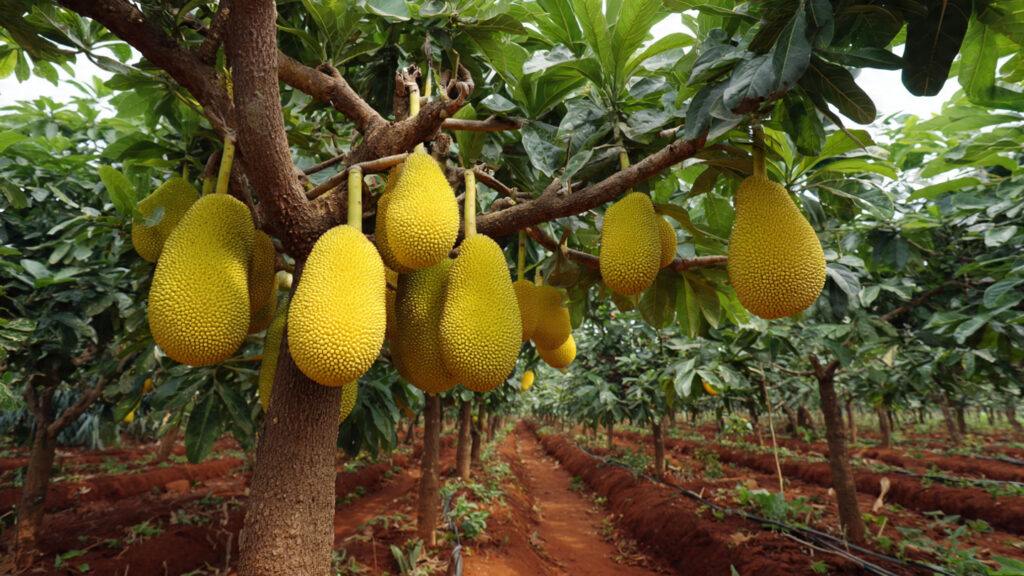
There’s something magical about a jackfruit tree. Its towering branches, enormous leaves, and the promise of giant, sweet fruits make it a prized addition to any garden. Yet, many gardeners struggle to get a bountiful harvest. Jackfruit trees are hardy, but without the right care and organic nutrition, fruit production can be unpredictable.
If you dream of harvesting more jackfruits directly from your backyard, this guide will help. From organic fertilizer solutions to proven growth techniques, here’s how to maximize fruiting from your jackfruit plant.
Understanding the Jackfruit Tree
Before diving into fertilization and growth strategies, it’s essential to understand your tree. Jackfruit (Artocarpus heterophyllus) is a tropical evergreen that thrives in warm, humid climates. Key features include:
- Fast growth: Jackfruit trees can grow over 80 feet in ideal conditions.
- Longevity: A healthy tree can bear fruit for decades.
- Large fruiting cycle: Fruits can weigh between 10–50 kg each.
Despite their strength, jackfruit trees need proper care to produce consistently. Factors such as soil nutrition, watering, pruning, and pest management directly affect fruit yield.
Choosing the Right Location
Location is crucial for fruit production. Jackfruit trees need:
- Full sunlight: At least 6–8 hours of direct sunlight daily.
- Well-draining soil: Avoid waterlogged areas; jackfruit roots are prone to rot.
- Space to grow: These trees need room for their canopy to expand.
Planting your jackfruit tree in the right spot ensures healthy growth and lays the foundation for a high-yield harvest.
Soil Preparation and Organic Fertilization
Healthy soil equals healthy fruiting. Organic fertilizers not only nourish your jackfruit tree but also improve soil structure, water retention, and microbial activity. Here are top options:
1. Compost
Compost is the backbone of organic fertilization. It supplies slow-release nutrients and enhances soil texture.
- Apply 10–15 kg of mature compost around the root zone every 3–4 months.
- Ensure it’s spread evenly, about 1–2 feet from the trunk to avoid stem rot.
2. Cow Manure
Cow manure is rich in nitrogen, phosphorus, and potassium — essential for growth and flowering.
- Apply well-rotted cow manure at 5–10 kg per tree annually.
- Mix lightly with topsoil to enhance absorption.
3. Vermicompost
Worm composting produces nutrient-dense fertilizer ideal for fruiting plants.
- Spread 2–5 kg around the base of young trees.
- Mature trees can receive 10 kg annually to boost flowering and fruiting.
4. Organic Fertilizer Mix for Fruiting
A balanced, organic mix encourages both growth and fruit production:
- Nitrogen (N): Supports healthy foliage.
- Phosphorus (P): Promotes flower and fruit development.
- Potassium (K): Increases fruit size, sweetness, and resistance to pests.
You can combine neem cake, bone meal, and potash for an all-natural NPK boost.
Pruning for More Fruits
Pruning is often overlooked but plays a vital role in maximizing fruit yield. It helps by:
- Improving sunlight penetration
- Allowing better airflow
- Reducing pest infestation
- Directing the tree’s energy to fruit development
How to prune effectively:
- Remove dead or damaged branches.
- Thin crowded areas to allow sunlight to reach interior branches.
- Avoid over-pruning; leave enough foliage for photosynthesis.
- For young trees, shape them with a strong central trunk to support heavy fruits later.
Proper pruning ensures your jackfruit tree can support larger, sweeter fruits instead of wasting energy on excessive leaf growth.
➡️ How to Grow Malabar Spinach from Cuttings for Fast, Easy Greens
➡️ How to Grow Super Delicious Cabbage at Home Without a Garden
➡️ How to Grow Bean Sprouts at Home in Plastic Bottles Easily (Step‑by‑Step Guide)
➡️ Why is Your Lemon Tree Blooming in the Heart of Winter?
➡️ Why Should Your Garden Have a Dedicated Pollinator Highway?
➡️ Why Do Your Fruit Trees Need a Winter Wash to Thrive in Spring?
➡️ How Can Rice Water Transform Your Fruits into Sweeter Delights?
➡️ Jumpstart Your Winter Garden: Seed Starting Under Lights
Watering Techniques for Fruiting
Jackfruit trees need consistent moisture, especially during flowering and fruiting. However, overwatering can harm the roots.
- Young trees: Water 2–3 times a week during dry spells.
- Mature trees: Deep watering once a week is usually sufficient.
- Mulching: Apply organic mulch like straw or dried leaves to retain soil moisture and regulate temperature.
Adequate watering reduces fruit drop and ensures uniform growth.
Flower Induction for Better Fruiting
Jackfruit trees can sometimes flower irregularly, affecting fruit yield. Organic techniques can help induce flowering:
- Potassium-rich fertilizers: Potash improves flower formation.
- Mulching and composting: Healthy soil encourages natural flowering cycles.
- Pruning old shoots: Removing non-productive branches triggers new flowering shoots.
Timing is essential — ensure flowers develop during warm, sunny periods for maximum pollination.
Pollination Tips
Jackfruit flowers rely on insects, especially bees, for pollination. You can improve pollination by:
- Planting flowering plants nearby to attract pollinators
- Avoiding chemical sprays during flowering
- Hand-pollinating flowers if natural pollination is limited
Better pollination directly translates to more fruits per tree.
Pest and Disease Management the Organic Way
A healthy tree produces more fruit. Jackfruit trees can be affected by:
- Fruit borers
- Stem borers
- Mealybugs
- Fungal infections
Organic solutions include:
- Neem oil spray: Controls many pests naturally.
- Garlic or chili spray: Acts as a deterrent for soft-bodied insects.
- Pruning infected parts: Prevents the spread of disease.
- Encouraging beneficial insects: Ladybugs and spiders keep pest populations in check.
Consistent monitoring keeps the tree strong and productive.
Patience Pays Off
Jackfruit trees take time to reach peak production. A well-cared-for tree may start fruiting in 3–5 years if grown from grafts, and slightly longer from seeds. But with the right organic fertilization and growth practices, each harvest will be bigger and more consistent.
Remember:
- Younger trees focus on growth; don’t stress about fruit too early.
- Mature trees benefit from seasonal nutrient boosts and careful pruning.
- Consistency is key — regular organic feeding and watering yield the best results.
Harvesting for Maximum Yield
Knowing when to harvest ensures you enjoy sweet, high-quality fruits:
- Fruit is ready when it emits a strong aroma.
- The skin may turn slightly yellow or brown, depending on the variety.
- Harvest with care to avoid damaging the tree or fruits.
Regularly picking ripe fruits encourages the tree to produce more, maintaining a continuous cycle of fruiting.
Final Thoughts
Getting more fruits from a jackfruit plant isn’t magic — it’s about understanding the tree’s needs and supporting it organically. By combining:
- Organic fertilizers like compost, vermicompost, and cow manure
- Proper pruning to channel energy into fruiting
- Water management and mulching for soil health
- Flower and pollination strategies
- Organic pest control
…any gardener can transform a struggling jackfruit tree into a high-yield powerhouse.
With patience, care, and the right organic approach, your backyard can soon be overflowing with giant, sweet jackfruits — a delicious reward for your sustainable efforts.
Your jackfruit dream is within reach — and the secret lies in nurturing nature, not forcing it.