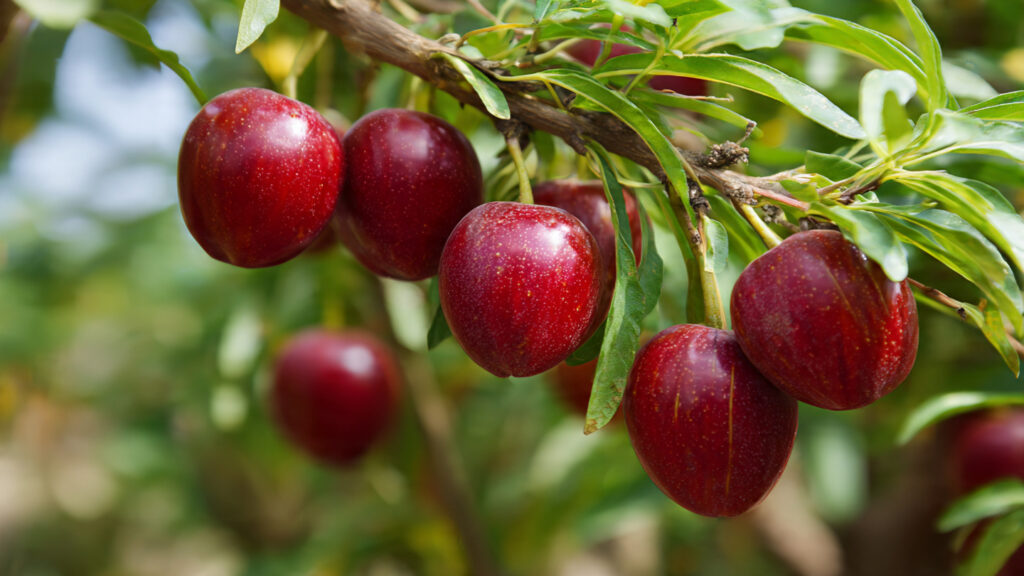
Jujube trees (Ziziphus jujuba) have been cultivated for thousands of years, prized for their sweet, nutritious fruit, medicinal benefits, and resilience in arid environments. While jujubes are naturally hardy and productive, farmers and gardeners alike are always seeking ways to increase their yield without relying on chemical fertilizers or excessive labor. One powerful, natural technique stands out for boosting fruit production and enhancing tree health: proper pruning and canopy management combined with targeted soil and water strategies. In this article, we’ll explore this method, why it works, and how you can apply it to your jujube trees to achieve higher yields naturally.
Understanding Jujube Trees and Their Growth Habits
Before diving into techniques, it’s important to understand how jujube trees grow. Native to China, jujube trees are deciduous and can reach heights of 20–30 feet, though they are often pruned for manageable size. They have a spreading crown with thorny branches and small, ovate leaves. Fruit forms on short spurs along older wood, which means that fruit production depends on both the tree’s age and the maintenance of productive branches.
Jujubes are naturally drought-tolerant and can survive in poor soils, but achieving maximum fruit yield requires attention to the tree’s structure, nutrient availability, and overall health. Ignoring these factors often leads to smaller fruit, fewer clusters, and underdeveloped trees.
The Natural Technique: Strategic Pruning and Canopy Management
The most powerful method to boost jujube yield naturally combines pruning, canopy management, and nutrient optimization. Pruning is not just about shaping the tree—it stimulates growth, redirects energy toward fruiting branches, improves light penetration, and facilitates airflow. Here’s why it’s so effective:
- Energy Redirection: By removing unproductive or crowded branches, the tree can channel nutrients and water toward fruit-bearing spurs.
- Improved Light Exposure: Fruit formation requires sunlight. Thinning the canopy allows light to reach lower branches, promoting uniform fruiting throughout the tree.
- Air Circulation: Proper pruning reduces humidity inside the canopy, decreasing the risk of fungal infections and pest infestations, which can indirectly improve fruit quality and quantity.
This method works naturally, without synthetic growth stimulants, and can double the yield in mature, well-maintained jujube trees.
Step-by-Step Pruning for Maximum Yield
Pruning is seasonal and requires attention to timing and technique:
- Timing: The best time to prune jujube trees is during late winter or early spring, before new growth begins. This timing ensures the tree can heal quickly and focus on fruit production. Light summer pruning may also be performed to remove excessively vigorous shoots.
- Remove Dead or Weak Wood: Cut away any branches that are diseased, damaged, or weak. This allows the tree to redirect resources to healthy spurs.
- Thin Crowded Branches: Identify areas where branches overlap or grow inward. Removing these improves sunlight exposure and airflow.
- Shorten Long Shoots: For trees with overly long shoots, cut back to a lateral branch or bud. This encourages branching and creates more fruiting sites.
- Maintain Tree Shape: Aim for an open, vase-like structure with evenly spaced branches. This makes future pruning easier and maximizes sunlight exposure to all parts of the tree.
Following these steps consistently over the years ensures that your jujube tree becomes more productive, healthier, and easier to maintain.
Soil Preparation and Nutrient Management
While pruning directs the tree’s energy toward fruiting, proper soil and nutrients provide the fuel for growth. Jujube trees are not heavy feeders, but they respond well to natural fertilizers that enhance soil fertility.
- Organic Compost: Incorporate well-decomposed compost around the base of the tree in early spring. Compost improves soil structure, retains moisture, and provides essential nutrients.
- Manure: A light application of well-rotted manure once or twice a year boosts nutrient levels without overwhelming the tree.
- Mulching: Applying mulch around the root zone helps retain soil moisture, regulate temperature, and reduce weeds that compete for nutrients.
- pH Management: Jujube trees prefer slightly acidic to neutral soil (pH 6.0–7.0). Conduct a soil test and amend with lime or sulfur as necessary.
By combining pruning with nutrient-rich soil management, the tree can produce larger, sweeter, and more abundant fruit naturally.
Watering Techniques for Better Yield
Although jujube trees are drought-tolerant, proper watering is essential for maximum yield, especially during fruit set and maturation.
- Deep Watering: Apply water deeply at the base of the tree to encourage deep root growth. Avoid shallow, frequent watering, which promotes weak roots and reduces fruiting potential.
- Seasonal Adjustments: Increase watering during the flowering and early fruiting stages. Reduce water slightly as fruits mature to concentrate sugars and improve flavor.
- Drip Irrigation: If possible, use drip irrigation to deliver consistent moisture directly to the root zone without wetting the canopy, which can reduce fungal risks.
Balanced watering ensures the tree has enough energy to support fruit production while maintaining healthy growth.
Encouraging Flowering and Fruit Set
Flowering is the first step toward a high yield. Jujube trees bloom on new growth and older spurs, so pruning, sunlight, and water management play critical roles:
- Sunlight: Ensure your tree receives at least 6–8 hours of direct sunlight daily. Insufficient light reduces flower initiation.
- Balanced Fertilization: Avoid excessive nitrogen, which encourages leafy growth at the expense of flowers. Use fertilizers higher in phosphorus and potassium to stimulate blooming and fruit development.
- Pollination: While many jujube varieties are self-pollinating, improving pollination by attracting bees and other pollinators can increase fruit set. Plant pollinator-friendly flowers nearby or minimize pesticide use.
- Temperature Management: Jujube flowers are sensitive to frost during early blooming. Protect blossoms from late frost with cloth covers or other temporary shielding methods.
These strategies, combined with canopy management, maximize the number of flowers that develop into fruit.
Pest and Disease Prevention Naturally
A healthy, well-pruned tree is naturally more resistant to pests and diseases, but vigilance is key.
- Common Pests: Aphids, leaf miners, and jujube fruit flies may affect growth and yield. Use natural controls such as neem oil, insecticidal soap, or introducing beneficial insects.
- Disease Prevention: Fungal infections, such as leaf spot, can occur in humid conditions. Adequate spacing and pruning reduce disease incidence.
- Sanitation: Remove fallen leaves and fruit promptly to prevent pests and pathogens from establishing.
Maintaining a healthy tree ecosystem reduces stress and ensures more energy is available for fruit production.
➡️ How to Grow Malabar Spinach from Cuttings for Fast, Easy Greens
➡️ How to Grow Super Delicious Cabbage at Home Without a Garden
➡️ How to Grow Bean Sprouts at Home in Plastic Bottles Easily (Step‑by‑Step Guide)
➡️ Why is Your Lemon Tree Blooming in the Heart of Winter?
➡️ Why Should Your Garden Have a Dedicated Pollinator Highway?
➡️ Why Do Your Fruit Trees Need a Winter Wash to Thrive in Spring?
➡️ How Can Rice Water Transform Your Fruits into Sweeter Delights?
➡️ Jumpstart Your Winter Garden: Seed Starting Under Lights
Harvesting for Maximum Productivity
Even the best care will only yield optimal results if harvest timing is correct:
- Maturity: Jujube fruits are ready for harvest when they turn reddish-brown and become slightly soft. Immature fruit may be sour or low in sugar.
- Frequent Picking: Harvest regularly to encourage the tree to produce more fruit rather than diverting energy into overripe fruits.
- Gentle Handling: Avoid bruising fruit during harvest, as damaged fruits can attract pests and reduce overall yield.
Proper harvesting techniques ensure consistent productivity and high-quality fruit year after year.
Combining Techniques for a Flourishing Jujube Tree
The true power of this natural yield-boosting method lies in combining strategies:
- Strategic Pruning + Canopy Management: Opens up the tree to light and airflow while focusing energy on productive branches.
- Nutrient-Rich Soil + Mulching: Provides essential elements and protects roots for sustained growth.
- Balanced Watering + Seasonal Adjustments: Supports flowering, fruiting, and overall tree vigor.
- Pollinator Encouragement + Pest Management: Ensures high fruit set and healthy development.
When practiced together consistently, these steps can transform a standard jujube tree into a high-yielding, naturally flourishing orchard centerpiece.
Conclusion
Jujube trees are naturally resilient and productive, but achieving maximum yield requires more than leaving them to grow on their own. The most powerful natural technique to boost fruit production is a combination of strategic pruning, canopy management, and balanced care. By redirecting the tree’s energy toward fruit-bearing branches, ensuring adequate sunlight, optimizing soil nutrients, and maintaining proper watering and pest management, you can achieve a naturally flourishing jujube tree with abundant, high-quality fruit.
This approach not only enhances yield but also strengthens the tree’s overall health, reduces dependency on chemical fertilizers, and creates a sustainable, low-maintenance system. Whether you are a backyard gardener or a small-scale farmer, implementing these natural techniques allows you to enjoy higher productivity, better fruit quality, and a thriving jujube tree year after year.
Investing time and attention into pruning, soil care, and water management is a small effort compared to the rewarding harvest that follows. With consistency, observation, and patience, your jujube trees can reach their full potential naturally—producing sweet, abundant fruit that celebrates the harmony between careful cultivation and nature.