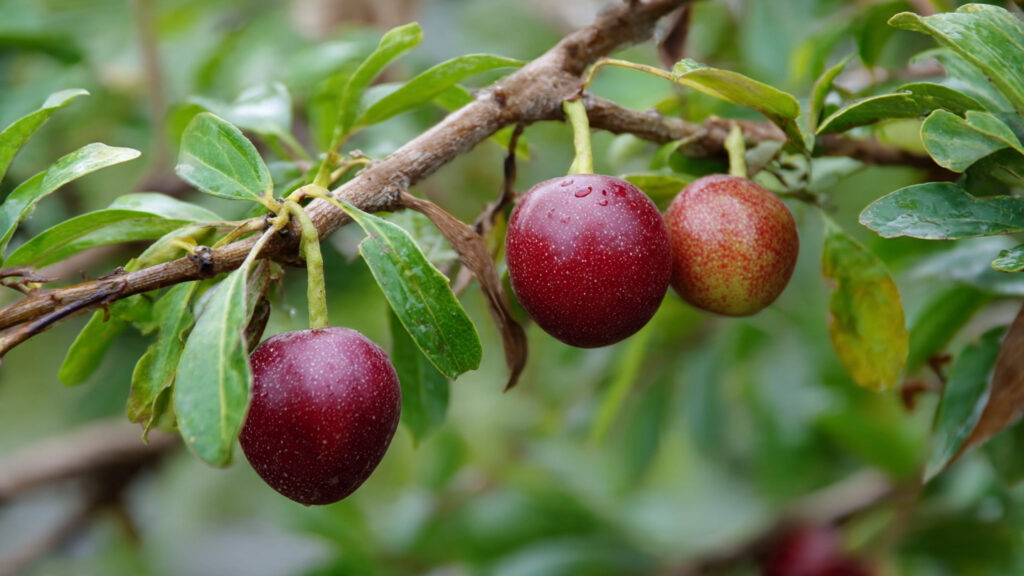
The Chinese jujube (Ziziphus jujuba) is a remarkable fruit tree prized for its sweet, nutrient-rich fruits, medicinal properties, and adaptability to a wide range of climates. Growing jujube from seeds can be a rewarding experience for gardeners, especially if you want to propagate trees with unique characteristics or expand your orchard. While jujube trees are hardy and can thrive in diverse conditions, achieving fast germination and healthy early growth requires understanding the proper techniques for seed preparation, planting, and care. This comprehensive guide will walk you through every step to ensure your jujube seedlings grow quickly and establish strong roots for long-term productivity.
Understanding Chinese Jujube Growth
Before starting seeds, it’s important to understand the growth habits of Chinese jujube trees.
- Seedling growth: Jujube seedlings grow relatively slowly during the first few months, so proper care is critical to encourage healthy development.
- Soil adaptability: Jujube trees tolerate poor soils but grow best in well-draining, sandy loam enriched with organic matter.
- Climate resilience: Jujube is drought-tolerant and can survive in temperatures ranging from -10°C to 40°C (14°F–104°F), but young seedlings need protection from frost and extreme heat.
By understanding these traits, you can provide the optimal environment for rapid germination and early growth.
Selecting and Preparing Seeds
Seed quality is essential for fast germination. Follow these steps to prepare Chinese jujube seeds:
1. Selecting Seeds
- Choose fresh, mature fruits from a healthy, disease-free tree.
- Remove the pulp carefully to avoid damage to the seed. Rinse seeds in water to clean off any residual sugars, which can attract mold.
2. Stratification: Boosting Germination
Chinese jujube seeds have a hard outer coat, which can delay germination. Cold stratification helps break seed dormancy:
- Place seeds in a damp paper towel or sand inside a plastic bag.
- Refrigerate at 1–5°C (34–41°F) for 30–60 days.
- Check occasionally to ensure seeds remain moist but not soggy.
Stratification softens the seed coat and significantly accelerates germination once planted.
Pre-Soaking Seeds for Faster Sprouting
After stratification, pre-soaking seeds can further speed up germination:
- Soak seeds in warm water (around 25–30°C / 77–86°F) for 24 hours before planting.
- Use fresh water to prevent bacterial growth.
- Discard seeds that float, as they are often non-viable.
Pre-soaking softens the seed coat, encourages water absorption, and triggers the metabolic processes required for rapid sprouting.
Choosing the Right Growing Medium
Jujube seeds germinate best in a light, well-draining medium. A typical mix includes:
- 50% sterile potting soil
- 25% coarse sand or perlite for drainage
- 25% peat moss or coconut coir for moisture retention
Avoid heavy clay soils, which can retain too much water and cause seed rot.
Planting Chinese Jujube Seeds
Once seeds are prepared, follow these steps to plant for fast germination:
- Fill small pots or seed trays with the growing medium.
- Plant seeds 1–2 cm deep (about ½ inch), covering lightly with soil.
- Water gently to moisten the soil without washing seeds away.
- Maintain a temperature of 25–30°C (77–86°F) using a warm windowsill, heat mat, or greenhouse environment.
- Cover pots with a clear plastic dome or plastic wrap to maintain humidity.
Under optimal conditions, germination occurs in 2–4 weeks, though some seeds may take longer.
Watering and Humidity Management
Maintaining consistent moisture is key to quick germination and healthy early growth:
- Moisture: Keep the soil evenly moist but avoid waterlogging. Overwatering can lead to fungal infections and root rot.
- Humidity: Covering seedlings with a plastic dome or placing them in a mini-greenhouse maintains high humidity, which encourages fast sprouting.
- Air circulation: Remove the cover for short periods each day to prevent mold buildup and provide fresh air.
Early Seedling Care
Once seeds germinate, proper care ensures rapid early growth:
1. Light Requirements
- Place seedlings in bright, indirect sunlight for 12–14 hours per day.
- Avoid direct harsh sunlight, which can scorch young leaves.
- If natural light is limited, use fluorescent or LED grow lights.
2. Temperature
- Maintain 20–28°C (68–82°F) for optimal seedling growth.
- Avoid sudden temperature drops, which can stress seedlings and slow development.
3. Fertilization
- Begin light fertilization once seedlings develop 2–3 true leaves.
- Use a diluted balanced liquid fertilizer (e.g., 10-10-10 NPK) at half strength.
- Fertilize every 2–3 weeks to support vigorous growth without burning roots.
4. Thinning Seedlings
- If multiple seeds germinate in one pot, thin them to one strongest seedling per container to reduce competition for nutrients and water.
Transplanting Seedlings
After 6–8 weeks, seedlings will be ready for transplanting:
➡️ How to Grow Malabar Spinach from Cuttings for Fast, Easy Greens
➡️ How to Grow Super Delicious Cabbage at Home Without a Garden
➡️ How to Grow Bean Sprouts at Home in Plastic Bottles Easily (Step‑by‑Step Guide)
➡️ Why is Your Lemon Tree Blooming in the Heart of Winter?
➡️ Why Should Your Garden Have a Dedicated Pollinator Highway?
➡️ Why Do Your Fruit Trees Need a Winter Wash to Thrive in Spring?
➡️ How Can Rice Water Transform Your Fruits into Sweeter Delights?
➡️ Jumpstart Your Winter Garden: Seed Starting Under Lights
- Prepare larger pots or a nursery bed with well-draining soil.
- Gently remove seedlings from the tray, taking care not to damage roots.
- Plant them slightly deeper than the original soil level to stabilize the stem.
- Water thoroughly and provide light shade for the first few days to reduce transplant shock.
Transplanting into larger containers or outdoor beds encourages root expansion and faster vertical growth.
Encouraging Strong Early Growth
To maximize early growth and future fruiting potential:
- Support seedlings with small stakes if stems are weak or leaning.
- Mulch around seedlings with organic material to retain moisture and regulate temperature.
- Prune damaged leaves to encourage healthy foliage development.
- Avoid overfertilization, which can lead to weak stems and excessive leaf growth at the expense of root development.
Pest and Disease Management
Jujube seedlings are generally hardy, but vigilance is important:
- Aphids and whiteflies: Spray gently with water or insecticidal soap.
- Damping-off disease: Caused by fungi in overly wet soil. Ensure proper drainage and avoid overwatering.
- Fungal leaf spots: Remove affected leaves and improve air circulation around seedlings.
Healthy seedlings grow faster and are more resilient to environmental stresses.
Tips for Accelerated Growth
- Warm environment – Using a heat mat can speed up germination and early growth.
- Consistent moisture – Avoid letting soil dry out completely.
- Light management – 12–14 hours of bright, indirect light daily promotes photosynthesis.
- Fertilizer timing – Begin light feeding when true leaves appear.
- Container management – Use pots that allow adequate drainage and root expansion.
By combining these methods, jujube seedlings can establish more quickly and grow into robust trees capable of producing fruit within a few years.
Conclusion
Growing Chinese jujube from seeds is both a rewarding and educational experience for gardeners. By following proper seed selection, stratification, pre-soaking, planting, and early care techniques, you can dramatically accelerate germination and early growth. Maintaining optimal light, temperature, humidity, and nutrition ensures seedlings develop strong roots and healthy foliage, setting the stage for a productive, long-lived jujube tree.
With patience and attention to detail, your seed-grown jujube trees can thrive indoors or in a nursery, providing sweet, nutritious fruits and ornamental beauty for years to come. By implementing the strategies outlined in this guide, even beginner gardeners can enjoy the satisfaction of cultivating Chinese jujube from seed quickly and successfully.