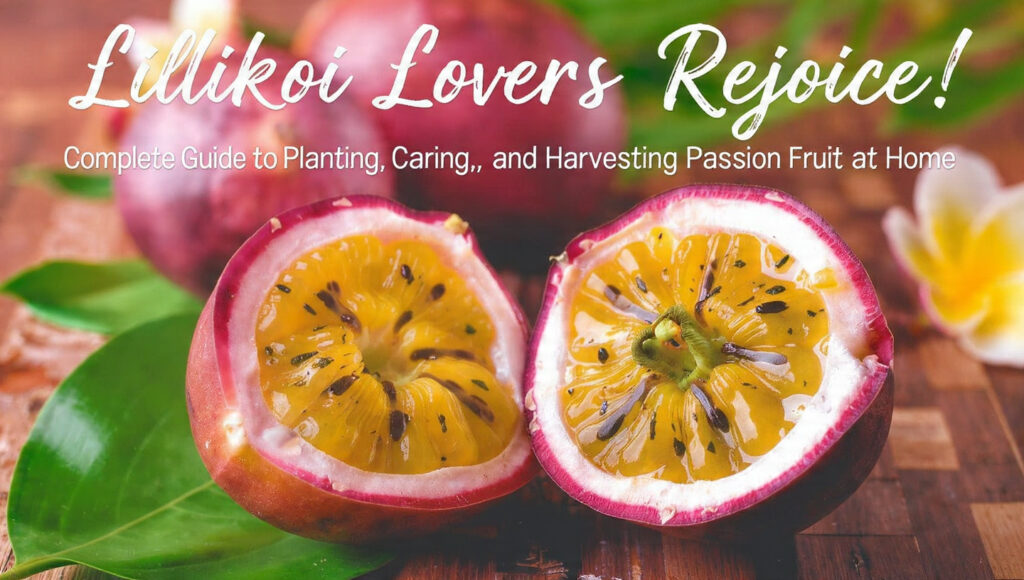
Passion fruit, also known as lilikoi, is a tropical delight cherished for its vibrant flavor and nutritional benefits. Bursting with antioxidants, vitamins, and a refreshing tang, this fruit is perfect for fresh consumption, juices, desserts, and even jams. The good news is that you don’t need to live in the tropics to enjoy your own homegrown passion fruit. With the right guidance, you can plant, nurture, and harvest passion fruit at home, creating your very own lilikoi oasis.
Here’s a complete guide for all lilikoi lovers eager to cultivate this exotic fruit in their garden or containers.
1. Understanding Passion Fruit Varieties
Before planting, it’s important to know which passion fruit variety suits your region. The two main types are:
- Purple Passion Fruit (Passiflora edulis): Hardy and ideal for cooler subtropical climates. Fruits are smaller with a deep purple skin and aromatic pulp.
- Yellow Passion Fruit (Passiflora edulis f. flavicarpa): Thrives in tropical climates. Produces larger, bright yellow fruits with a tangier flavor.
Selecting the right variety ensures better growth, fruiting, and disease resistance. Purple passion fruit is perfect for gardens in subtropical areas, while yellow varieties need warmth and more sunlight to flourish.
2. Choosing the Right Location
Passion fruit vines are sun-loving climbers that require a well-drained, fertile location. They thrive best in areas with at least 6–8 hours of sunlight per day.
- Soil: Passion fruit prefers slightly acidic to neutral soil (pH 6–7). Enrich your planting site with compost or well-rotted manure to ensure nutrient-rich conditions.
- Support Structures: These vigorous climbers need trellises, fences, or pergolas to grow properly. A strong support system encourages upward growth and makes harvesting easier.
- Spacing: If planting multiple vines, maintain 2–3 meters (6–10 feet) between plants to allow proper airflow, reducing the risk of diseases.
By choosing the right spot, you’ll give your passion fruit the best chance to thrive while keeping maintenance manageable.
3. Planting Passion Fruit
Passion fruit can be grown from seeds or seedlings.
From Seeds:
- Extract seeds from ripe fruit and clean off the pulp.
- Soak seeds overnight in water to speed up germination.
- Plant in seed trays with a well-draining potting mix.
- Keep the soil consistently moist and warm. Germination typically occurs in 2–4 weeks.
From Seedlings:
- Purchase healthy seedlings from a nursery.
- Dig a hole slightly larger than the root ball.
- Plant the seedling, fill with soil, and water thoroughly.
For best results, planting is ideal during spring or early summer, giving the vine ample time to establish before cooler months.
4. Caring for Passion Fruit Vines
Proper care ensures your passion fruit vine grows vigorously and produces abundant fruit.
Watering
Passion fruit requires consistent moisture, especially during flowering and fruiting. Water deeply 2–3 times per week, allowing soil to dry slightly between watering to avoid root rot.
Fertilization
Feed your vine with a balanced fertilizer rich in potassium and phosphorus every 4–6 weeks. Fertilizers high in nitrogen encourage leaf growth but may reduce flowering, so balance is key.
Mulching
Apply organic mulch around the base of the plant to retain soil moisture, suppress weeds, and regulate soil temperature. Materials like straw, bark chips, or compost work well.
Pruning
Prune after the first year to remove dead, weak, or overcrowded stems. This improves airflow, reduces disease risk, and encourages new shoots for future fruiting.
➡️ How to Grow Malabar Spinach from Cuttings for Fast, Easy Greens
➡️ How to Grow Super Delicious Cabbage at Home Without a Garden
➡️ How to Grow Bean Sprouts at Home in Plastic Bottles Easily (Step‑by‑Step Guide)
➡️ Why is Your Lemon Tree Blooming in the Heart of Winter?
➡️ Why Should Your Garden Have a Dedicated Pollinator Highway?
➡️ Why Do Your Fruit Trees Need a Winter Wash to Thrive in Spring?
➡️ How Can Rice Water Transform Your Fruits into Sweeter Delights?
➡️ Jumpstart Your Winter Garden: Seed Starting Under Lights
5. Pollination for Maximum Fruit Set
Passion fruit flowers are beautiful, but they need pollination to produce fruit. Insects such as bees are natural pollinators, but hand pollination can also help, especially in areas with limited insect activity.
To hand-pollinate:
- Gently transfer pollen from the stamen to the stigma of each flower using a small brush or cotton swab.
- Focus on flowers that are fully open and healthy.
Pollination is crucial—without it, your vine may produce flowers but few or no fruits.
6. Pest and Disease Management
Passion fruit can be vulnerable to pests and diseases, so regular monitoring is essential.
Common Pests:
- Aphids
- Mealybugs
- Scale insects
Common Diseases:
- Fusarium wilt
- Passion fruit woodiness virus
- Anthracnose
Preventive measures include:
- Proper spacing for airflow
- Regular pruning
- Using organic pesticides or neem oil if infestations occur
Healthy vines are more productive, so early action can save you from major losses.
7. Harvesting Passion Fruit
Harvesting is the most rewarding part of growing lilikoi at home. Fruits are typically ready 3–6 months after flowering, depending on the variety.
Signs of Ripeness:
- Fruit begins to change color: purple for purple varieties, yellow for yellow varieties.
- Slightly wrinkled skin indicates peak flavor.
- Fruits naturally drop when fully ripe—these are perfect for consumption.
Pick the fruit gently to avoid bruising. Passion fruit can be stored at room temperature for a few days or refrigerated for up to two weeks.
8. Storing and Using Passion Fruit
Freshly harvested passion fruit can be used in multiple ways:
- Fresh Eating: Scoop out the pulp and enjoy directly.
- Juices and Smoothies: Blend the pulp with water or other fruits for a refreshing drink.
- Desserts and Sauces: Incorporate into cakes, tarts, or coulis for tropical flavor.
- Preserves: Make jams or jellies to enjoy the taste year-round.
Proper storage ensures that you can enjoy your harvest for longer, and using passion fruit creatively can transform everyday dishes into tropical delights.
9. Encouraging Continuous Fruiting
Passion fruit vines can bear fruit multiple times a year under ideal conditions. To encourage continuous fruiting:
- Keep the vine well-watered and fertilized.
- Remove spent flowers and old fruit to stimulate new growth.
- Ensure the plant receives sufficient sunlight.
- Rotate pruning and support adjustments to maximize airflow and light exposure.
With careful management, your homegrown lilikoi vine can be a long-term source of delicious fruits.
10. Enjoying the Beauty of Passion Fruit
Beyond the fruit, passion fruit vines are stunning additions to any garden. Their vibrant flowers and lush foliage make trellises, fences, or pergolas visually appealing. Many gardeners grow passion fruit not just for food, but also for the tropical charm it brings to the landscape.
Growing lilikoi at home is both a practical and aesthetic investment—it provides fresh fruit, attracts pollinators, and transforms your garden into a tropical retreat.
Bonus Tips for Passion Fruit Lovers
- Companion Planting: Plant nitrogen-fixing plants nearby to improve soil fertility.
- Container Gardening: Passion fruit can thrive in large pots if space is limited. Ensure proper drainage and support.
- Propagation: Save seeds from mature fruits to grow new vines for free.
Conclusion
Growing passion fruit at home is a delightful journey that combines gardening skill with culinary rewards. From choosing the right variety and planting the seeds, to nurturing the vine, hand-pollinating flowers, and harvesting the delicious fruits, every step offers satisfaction and joy.
By following this complete guide to planting, caring, and harvesting passion fruit at home, lilikoi lovers can enjoy fresh, tangy fruits straight from their backyard or balcony. Whether you’re savoring the pulp in juices, desserts, or preserves, homegrown passion fruit brings a taste of the tropics wherever you live.
Start today, nurture your vine with care, and rejoice in the abundant, exotic flavors that only lilikoi can deliver!