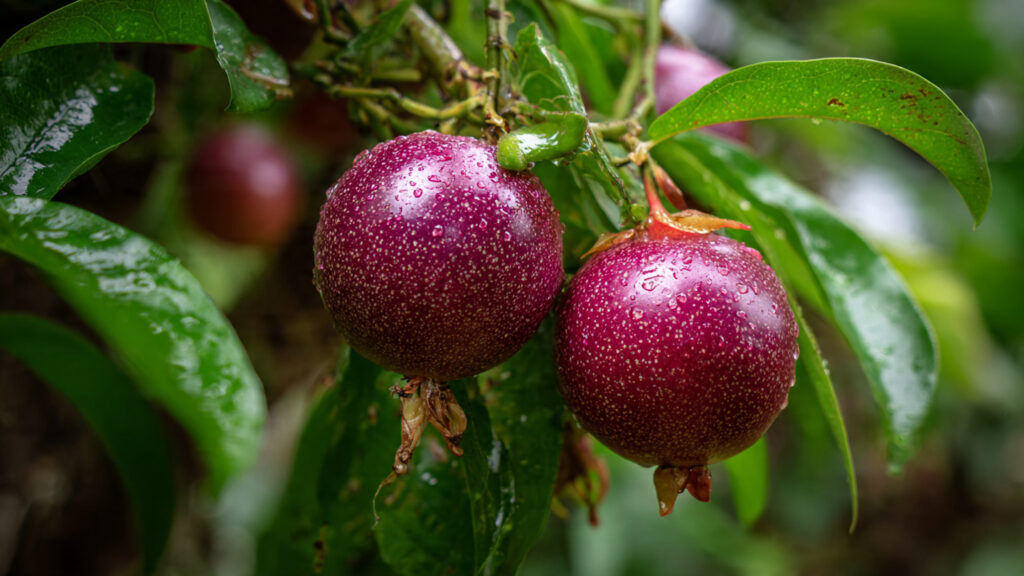
Passion fruit is one of the most exotic and rewarding fruits you can grow at home. Its sweet, tangy pulp is perfect for juices, desserts, and even salad dressings, and the vine’s beautiful flowers add a tropical flair to any garden. But if you’re a beginner, you might wonder: “Can I grow passion fruit from seed?”
The answer is a resounding yes! Growing passion fruit from seed is simple, inexpensive, and incredibly satisfying. With the right approach, you can nurture seeds into vigorous vines that will eventually produce an abundance of fruit. Let’s walk you through the complete step-by-step method for growing passion fruit from seed.
Why Grow Passion Fruit from Seed?
Before diving into the process, it’s worth understanding the benefits of starting your passion fruit plants from seed:
1. Cost-Effective
Buying seedlings or grafted plants can be expensive. Seeds, on the other hand, are easy to collect from ripe fruits or buy from a nursery.
2. A Fun Learning Experience
Starting from seed allows beginners to learn about germination, soil preparation, and plant care in a hands-on way.
3. Genetic Diversity
Growing from seed produces a variety of plants, giving you the chance to discover new flavors or traits.
4. Easy to Start
Passion fruit seeds germinate relatively quickly, making them an excellent choice for novice gardeners.
What You’ll Need
To grow passion fruit successfully, gather the following materials:
- Ripe passion fruit
- A bowl of water
- Paper towels or a fine sieve
- Small seedling trays or pots
- Quality seed-starting mix or light potting soil
- Plastic cover or humidity dome
- Water spray bottle
- Trellis or support (for later growth)
Having everything ready makes the process smooth and ensures the best results.
Step 1: Extracting the Seeds
- Cut a ripe passion fruit in half.
- Scoop out the pulp along with the seeds into a bowl.
- Separate the seeds from the pulp using a fine sieve or by rubbing gently with your fingers.
- Rinse the seeds under running water to remove any remaining pulp.
Tip: Remove the gelatinous coating on the seeds carefully; this layer can inhibit germination if not cleaned properly.
Step 2: Preparing Seeds for Germination
For better germination rates, passion fruit seeds can benefit from soaking:
- Place the cleaned seeds in a bowl of lukewarm water.
- Let them soak for 24–48 hours.
- This softens the seed coat and speeds up germination.
Some gardeners also lightly scarify the seeds with sandpaper—rub gently to nick the outer coat—but this is optional for beginners.
Step 3: Choosing the Right Container and Soil
- Use small pots, seedling trays, or even biodegradable peat pots.
- Fill them with a light, well-draining seed-starting mix. Avoid heavy garden soil, which can retain too much moisture and cause seed rot.
- Ensure the container has drainage holes to prevent waterlogging.
Pro Tip: A mix of compost, coco peat, and perlite works perfectly for young passion fruit seeds.
Step 4: Sowing the Seeds
- Make a small hole in the soil, about 1/4 to 1/2 inch deep.
- Place 2–3 seeds in each hole to improve chances of germination.
- Cover lightly with soil and gently press down.
- Water the soil carefully to make it moist but not soggy.
Tip: Label your containers with the date of sowing so you can track growth.
Step 5: Creating the Ideal Germination Environment
- Passion fruit seeds need warmth, humidity, and light to sprout.
- Cover the pots with a clear plastic sheet or humidity dome to retain moisture.
- Place the pots in a bright, warm location with indirect sunlight.
- Keep the soil consistently moist by misting with a spray bottle.
Temperature: Ideal germination occurs around 21–30°C (70–85°F).
Step 6: Germination Timeline
- Passion fruit seeds usually sprout in 2–4 weeks, though it can take up to 6 weeks in cooler climates.
- You’ll notice tiny green shoots emerging from the soil—this is the first sign of success!
- Remove the plastic cover once seedlings appear to prevent fungal growth.
Step 7: Caring for Seedlings
Young passion fruit seedlings are delicate and need proper care:
Light
- Provide 6–8 hours of sunlight daily.
- If indoors, use grow lights or place near a south-facing window.
Watering
- Keep the soil moist but not waterlogged.
- Overwatering can cause root rot, while underwatering may stunt growth.
Nutrition
- After 4–6 weeks, begin feeding seedlings with a diluted balanced fertilizer.
- Organic options like fish emulsion or compost tea work well.
Spacing
- Once seedlings have 2–3 sets of true leaves, thin out weaker seedlings, leaving the strongest in each pot.
Step 8: Transplanting Seedlings
After 2–3 months, your seedlings will be ready to move outdoors or to a larger container:
- Choose a location with full sun and well-draining soil.
- Dig a hole slightly larger than the seedling’s root ball.
- Gently remove the seedling from its pot, keeping the roots intact.
- Plant in the prepared hole, water immediately, and provide temporary shade for a few days to reduce transplant shock.
Tip: Passion fruit vines need a trellis, fence, or support to climb, so plan for vertical growth.
Step 9: Supporting Healthy Growth
Once transplanted, focus on establishing a strong vine:
- Pruning: Trim side shoots to encourage vigorous main growth.
- Fertilizing: Use a balanced fertilizer every 4–6 weeks during the growing season.
- Watering: Passion fruit vines like consistent moisture but dislike soggy soil.
- Pest Control: Watch for aphids, mealybugs, and caterpillars. Organic neem oil spray works well.
Step 10: When Will You Fruit?
- Seed-grown passion fruit vines usually flower in 9–12 months, depending on climate and care.
- Air-layered or grafted plants may fruit faster, but seeds are rewarding for beginners because you watch the entire growth process from scratch.
- Once flowers appear, hand pollination may improve fruit set if natural pollinators are limited.
Tips for Beginners to Maximize Success
- Select fresh, ripe fruits for seeds; older seeds may have low germination rates.
- Use warm, moist soil for faster sprouting.
- Rotate seedlings for even sunlight exposure.
- Keep a consistent watering schedule, especially during the dry season.
- Provide vertical support early to prevent vines from sprawling on the ground.
Common Mistakes to Avoid
- Planting too deep: Seeds only need shallow covering.
- Overwatering: Leads to fungal rot and seedling death.
- Neglecting sunlight: Weak seedlings grow leggy and weak.
- Crowding seedlings: Thin to give each plant enough space to develop strong roots.
Why Growing Passion Fruit from Seed is Rewarding
Starting your passion fruit from seed is more than just a gardening project:
➡️ How to Grow Malabar Spinach from Cuttings for Fast, Easy Greens
➡️ How to Grow Super Delicious Cabbage at Home Without a Garden
➡️ How to Grow Bean Sprouts at Home in Plastic Bottles Easily (Step‑by‑Step Guide)
➡️ Why is Your Lemon Tree Blooming in the Heart of Winter?
➡️ Why Should Your Garden Have a Dedicated Pollinator Highway?
➡️ Why Do Your Fruit Trees Need a Winter Wash to Thrive in Spring?
➡️ How Can Rice Water Transform Your Fruits into Sweeter Delights?
➡️ Jumpstart Your Winter Garden: Seed Starting Under Lights
- It’s educational, teaching patience, care, and observation.
- It’s cost-effective, producing multiple plants from one fruit.
- It’s satisfying, knowing you nurtured a plant from seed to fruiting vine.
- And ultimately, it allows you to enjoy homegrown, sweet passion fruit with unmatched freshness.
Final Thoughts
Growing passion fruit from seed is a fantastic project for beginners and seasoned gardeners alike. With just a few simple steps—extracting seeds, preparing soil, nurturing seedlings, and transplanting—you can cultivate a lush passion fruit vine that rewards you with delicious fruit and stunning flowers.
The key to success lies in patience, consistent care, and proper conditions. Watch your seedlings grow, climb, and eventually bloom, and you’ll experience the joy of homegrown passion fruit in a way no store-bought fruit can match.
Start today, follow these steps carefully, and in less than a year, you could be harvesting your first sweet, tangy passion fruit directly from your garden.