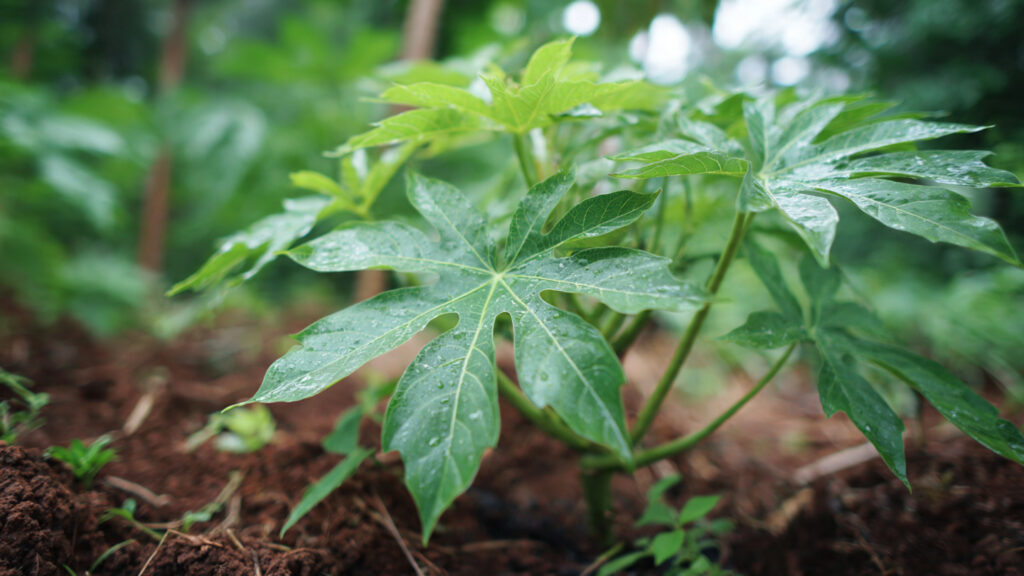
Papaya, with its tropical sweetness and nutrient-rich fruit, is a favorite for gardeners worldwide. But many people assume that growing papaya requires large garden space and sprawling plants. The good news is: you can grow dwarf papaya plants that fit even small yards, balconies, or terraces — and still enjoy bountiful fruit! 🌿🥭
Dwarfing papaya is not just about size; it’s about efficiency, easier maintenance, and maximum yield in compact spaces. In this guide, we’ll explore everything from selecting the right variety to pruning, fertilization, and harvesting strategies.
Why Dwarf Papaya Is Ideal for Small Spaces
Papaya trees in their natural form can grow 10–12 feet tall with wide-spreading crowns. This is perfect for large gardens but impractical for urban settings. Dwarf papaya solves this problem by offering:
- Compact growth — 3–6 feet tall
- Early fruiting — often within 6–8 months
- Ease of maintenance — less pruning and easier harvesting
- High yield per square foot — optimized for limited space
- Indoor or terrace cultivation potential
A dwarf papaya plant can transform a small balcony or backyard into a mini tropical orchard.
Step 1: Selecting the Right Dwarf Papaya Variety
Choosing the right variety is crucial for maximizing yield in small spaces. Not all papayas are naturally dwarf.
Recommended dwarf varieties:
- CO-7 – Compact, high yield, sweet fruits
- Red Lady – Popular dwarf variety with early fruiting
- Sunrise Solo – Disease-resistant, compact crown
- Tainung #2 – Ideal for container growing and small gardens
💡 Tip: Look for varieties labeled “dwarf” or “compact” to avoid overly tall plants.
Step 2: Propagating Dwarf Papaya
You can grow papaya from seeds or grafting. Both methods are effective:
From Seeds:
- Use seeds from a confirmed dwarf variety
- Soak seeds in water for 24 hours to speed germination
- Plant seeds in seedling trays or small pots with rich soil
- Keep soil moist but not waterlogged
- Seedlings typically sprout within 2–3 weeks
From Grafting (Optional for Space-Saving):
- Grafting a dwarf scion onto a vigorous rootstock can speed up early fruiting
- Produces uniform dwarf plants with high productivity
Step 3: Choosing the Perfect Container or Garden Spot
For small spaces, you can grow dwarf papaya in pots, raised beds, or even terrace planters.
Container Guidelines:
- Minimum size: 15–20 gallons
- Depth: at least 18–24 inches
- Use containers with good drainage
Soil Recommendations:
- Rich, loose, well-draining soil
- pH: 6–6.5
- Mix: 50% garden soil + 30% compost + 20% sand/perlite
Containers let you move plants to sunlight or protect them from strong winds, which is ideal for urban gardening.
Step 4: Optimal Sunlight and Microclimate
Papaya loves tropical warmth and full sun. For dwarf plants:
- Minimum 6–8 hours of direct sunlight daily
- Avoid heavy shade — leaves may yellow and fruit yield drops
- If growing on a terrace or balcony, ensure the spot is wind-protected, as papaya stems are delicate
💡 Tip: In colder regions, move container-grown dwarf papaya indoors during winter or provide temporary covers.
Step 5: Pruning and Dwarfing Techniques
Pruning is key to controlling height while maximizing fruit production.
How to prune dwarf papaya:
- Remove weak, damaged, or crowded leaves regularly
- Pinch the apical shoot to stop vertical growth once the plant reaches desired height
- Encourage lateral branching — more branches = more flowers = more fruits
This method reduces plant height without compromising yield. A well-pruned dwarf papaya can produce fruit from the main stem and lateral branches, increasing harvest frequency.
Step 6: Fertilization for Maximum Yield
Dwarf papaya is a heavy feeder, especially when fruiting. Proper nutrition is essential.
Feeding Schedule:
- Early growth: Nitrogen-rich fertilizer to boost leafy growth
- Flowering stage: Balanced NPK (10-10-10) to support flowering
- Fruiting stage: Potassium-rich fertilizer for larger, sweeter fruits
Organic Boosters:
- Compost or vermicompost every 3–4 weeks
- Liquid fertilizers like fish emulsion or banana peel extract
- Mulching around the base to retain moisture and improve soil fertility
Consistent fertilization ensures continuous flowering and high yield, even in small containers.
➡️ How to Grow Malabar Spinach from Cuttings for Fast, Easy Greens
➡️ How to Grow Super Delicious Cabbage at Home Without a Garden
➡️ How to Grow Bean Sprouts at Home in Plastic Bottles Easily (Step‑by‑Step Guide)
➡️ Why is Your Lemon Tree Blooming in the Heart of Winter?
➡️ Why Should Your Garden Have a Dedicated Pollinator Highway?
➡️ Why Do Your Fruit Trees Need a Winter Wash to Thrive in Spring?
➡️ How Can Rice Water Transform Your Fruits into Sweeter Delights?
➡️ Jumpstart Your Winter Garden: Seed Starting Under Lights
Step 7: Watering Techniques
Proper watering is critical for small-space dwarf papaya:
- Keep soil evenly moist
- Avoid waterlogging — papaya roots are prone to rot
- Water deeply 2–3 times a week in hot climates, less in cooler months
- Mulch to reduce evaporation and stabilize soil moisture
💡 Tip: Container-grown papayas dry faster than ground-planted ones, so monitor soil daily in summer.
Step 8: Pollination for Fruit Set
Papaya plants can be male, female, or hermaphrodite:
- Hermaphrodite plants (both male and female flowers) are ideal for high fruit production in small spaces
- If using female plants only, hand-pollination may be necessary
Hand-pollination method:
- Transfer pollen from male to female flower with a small brush
- Do this early morning for best results
Hand-pollination significantly improves fruit set in rooftop or small-space gardens.
Step 9: Managing Common Dwarf Papaya Challenges
1. Leaf Yellowing
- Causes: Nutrient deficiency, poor drainage, or overwatering
- Solution: Fertilize, improve drainage, and monitor watering
2. Fruit Drop
- Causes: Irregular watering or lack of pollination
- Solution: Consistent moisture and hand-pollinate if needed
3. Pests (Aphids, Mealybugs, Spider Mites)
- Solution: Neem oil spray or insecticidal soap
4. Disease (Powdery Mildew, Root Rot)
- Solution: Good airflow, avoid overcrowding, proper watering
With vigilant care, dwarf papaya plants remain healthy and highly productive.
Step 10: Harvesting Dwarf Papaya
Dwarf papaya begins fruiting earlier than full-size varieties:
- Harvest 6–9 months after planting from seeds
- Fruits are ready when the skin turns yellow-orange
- Pick fruits with a small stem attached to prevent damage
Yield Expectation:
- One dwarf papaya can produce 10–20 fruits per season
- With proper pruning and fertilization, yield can be even higher
- Continuous harvesting encourages new flowering and fruiting
Step 11: Benefits of Growing Dwarf Papaya in Small Spaces
- Compact size fits terraces, balconies, and small backyards
- Continuous yield in just one growing season
- Easy maintenance — less pruning, watering, and fertilizing than full-sized trees
- Urban-friendly — enjoy tropical fruit without a large garden
- Pesticide-free harvest — control nutrition and chemical exposure
Growing dwarf papaya is not just space-saving; it’s a lifestyle upgrade for urban gardeners who want fresh tropical fruit year-round.
Final Thoughts: Transform Your Small Space into a Mini Papaya Orchard
With careful variety selection, smart container choices, pruning, and consistent care, dwarf papaya plants can maximize yield in even the tiniest urban spaces. 🌿🥭
By controlling plant height, providing rich soil, proper watering, and hand-pollinating when necessary, you can enjoy a continuous supply of healthy, delicious papayas. Whether you have a terrace, balcony, or small backyard, this tropical wonder can thrive and reward you abundantly.
Dwarf papaya proves that space is never a limitation when technique meets care. Start today, and in just months, your small garden can turn into a fruitful tropical oasis.