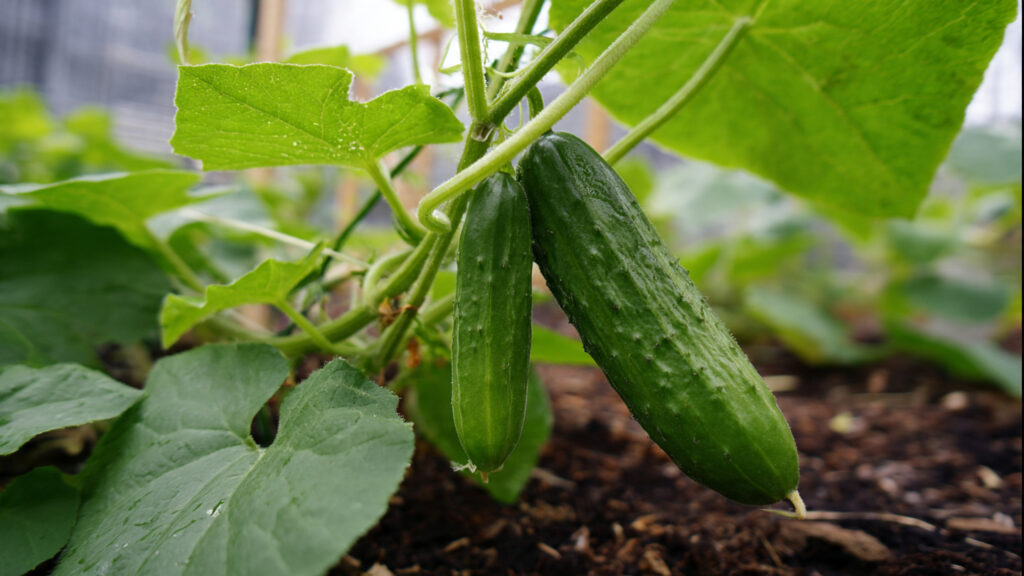
Growing cucumbers at home is one of the easiest and most rewarding ways to enjoy fresh vegetables without spending much money. Whether you have a small backyard, a terrace, or just a few containers, cucumbers can thrive with simple care and low-cost materials. With smart planning and basic techniques, you can harvest crisp, juicy cucumbers throughout the season without stretching your budget.
Cucumbers, scientifically known as Cucumber, are warm-season vegetables that grow quickly and produce generously. With the right tips, even beginner gardeners can achieve healthy plants and good yields using affordable, locally available resources.
Let’s explore simple TN gardening-style methods to grow cucumbers successfully on a budget.
1. Choose the Right Variety
Selecting the right cucumber variety is the first step toward success. In budget gardening, productivity and disease resistance matter most.
Look for:
- Local or open-pollinated varieties
- High-yielding types
- Heat-tolerant cultivars
Instead of buying expensive hybrid seeds every season, consider saving seeds from healthy open-pollinated cucumbers. This reduces recurring costs and ensures sustainable gardening.
2. Start from Seeds Instead of Seedlings
Buying nursery seedlings can be convenient but more expensive. Growing cucumbers from seeds is far cheaper and just as easy.
How to Start Seeds:
- Sow seeds directly in soil after the last frost.
- Plant 1 inch deep.
- Space seeds about 12–18 inches apart.
Cucumbers germinate quickly in warm soil, usually within 5–10 days. Direct sowing avoids transplant shock and eliminates extra expenses.
3. Prepare Low-Cost, Nutrient-Rich Soil
Healthy soil means healthy plants. Instead of buying expensive commercial potting mixes, you can create your own.
Budget Soil Mix:
- 40% garden soil
- 30% compost (homemade if possible)
- 20% coco peat or leaf mold
- 10% sand for drainage
Homemade compost from kitchen scraps is one of the best money-saving gardening strategies. It improves soil fertility without costing anything.
Cucumbers prefer loose, well-draining soil rich in organic matter. Good drainage prevents root rot and fungal problems.
4. Use Natural Fertilizers
Cucumbers are heavy feeders, but you don’t need costly chemical fertilizers.
Affordable Fertilizer Options:
- Compost tea
- Cow dung manure
- Vermicompost
- Banana peel liquid fertilizer
- Crushed eggshells for calcium
Apply compost every 3–4 weeks. During flowering and fruiting, feed plants with potassium-rich natural fertilizers to boost production.
Natural fertilizers not only save money but also improve long-term soil health.
5. Water Smartly to Reduce Costs
Water management plays a big role in successful cucumber cultivation.
➡️ How to Grow Malabar Spinach from Cuttings for Fast, Easy Greens
➡️ How to Grow Super Delicious Cabbage at Home Without a Garden
➡️ How to Grow Bean Sprouts at Home in Plastic Bottles Easily (Step‑by‑Step Guide)
➡️ Why is Your Lemon Tree Blooming in the Heart of Winter?
➡️ Why Should Your Garden Have a Dedicated Pollinator Highway?
➡️ Why Do Your Fruit Trees Need a Winter Wash to Thrive in Spring?
➡️ How Can Rice Water Transform Your Fruits into Sweeter Delights?
➡️ Jumpstart Your Winter Garden: Seed Starting Under Lights
Cucumbers need consistent moisture but not waterlogged soil.
Budget Watering Tips:
- Water early morning to reduce evaporation.
- Use mulch (dry leaves, straw, grass clippings) to retain moisture.
- Collect rainwater if possible.
Mulching is one of the simplest TN gardening methods. It reduces watering frequency and prevents weeds, saving both time and effort.
6. Make DIY Trellises
Cucumbers are vining plants that benefit greatly from vertical support. Instead of purchasing expensive garden trellises, make your own.
Simple Trellis Ideas:
- Bamboo sticks tied together
- Old wooden frames
- Recycled metal rods
- Nylon ropes attached to walls
- Old bed frames
Vertical growing saves space and improves airflow, reducing disease problems. It also makes harvesting easier.
In small gardens or terraces, vertical gardening is one of the most effective budget-friendly techniques.
7. Control Pests Naturally
Pest control can become expensive if relying on chemical sprays. Instead, use natural solutions.
Common Cucumber Pests:
- Aphids
- Whiteflies
- Spider mites
- Cucumber beetles
Budget-Friendly Solutions:
- Neem oil spray
- Soap water spray
- Garlic-chili spray
- Hand-picking pests
Planting companion plants like marigolds can also deter pests naturally.
Regular inspection prevents infestations from spreading and saves money on treatments.
8. Practice Crop Rotation
If you grow cucumbers in the ground, avoid planting them in the same spot each year. Crop rotation prevents soil-borne diseases and improves soil fertility.
Rotate with:
- Legumes
- Leafy greens
- Root vegetables
This simple practice reduces the need for fertilizers and pesticides over time.
9. Encourage Pollination
Cucumbers require pollination for fruit production. Encouraging pollinators increases yield without extra cost.
How to Boost Pollination:
- Grow flowering plants nearby.
- Avoid spraying chemicals during flowering.
- Hand-pollinate if needed using a small brush.
Healthy pollination leads to better fruit shape and higher productivity.
10. Prune for Better Yield
Light pruning improves airflow and directs energy toward fruit production.
Remove:
- Yellowing leaves
- Weak side shoots
- Diseased foliage
Pruning also helps prevent fungal issues, reducing the need for treatments.
11. Grow in Containers for Small Spaces
If you lack garden space, cucumbers grow well in containers.
Budget Container Tips:
- Use recycled buckets or paint containers.
- Ensure proper drainage holes.
- Minimum 12-inch deep container recommended.
Container gardening allows flexibility and is perfect for terraces or balconies. Just ensure plants receive 6–8 hours of sunlight daily.
12. Harvest at the Right Time
Timely harvesting encourages continuous production.
Pick cucumbers when:
- They are firm
- Skin is bright green
- Seeds are still tender
Overripe cucumbers reduce further fruiting. Frequent harvesting signals the plant to produce more fruits.
13. Save Seeds for Next Season
One of the best money-saving tips is seed saving.
To save seeds:
- Select a healthy, mature cucumber.
- Allow it to fully ripen on the vine.
- Scoop out seeds and wash thoroughly.
- Dry completely before storing.
Store seeds in a cool, dry place. This simple method eliminates the need to buy seeds every season.
14. Manage Common Problems on a Budget
Yellow Leaves
Usually caused by nutrient deficiency or overwatering. Add compost and adjust watering.
Bitter Cucumbers
Often due to irregular watering or heat stress. Maintain consistent moisture.
Powdery Mildew
Improve airflow and apply diluted milk spray as a natural remedy.
Early detection prevents bigger losses and avoids expensive treatments.
15. Maximize Yield with Succession Planting
Instead of planting all seeds at once, sow new seeds every 2–3 weeks during the growing season. This ensures continuous harvest and reduces the risk of total crop failure.
Succession planting keeps your kitchen supplied with fresh cucumbers for a longer period.
Benefits of Budget Cucumber Gardening
Growing cucumbers using simple TN gardening methods offers many advantages:
- Low initial investment
- Fresh, chemical-free produce
- Better taste compared to store-bought
- Sustainable and eco-friendly
- Suitable for small spaces
Cucumbers grow fast and reward even minimal effort. With proper care, one plant can produce dozens of fruits in a season.
Final Thoughts
Growing cucumbers on a budget is not only possible but highly practical. By starting from seeds, preparing homemade compost, using DIY trellises, applying natural fertilizers, and managing pests organically, you can cultivate healthy cucumber plants without spending much money.
The key is consistency — regular watering, pruning, feeding, and monitoring. With simple TN gardening methods, even small spaces can produce abundant harvests.
Fresh cucumbers from your garden are crisp, flavorful, and satisfying. By following these cost-effective tips, you can enjoy a steady supply of homegrown cucumbers while keeping expenses minimal.