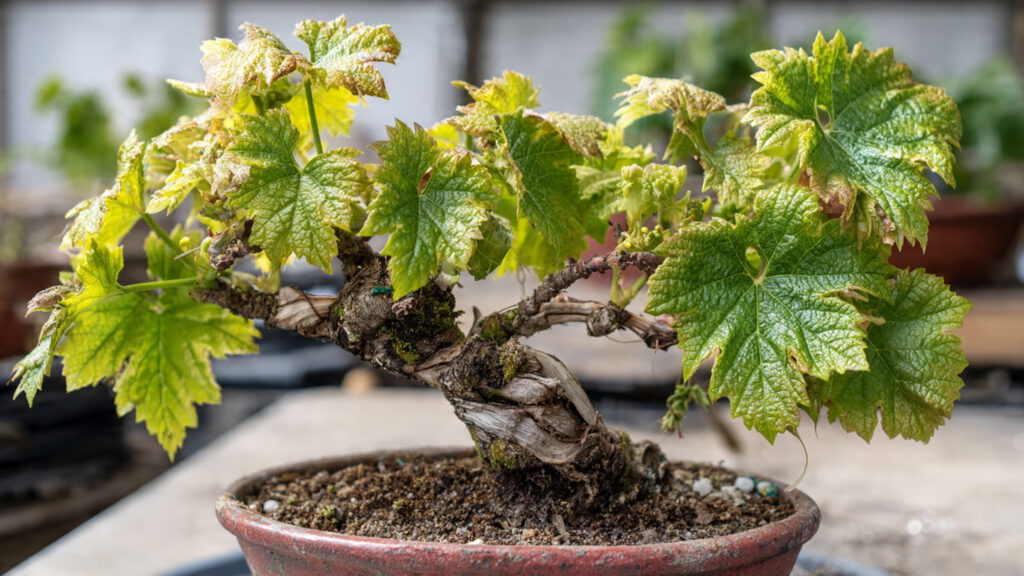
Planting grape cuttings is one of the most rewarding experiences for home gardeners. What begins as a simple woody stem planted in soil can transform, within months, into a vigorous vine bursting with lush green growth. If you’ve ever wondered what happens eight months after planting grape cuttings, the transformation may surprise you. With proper care, patience, and the right techniques, grape cuttings can develop into strong, thriving plants that set the foundation for years of fruitful harvests.
This article walks you through the incredible growth journey of grape cuttings over eight months, what results to expect, and how to maximize success in your home garden.
The First Stage: Root Development and Early Shoots
When you first plant grape cuttings, most of the visible action happens below the soil surface. During the first 4–6 weeks, the cutting focuses on developing roots. Healthy cuttings begin forming callus tissue at the base, which eventually produces roots.
Above ground, small buds start swelling and pushing out tender green shoots. These early shoots are delicate and require protection from harsh sunlight, wind, and excessive watering. Proper soil moisture is essential—slightly moist but never waterlogged.
By the end of the first two months, successful cuttings typically have:
- Established root systems
- 1–3 healthy shoots
- Leaves actively performing photosynthesis
This early growth sets the stage for dramatic development in the months ahead.
Months Three to Five: Rapid Vine Growth
Between the third and fifth months, grape cuttings shift into vigorous growth mode. Once roots are firmly established, the plant directs energy toward vine expansion. This is when you’ll begin to see impressive upward and outward growth.
Healthy grape vines can grow several feet during this period. You may notice:
- Strong main stems thickening
- Lateral shoots forming
- Leaves increasing in size and number
- Tendrils developing for climbing support
At this stage, providing proper support is crucial. Install a trellis, arbor, or wire system to train the vine upward. Grapes are natural climbers, and guiding their growth prevents tangling and improves air circulation.
Feeding the plant with compost or a balanced fertilizer encourages steady growth. However, avoid excessive nitrogen, which can cause too much leafy growth at the expense of structural strength.
Month Six: Strengthening and Structural Development
By month six, your grape cutting has likely transformed into a recognizable vine. The main stem thickens, and secondary branches begin to form. This stage is critical for shaping the future structure of your grapevine.
Training becomes essential. Select one or two strong shoots to serve as the primary trunk. Remove weak or overcrowded shoots to concentrate energy into the strongest growth.
Pruning at this stage may feel counterintuitive, but it promotes:
- Stronger trunk development
- Better airflow
- Reduced disease risk
- Improved long-term fruit production
Healthy vines at six months often reach 4–6 feet in length, depending on variety and climate conditions.
Month Seven: Mature Leaf Canopy Formation
As the vine enters its seventh month, foliage becomes denser. The plant now has a well-developed root system capable of supporting significant top growth.
➡️ How to Grow Malabar Spinach from Cuttings for Fast, Easy Greens
➡️ How to Grow Super Delicious Cabbage at Home Without a Garden
➡️ How to Grow Bean Sprouts at Home in Plastic Bottles Easily (Step‑by‑Step Guide)
➡️ Why is Your Lemon Tree Blooming in the Heart of Winter?
➡️ Why Should Your Garden Have a Dedicated Pollinator Highway?
➡️ Why Do Your Fruit Trees Need a Winter Wash to Thrive in Spring?
➡️ How Can Rice Water Transform Your Fruits into Sweeter Delights?
➡️ Jumpstart Your Winter Garden: Seed Starting Under Lights
The canopy begins to spread across the trellis or support system. Leaves are broad, vibrant green, and actively converting sunlight into energy.
This phase showcases the plant’s incredible resilience and adaptability. Compared to the small cutting planted months earlier, the transformation is dramatic. Gardeners often feel amazed by how quickly grapevines establish themselves when given proper care.
During this stage:
- Continue tying vines gently to supports
- Remove suckers at the base
- Monitor for pests such as aphids or spider mites
- Ensure consistent watering during dry spells
Avoid overwatering, as established grapevines prefer slightly dry conditions between waterings.
Month Eight: The Incredible Results You Must See
Eight months after planting grape cuttings, the results can be truly impressive. In favorable growing conditions, your vine may now:
- Reach 6–10 feet in length
- Have a thickened, woody main stem
- Display multiple lateral branches
- Show strong tendril attachment to supports
- Develop a fully established root network
While most grape varieties do not produce fruit in their first year, some vigorous plants may show small flower clusters under optimal conditions. However, it’s generally recommended to remove first-year flowers to allow the plant to focus on structural development.
The most remarkable result at eight months is the plant’s transformation from a dormant stick into a thriving vine with clear potential for future harvests.
Factors That Influence Growth Success
Not all grape cuttings grow at the same rate. Several factors determine how dramatic your eight-month results will be:
1. Sunlight
Grapes require full sun—at least 6–8 hours daily. Insufficient light leads to weak growth and thin vines.
2. Soil Quality
Well-drained, slightly sandy or loamy soil promotes strong root development. Heavy clay soils can slow growth.
3. Water Management
Overwatering is one of the most common mistakes. Grapevines prefer deep but infrequent watering.
4. Climate
Warm climates with long growing seasons encourage faster development. In cooler areas, growth may be slower but still steady.
5. Pruning and Training
Proper training during the first year determines the vine’s future productivity and strength.
Common Mistakes to Avoid
If your grape cutting doesn’t show impressive growth after eight months, one of these issues may be responsible:
- Planting in poorly drained soil
- Over-fertilizing with nitrogen
- Lack of structural support
- Ignoring early pruning
- Allowing weeds to compete for nutrients
Correcting these mistakes early can significantly improve vine performance.
What Comes Next After Eight Months?
Reaching the eight-month mark is just the beginning of your grape-growing journey. The first year focuses primarily on building a strong framework. During the dormant season, proper pruning shapes the vine for next year’s growth.
In the second year, many grapevines begin producing small but meaningful harvests. By the third year, a well-trained vine can yield a substantial crop of sweet, juicy grapes.
The patience invested during the first eight months pays off in the form of a healthy vine capable of producing fruit for decades.
The Emotional Reward of Watching Growth
Beyond the technical achievements, there is something deeply satisfying about nurturing grape cuttings into thriving vines. Watching new leaves unfurl, training tendrils along a trellis, and witnessing rapid growth creates a strong connection between gardener and plant.
Eight months may seem like a long time at the beginning, but once you see the transformation, it feels incredibly worthwhile. The visible progress is a testament to consistent care, patience, and attention to detail.
Final Thoughts
Eight months after planting grape cuttings, the transformation can be nothing short of incredible. What started as a simple cutting evolves into a vigorous vine with strong roots, thick stems, and expansive foliage. While fruit production may still be a season away, the structural foundation built during this period is essential for long-term success.
By providing proper sunlight, well-drained soil, consistent watering, and thoughtful pruning, you can achieve remarkable growth results in less than a year. The journey from cutting to thriving vine demonstrates nature’s resilience and the power of attentive gardening.
If you’re considering planting grape cuttings, take the leap. Eight months from now, you may be standing beside a flourishing vine, amazed at the growth and excited for the abundant harvests that lie ahead.