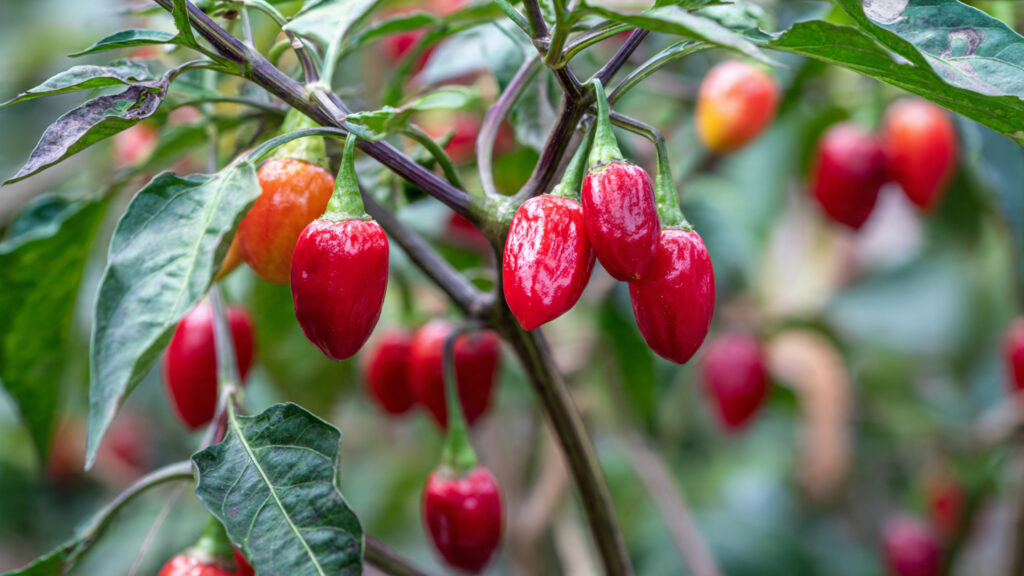
Imagine a single chili plant so loaded with peppers that its branches bend under the weight. Clusters upon clusters of fiery pods glow in shades of green, red, yellow, or orange—creating a breathtaking display and a harvest that seems almost unbelievable. Welcome to the world of high-yield chili cultivation, where certain varieties of Capsicum annuum and its relatives can produce an astonishing number of fruits when grown under optimal conditions.
In this article, we’ll explore what makes some chili plants incredibly productive, which varieties are known for extreme fruiting, and how you can grow your own “chili harvest explosion” at home.
The Power of the Chili Plant
Chili peppers belong to the Capsicum genus and are cultivated worldwide for culinary, medicinal, and ornamental purposes. Though there are multiple species—including Capsicum frutescens and Capsicum chinense—the most commonly grown species for heavy fruit production is Capsicum annuum.
What makes chili plants so productive?
- Continuous flowering habit
- Self-pollinating flowers
- Fast fruit development cycle
- Ability to thrive in containers or open fields
- Strong response to pruning and feeding
Under ideal care, a single well-managed chili plant can produce hundreds—and in rare cases, over a thousand—fruits during one growing season.
Which Chili Plant Produces the Most Fruits?
While there is no single official “world record” plant universally recognized, some varieties are famous for their exceptional productivity.
1. Thai Bird’s Eye Chili
Small but extremely prolific, Thai bird’s eye chilies grow in tight clusters. One healthy plant can produce several hundred small peppers over its lifetime.
2. Super Chili Hybrid
This compact ornamental variety is known for heavy fruiting. It produces upright clusters of brightly colored chilies continuously for months.
3. Tabasco Chili
Belonging to Capsicum frutescens, Tabasco plants are highly productive and bear fruit abundantly under warm conditions.
4. Pequin Chili
Tiny but mighty, Pequin chilies are known for bushy plants covered in small, fiery fruits.
In optimal greenhouse conditions with expert care, some growers report harvests exceeding 1,000 fruits per plant—especially with small-fruited varieties.
The Secret Behind Massive Chili Yields
Extreme fruit production doesn’t happen by accident. It’s the result of careful cultivation techniques combined with the right genetics.
Here’s how growers achieve explosive yields:
1. Choosing High-Yield Varieties
Start with seeds known for heavy fruiting. Hybrid varieties are often bred specifically for productivity, disease resistance, and uniform growth.
Look for:
➡️ How to Grow Malabar Spinach from Cuttings for Fast, Easy Greens
➡️ How to Grow Super Delicious Cabbage at Home Without a Garden
➡️ How to Grow Bean Sprouts at Home in Plastic Bottles Easily (Step‑by‑Step Guide)
➡️ Why is Your Lemon Tree Blooming in the Heart of Winter?
➡️ Why Should Your Garden Have a Dedicated Pollinator Highway?
➡️ Why Do Your Fruit Trees Need a Winter Wash to Thrive in Spring?
➡️ How Can Rice Water Transform Your Fruits into Sweeter Delights?
➡️ Jumpstart Your Winter Garden: Seed Starting Under Lights
- Compact bushy growth
- Multiple branching stems
- Continuous flowering traits
- Disease resistance
The right genetics lay the foundation for a massive harvest.
2. Providing Maximum Sunlight
Chili plants are sun lovers. They require:
- 6–8 hours of direct sunlight daily
- Warm temperatures between 20–35°C
- Protection from frost
Insufficient sunlight reduces flowering and fruit set. More light means more energy for fruit production.
3. Perfect Soil and Drainage
Chili plants thrive in:
- Well-draining soil
- Slightly acidic to neutral pH (6.0–7.0)
- Organic matter-rich growing medium
Poor drainage can lead to root rot, reducing plant health and productivity.
Adding compost improves soil fertility and microbial activity, directly supporting fruit production.
4. Strategic Pruning for More Branches
One powerful trick for explosive yields is early pruning.
When the plant reaches 6–8 inches tall:
- Pinch off the top growing tip
- Encourage side branching
- Create a bushier plant structure
More branches mean more flowering points—and ultimately more chilies.
5. Balanced Fertilization
Chili plants need the right nutrient balance at different growth stages.
Vegetative Stage:
- Higher nitrogen for leaf and branch development
Flowering and Fruiting Stage:
- Higher phosphorus and potassium
- Reduced nitrogen to prevent excessive leaf growth
Organic options include:
- Compost tea
- Bone meal
- Banana peel fertilizer
- Vermicompost
Over-fertilizing with nitrogen can result in lush foliage but fewer fruits.
6. Consistent Watering
Chili plants prefer evenly moist soil—not soggy and not bone dry.
Best practices:
- Water deeply but allow topsoil to dry slightly
- Avoid waterlogging
- Mulch to retain moisture
Irregular watering can cause blossom drop or misshapen fruits.
7. Encouraging Pollination
Although chilies are self-pollinating, pollination improves fruit set.
Indoors or in low-wind areas:
- Gently shake plants during flowering
- Use a soft brush to transfer pollen
- Ensure good air circulation
Better pollination equals more fruit development.
8. Stress Management for Higher Yield
Interestingly, mild stress can sometimes boost fruiting.
Examples include:
- Slight root restriction in containers
- Controlled watering
- Pruning older leaves
However, severe stress (heatwaves, pests, drought) reduces yield dramatically.
9. Pest and Disease Control
High fruit production requires healthy plants.
Common chili pests:
- Aphids
- Whiteflies
- Spider mites
- Thrips
Organic control options:
- Neem oil spray
- Insecticidal soap
- Strong water spray
Healthy plants channel more energy into fruit rather than fighting infections.
Growing Chili in Containers for Maximum Production
Chili plants perform exceptionally well in containers.
Container tips:
- Use 10–15 liter pots for optimal root growth
- Ensure drainage holes
- Use lightweight, rich potting mix
- Rotate pots for even sunlight
Container-grown chilies can sometimes produce more fruit due to controlled conditions.
How Long Does a Chili Plant Produce?
In warm climates, chili plants can produce fruit continuously for 6–8 months.
In tropical regions, some plants behave as short-lived perennials and produce for over a year.
Harvesting frequently encourages more fruiting. When ripe chilies are removed, the plant continues flowering to reproduce.
The Visual Impact of a Fully Loaded Chili Plant
A high-yield chili plant isn’t just productive—it’s stunning.
Imagine:
- Dozens of bright red peppers glowing in sunlight
- Upright clusters covering every branch
- Continuous waves of flowers and fruits
- A living bouquet of color and spice
Some ornamental chili varieties are grown specifically for their explosive fruit display.
Can One Plant Really Produce Over 1,000 Chilies?
Under exceptional care and ideal climate conditions, yes—particularly with small-fruited varieties.
Factors required:
- Extended growing season
- Warm temperatures
- Excellent soil health
- Regular feeding
- Proper pruning
- Pest-free environment
Commercial growers in controlled greenhouse systems sometimes achieve remarkable production numbers.
Harvesting for Maximum Yield
To keep fruit production high:
- Harvest regularly once peppers ripen
- Use scissors to avoid damaging branches
- Avoid leaving too many overripe fruits on the plant
Frequent harvesting signals the plant to continue producing.
Final Thoughts
The idea of a chili plant producing hundreds—or even over a thousand—fruits may sound extraordinary, but it’s absolutely achievable with the right variety and proper care. Species like Capsicum annuum and its relatives are naturally designed for abundant fruiting.
By combining:
- High-yield genetics
- Proper sunlight
- Balanced nutrition
- Smart pruning
- Consistent watering
- Effective pest control
You can create your own chili harvest explosion right at home.
Whether grown in a backyard garden, balcony container, or greenhouse, chili plants reward attentive growers with dazzling displays and fiery harvests. With the right approach, your plant might not just produce a few peppers—it could become a fruit-loaded marvel that surprises everyone who sees it.