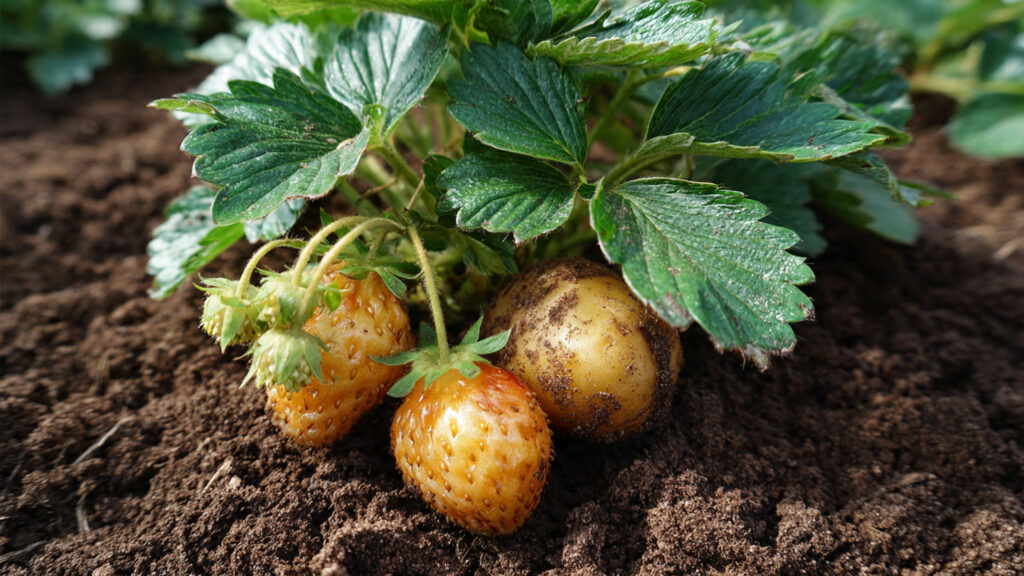
Strawberries are one of the most beloved fruits worldwide, cherished for their sweetness, vibrant color, and versatility. But growing them successfully at home can sometimes be challenging. Many gardeners struggle with low survival rates when propagating strawberry plants from runners or seeds. What if there was a simple, highly effective method that could guarantee almost 100% success? Enter the revolutionary potato method—a clever home technique that not only boosts survival but also ensures healthier, more productive strawberry plants.
Why Traditional Strawberry Propagation Can Be Tricky
Strawberries are typically propagated in three ways: seeds, runners, or tissue culture. Each has its challenges:
- Seeds – Growing strawberries from seeds is slow and unpredictable. Germination can be erratic, and seedlings may take months before producing fruit.
- Runners – While runners are faster, they are prone to drying out or failing to root properly, especially in home gardens with inconsistent care.
- Tissue Culture – Highly effective but requires a laboratory setup, making it impractical for most home gardeners.
These challenges often lead to frustration, wasted plants, and delayed harvests. Fortunately, there’s a creative, simple solution: using potatoes as a natural rooting medium for strawberry runners.
How Potatoes Help Strawberry Propagation
Potatoes are more than just a versatile food—they are a natural growth enhancer for strawberries. Here’s why this method works so well:
1. Nutrients for Faster Root Development
Potatoes contain carbohydrates, vitamins, and minerals that feed the strawberry runner while it develops roots. This provides a steady source of energy and reduces transplant shock, resulting in higher survival rates.
2. Moisture Retention
Potatoes naturally hold moisture, creating a damp environment that encourages rooting. Unlike soil alone, a potato keeps the runner hydrated without the risk of overwatering or root rot.
3. Protection Against Environmental Stress
The potato acts as a protective barrier against fluctuating temperatures, direct sunlight, and pests. It shields the young roots, allowing the plant to establish itself more confidently.
4. Boosts Success Rate
By combining nutrition, moisture, and protection, this method significantly increases rooting success—almost guaranteeing 100% establishment if done correctly.
Step-by-Step Guide to Strawberry Propagation Using Potatoes
Follow these simple steps to propagate strawberries at home using potatoes:
Materials Needed
- Healthy strawberry plants with runners
- Medium-sized potatoes
- Sharp knife or spoon
- Toothpicks or small stakes (optional)
- Potting soil or garden bed
Step 1: Select Healthy Strawberry Runners
Choose runners that are green, flexible, and free from disease or damage. Avoid yellowing or wilted runners, as they are less likely to root successfully.
Step 2: Prepare the Potato
Wash a medium-sized potato thoroughly. Using a sharp knife or spoon, scoop out a small cavity large enough to accommodate the tip of the runner. The potato acts as a nutrient-filled container for the young roots.
Step 3: Insert the Runner Tip into the Potato
Gently place the tip of the strawberry runner into the cavity. Ensure that the runner is in contact with the potato tissue. For stability, you can use a toothpick or small stake to keep it upright if needed.
Step 4: Plant the Potato in Soil
Place the potato, with the runner attached, into a pot or garden bed. Cover the base lightly with soil, leaving the strawberry leaves exposed to sunlight. Ensure the soil is well-draining and fertile.
Step 5: Water Consistently
Keep the soil moist but not soggy. The potato will retain moisture, reducing the risk of drying out. Water the plant gently to avoid disturbing the rooting process.
Step 6: Provide Proper Sunlight and Care
Strawberries need at least 6 hours of sunlight daily. Monitor for pests like aphids or slugs, and ensure the leaves remain healthy. Avoid using chemical fertilizers during the rooting phase; the potato provides sufficient nutrition.
➡️ How to Grow Malabar Spinach from Cuttings for Fast, Easy Greens
➡️ How to Grow Super Delicious Cabbage at Home Without a Garden
➡️ How to Grow Bean Sprouts at Home in Plastic Bottles Easily (Step‑by‑Step Guide)
➡️ Why is Your Lemon Tree Blooming in the Heart of Winter?
➡️ Why Should Your Garden Have a Dedicated Pollinator Highway?
➡️ Why Do Your Fruit Trees Need a Winter Wash to Thrive in Spring?
➡️ How Can Rice Water Transform Your Fruits into Sweeter Delights?
➡️ Jumpstart Your Winter Garden: Seed Starting Under Lights
Step 7: Monitor Root Development
Within 2–3 weeks, small roots will begin to grow into the potato and soil. By the 4th week, your runner should be well-established, ready to thrive independently. At this stage, the potato can be left in place or removed carefully.
Tips to Maximize Success
- Choose Organic Potatoes – Organic potatoes are free from pesticides, making them safer for young plants.
- Avoid Overcrowding – Plant one runner per potato to ensure each has enough nutrients and space.
- Use Mulch – Mulching around the potato keeps the soil temperature stable and reduces water evaporation.
- Gradual Acclimation – If moving the plants outdoors, gradually expose them to full sun over 5–7 days to avoid shock.
- Fertilize Later – Once the runner is established, switch to a balanced fertilizer to promote flowering and fruiting.
Advantages of the Potato Method
1. High Survival Rate
Unlike traditional methods, this technique nearly guarantees success. Home gardeners often report almost 100% rooting success using potatoes.
2. Stronger, Healthier Plants
Plants rooted in potatoes develop robust root systems, making them more resilient to drought, pests, and transplant shock.
3. Cost-Effective and Simple
No specialized equipment or chemicals are required—just a few potatoes, soil, and strawberry runners.
4. Faster Fruit Production
Since the plant starts with a strong root system, fruiting often occurs earlier than in traditionally propagated runners.
Frequently Asked Questions
Q1: Can any potato be used?
Yes, but medium-sized, firm potatoes are ideal. Avoid soft, sprouting, or diseased potatoes.
Q2: Can this method be used for other plants?
While most effective with strawberries, some gardeners experiment with herbs or soft vegetables. Results vary depending on the plant.
Q3: Is it safe to eat strawberries grown this way?
Absolutely! The potato is only used as a rooting medium. By the time fruiting occurs, the potato does not affect the fruit.
Q4: What if the potato rots?
Ensure well-draining soil and moderate watering. A rotting potato may harm the runner, so monitor soil moisture carefully.
Conclusion
The revolutionary potato method is a game-changer for home gardeners who want a highly reliable way to propagate strawberries. By combining the natural nutrients, moisture retention, and protective qualities of a potato, you can achieve near-perfect success rates, grow healthier plants, and enjoy early, abundant harvests.
Whether you are a beginner gardener or an experienced strawberry grower, this simple technique eliminates the uncertainty of propagation, turning a once-frustrating process into a fun and rewarding experience. With minimal effort and everyday materials, you can multiply your strawberry plants efficiently, sustainably, and with incredible results.
Start today, experiment with your favorite strawberry varieties, and witness the magic of potatoes transforming ordinary runners into thriving, fruitful plants. Your homegrown strawberries are about to get sweeter than ever!