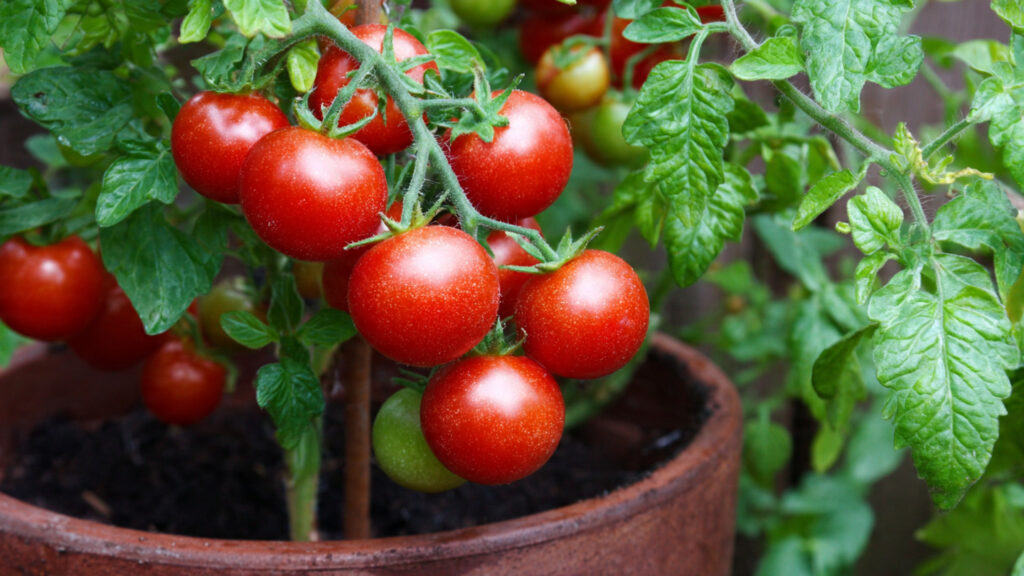
Tomatoes are one of the most popular vegetables for home gardeners, prized for their juicy fruits and versatility in the kitchen. But what if you don’t have a garden? The good news is that you can grow high-yielding tomatoes using containers, making fresh, homegrown tomatoes accessible even on balconies, patios, or small apartments. With the right techniques and care, container-grown tomatoes can thrive and produce abundant harvests.
This guide will walk you through the entire process of growing tomatoes without a garden, from selecting containers and soil to fertilization, watering, and harvesting for maximum yield.
Why Choose Container Tomatoes?
Growing tomatoes in containers offers several advantages:
- Ideal for small spaces and urban living
- Prevents soil-borne diseases often found in garden beds
- Provides better control over water, nutrients, and sunlight
- Easy to manage pest control
- Can be moved to optimize sunlight or protect from harsh weather
With the right container and care routine, tomatoes can flourish just as well as in traditional garden beds.
Step 1: Select the Right Tomato Varieties
Not all tomato varieties are equally suitable for container cultivation. Determinate (bushy) and indeterminate (vining) types differ in growth habit and care requirements.
Recommended Varieties for Containers:
- Determinate varieties: Grow to a fixed size, ideal for smaller containers, and produce fruits in a concentrated period. Examples: Roma, Bush Early Girl.
- Indeterminate varieties: Grow and produce fruit continuously; require larger containers and support structures. Examples: Sungold, Beefsteak.
Choose a variety based on your container size, space, and harvest goals.
Step 2: Choose the Right Container
Container selection is critical for tomato health and yield.
Container Features:
- Size: Minimum 12–15 inches in diameter for determinate types; 18–24 inches for indeterminate types.
- Depth: At least 12–18 inches to accommodate deep roots.
- Drainage: Ensure multiple holes to prevent waterlogging.
Materials like plastic, terracotta, or fabric pots all work well. Fabric pots encourage air pruning of roots, which promotes healthier growth.
Step 3: Prepare a Nutrient-Rich Soil Mix
Tomatoes thrive in well-draining, nutrient-rich soil.
Ideal Soil Mix for Containers:
- 1 part garden or potting soil
- 1 part compost or well-rotted organic matter
- 1 part perlite or vermiculite for aeration
Ensure the soil is slightly acidic to neutral (pH 6.0–7.0). Avoid garden soil alone, as it may be too dense and prone to compaction in pots.
Step 4: Planting Tomato Seedlings
Starting from seedlings rather than seeds ensures quicker fruiting.
Steps:
- Fill the container with prepared soil, leaving 2–3 inches at the top.
- Plant seedlings deeply, burying at least half the stem. This encourages strong root development.
- Firm the soil gently around the roots.
- Water thoroughly to settle the soil.
Planting deep allows the stem to develop additional roots, increasing nutrient absorption and plant stability.
Step 5: Provide Proper Sunlight
Tomatoes are sun-loving plants. For optimal growth:
- Provide 6–8 hours of direct sunlight daily.
- Rotate containers occasionally to ensure all sides receive light.
- If growing indoors, consider placing containers near a south-facing window or using supplemental grow lights.
Adequate sunlight encourages vigorous growth, flowering, and fruiting.
Step 6: Support Structures
Most container tomatoes, especially indeterminate varieties, require support to prevent sprawling and breakage.
➡️ How to Grow Malabar Spinach from Cuttings for Fast, Easy Greens
➡️ How to Grow Super Delicious Cabbage at Home Without a Garden
➡️ How to Grow Bean Sprouts at Home in Plastic Bottles Easily (Step‑by‑Step Guide)
➡️ Why is Your Lemon Tree Blooming in the Heart of Winter?
➡️ Why Should Your Garden Have a Dedicated Pollinator Highway?
➡️ Why Do Your Fruit Trees Need a Winter Wash to Thrive in Spring?
➡️ How Can Rice Water Transform Your Fruits into Sweeter Delights?
➡️ Jumpstart Your Winter Garden: Seed Starting Under Lights
Support Options:
- Cages: Cylindrical wire cages around the plant.
- Stakes: Single tall stakes tied with soft ties.
- Trellises: Vertical frameworks for vining varieties.
Providing support improves airflow, reduces disease risk, and keeps fruits off the soil, maintaining cleanliness and quality.
Step 7: Watering Correctly
Consistent moisture is crucial for container tomatoes. Unlike garden beds, containers dry out faster and require careful monitoring.
Watering Tips:
- Keep soil evenly moist but not waterlogged.
- Water deeply to encourage strong root growth.
- Mulch the soil surface with straw, shredded leaves, or cocopeat to retain moisture.
- Water at the base to avoid wetting foliage, reducing the risk of fungal diseases.
Check soil daily during hot weather, as containers can dry rapidly.
Step 8: Fertilization for High Yield
Container tomatoes require regular feeding because nutrients leach out with frequent watering.
Fertilization Guidelines:
- Use a balanced fertilizer (N-P-K 10-10-10) or tomato-specific fertilizer.
- Feed every 2–3 weeks during the growing season.
- Organic options: compost tea, fish emulsion, or liquid seaweed.
- Avoid excessive nitrogen, which promotes leafy growth at the expense of fruiting.
Consistent fertilization supports continuous flowering and fruit production.
Step 9: Pruning and Pinching
Pruning improves airflow and encourages larger, healthier fruits.
Tips:
- Remove suckers: Small shoots between the main stem and branches can divert energy.
- Trim lower leaves: Remove leaves that touch the soil to reduce disease risk.
- Pinch flowers early on: Focus on strong vegetative growth before heavy fruiting.
Pruning creates a manageable plant structure and improves sunlight exposure to all branches.
Step 10: Pest and Disease Management
Container tomatoes are generally less prone to pests, but vigilance is important.
Common Issues:
- Aphids, whiteflies, and spider mites
- Fungal diseases such as blight or powdery mildew
Prevention:
- Inspect plants regularly
- Maintain good air circulation around containers
- Avoid overhead watering
- Use organic pest controls, such as neem oil or insecticidal soap
Healthy plants in well-draining soil are naturally more resilient.
Step 11: Harvesting Tomatoes
Knowing when and how to harvest ensures maximum flavor.
- Pick fruits when fully colored and slightly soft to the touch.
- Harvest regularly to encourage continued production.
- Avoid letting ripe tomatoes remain on the vine too long, as this slows new flowering.
Determinate varieties produce fruit over a shorter period, while indeterminate types yield continuously.
Step 12: Maximizing Yield in Limited Space
Even small balconies can produce abundant tomatoes with proper care.
- Use vertical space with trellises or hanging baskets.
- Grow companion plants in the same container (e.g., basil) to enhance growth and repel pests.
- Succession planting: start new seedlings as soon as older plants decline.
A small area can yield surprising amounts of fresh tomatoes with the right strategy.
Step 13: Seasonal Considerations
Tomatoes thrive in warm temperatures (20–30°C / 68–86°F).
- Protect containers from frost in colder climates.
- During extreme heat, provide partial shade during peak afternoon hours.
- Indoor container cultivation allows year-round growing with proper lighting.
Seasonal adjustments ensure consistent productivity and plant health.
Step 14: Benefits of Container Tomato Gardening
Growing tomatoes in pots offers numerous advantages:
- High yields in small spaces
- Easy management and care
- Reduced disease and pest pressure
- Portability for sunlight and protection
- Perfect for urban or apartment living
Container gardening makes tomato cultivation accessible to everyone, regardless of garden space.
Step 15: Long-Term Maintenance
For ongoing success:
- Repot larger plants into bigger containers if roots become cramped.
- Rotate containers periodically for even growth.
- Refresh soil between seasons.
- Regularly clean support structures to prevent disease buildup.
With consistent care, container-grown tomatoes can produce for multiple growing seasons.
Final Thoughts
Growing tomatoes without a garden is entirely feasible using containers. By selecting the right variety, providing nutrient-rich soil, ensuring consistent watering, offering proper sunlight and support, and practicing pruning and pest management, you can achieve high yields even in limited spaces.
Whether you grow determinate varieties for concentrated harvests or indeterminate varieties for continuous production, container gardening allows flexibility, control, and accessibility for tomato enthusiasts. With attention to detail and consistent care, your pots can produce vibrant, flavorful tomatoes year-round, bringing the joy of homegrown harvests to even the smallest spaces.