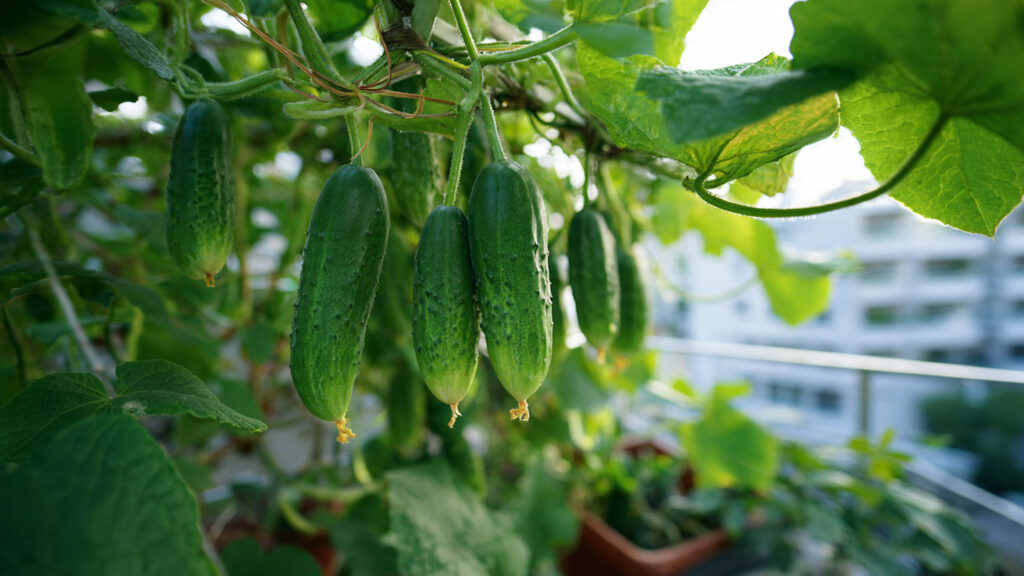
Imagine harvesting crisp, juicy cucumbers from your rooftop without owning a single inch of yard space. Urban gardening has transformed the way we grow food, and one of the most creative and space-saving techniques is growing cucumbers in recycled bottles. Whether you live in an apartment, a small home, or simply want to maximize your rooftop garden, bottle-grown cucumbers offer an affordable, eco-friendly, and productive solution.
This guide will walk you through everything you need to know about growing cucumbers in bottles, from selecting the right variety to harvesting a steady supply of fresh produce.
Why Choose Bottle Gardening for Cucumbers?
Bottle gardening is perfect for small spaces and urban settings. Instead of traditional pots, large containers, or raised beds, you can use recycled plastic bottles to grow healthy cucumber plants. This method offers several advantages:
- Cost-effective: Reuse plastic bottles instead of buying expensive containers.
- Space-saving: Ideal for rooftops, balconies, and terraces.
- Eco-friendly: Reduces plastic waste.
- Portable: Easy to move based on sunlight and weather conditions.
- Efficient drainage: Customizable holes prevent waterlogging.
For rooftop gardeners, especially those dealing with limited space and weight restrictions, bottle gardening provides a lightweight yet productive alternative.
Choosing the Right Cucumber Variety
Not all cucumber varieties are suitable for small containers. Since bottle space is limited, opt for compact or bush-type varieties that grow well in confined environments. Look for varieties labeled “compact,” “patio,” or “bush.”
Pickling cucumbers and mini slicing varieties tend to perform better than long vining types. Compact plants require less soil and produce manageable vines that are easier to train vertically on rooftops.
Selecting and Preparing the Bottles
You can use 2-liter or 5-liter plastic bottles for this method. Larger bottles provide more root space, which leads to healthier plants and higher yields.
Step 1: Cut the Bottle
- Cut the bottle horizontally around one-third from the top.
- The bottom portion will serve as the main container.
- The top portion can be inverted to create a self-watering system if desired.
Step 2: Add Drainage Holes
- Make 4–6 small holes at the bottom.
- If placing on a rooftop floor, ensure water can drain freely without pooling.
Step 3: Optional Self-Watering Setup
Insert a cotton wick through the bottle cap and invert the top portion into the base. This allows water to move gradually upward, keeping soil consistently moist.
Preparing the Perfect Soil Mix
Cucumbers are heavy feeders and need nutrient-rich, well-draining soil. Since bottle containers hold limited soil, quality matters even more.
A good mix includes:
- 50% high-quality potting soil
- 30% compost or well-rotted manure
- 20% perlite, coco peat, or coarse sand for drainage
Avoid using heavy garden soil alone, as it compacts easily and limits root growth.
For best results, mix in a handful of organic fertilizer or bone meal before planting.
Planting the Seeds
Cucumbers grow quickly from seeds and usually don’t require transplanting.
- Fill the prepared bottle with soil, leaving about one inch from the top.
- Plant 2–3 seeds about half an inch deep.
- Cover lightly with soil and water gently.
- Once seedlings emerge, thin to the strongest plant.
Seeds typically germinate within 5–10 days in warm conditions.
Sunlight Requirements for Rooftop Success
Cucumbers thrive in full sun and require at least 6–8 hours of direct sunlight daily. Rooftops are often ideal because they receive uninterrupted sunlight.
➡️ How to Grow Malabar Spinach from Cuttings for Fast, Easy Greens
➡️ How to Grow Super Delicious Cabbage at Home Without a Garden
➡️ How to Grow Bean Sprouts at Home in Plastic Bottles Easily (Step‑by‑Step Guide)
➡️ Why is Your Lemon Tree Blooming in the Heart of Winter?
➡️ Why Should Your Garden Have a Dedicated Pollinator Highway?
➡️ Why Do Your Fruit Trees Need a Winter Wash to Thrive in Spring?
➡️ How Can Rice Water Transform Your Fruits into Sweeter Delights?
➡️ Jumpstart Your Winter Garden: Seed Starting Under Lights
However, in extremely hot climates, afternoon shade may prevent leaf scorching. If temperatures exceed 35°C (95°F), consider using shade netting during peak heat hours.
Rotate bottles occasionally to ensure even growth.
Watering Bottle-Grown Cucumbers
Because bottle containers dry out faster than large pots, consistent watering is critical.
- Check soil daily during hot weather.
- Water deeply until excess drains out.
- Keep soil moist but not soggy.
Mulching the surface with straw, dry leaves, or coco peat helps retain moisture and reduce evaporation.
In self-watering setups, monitor the reservoir to ensure it never runs dry.
Supporting the Vines Vertically
Even compact cucumbers benefit from vertical support. Rooftop gardening is all about using vertical space wisely.
Options for support:
- Bamboo stakes
- Trellis netting
- String lines attached to a rooftop railing
- Wire mesh panels
Gently tie vines with soft garden ties as they grow. Vertical training:
- Saves space
- Improves airflow
- Reduces disease
- Produces straighter cucumbers
This approach can transform a simple rooftop into a lush green wall of productivity.
Feeding for Maximum Harvest
Cucumbers are fast growers and heavy feeders. Since bottles hold limited nutrients, regular feeding is essential.
Every 2–3 weeks:
- Apply diluted liquid fertilizer.
- Use compost tea or fish emulsion.
- Choose fertilizer high in potassium during flowering.
Avoid excessive nitrogen once flowering begins, as this encourages leaves over fruit.
Organic gardeners can top-dress with compost every few weeks for steady nutrient release.
Pollination Tips for Rooftop Gardens
Cucumbers produce male and female flowers. Female flowers have a tiny cucumber at the base.
On open rooftops, bees usually handle pollination. But if fruit production is low, you can hand-pollinate:
- Use a small brush or cotton swab.
- Transfer pollen from male to female flowers.
- Pollinate early in the morning for best results.
Good pollination ensures uniform, healthy cucumbers.
Managing Common Problems
Even rooftop gardens face challenges. Fortunately, bottle-grown cucumbers are easier to monitor and manage.
1. Yellow Leaves
Often caused by overwatering or nutrient deficiency. Adjust watering and feed appropriately.
2. Powdery Mildew
White powdery spots on leaves may appear in humid conditions. Improve airflow and avoid wetting leaves during watering.
3. Aphids and Spider Mites
Spray neem oil or insecticidal soap at early signs.
Regular inspection keeps problems under control before they spread.
Harvesting Fresh Cucumbers
Cucumbers grow rapidly once flowering begins. Harvest when fruits are firm and appropriately sized for your chosen variety.
- Pick every 2–3 days.
- Use scissors or pruners to avoid damaging vines.
- Frequent harvesting encourages continuous production.
Bottle-grown plants can produce surprisingly abundant yields when properly maintained.
Freshly harvested cucumbers taste far better than store-bought ones and are perfect for salads, sandwiches, and pickling.
Maximizing Rooftop Production
Want even more harvest from your rooftop?
- Arrange bottles in rows along railings.
- Use hanging bottle systems.
- Create tiered shelves.
- Combine cucumbers with companion plants like basil or lettuce.
Succession planting every few weeks ensures a continuous supply throughout the season.
With strategic planning, even a modest rooftop can become a thriving mini farm.
Environmental and Lifestyle Benefits
Growing cucumbers in bottles offers more than just fresh produce.
- Reduces plastic waste through recycling.
- Lowers grocery bills.
- Provides chemical-free vegetables.
- Enhances rooftop insulation.
- Improves air quality.
- Offers stress-relieving gardening therapy.
Urban gardening reconnects you with food production, even in densely populated cities.
Final Thoughts
You don’t need a backyard to grow fresh cucumbers. With recycled bottles, good soil, adequate sunlight, and proper care, your rooftop can transform into a vibrant, productive garden.
Bottle-grown cucumbers prove that limited space doesn’t limit potential. Whether you’re a beginner or an experienced gardener looking for innovative techniques, this method is affordable, sustainable, and highly rewarding.