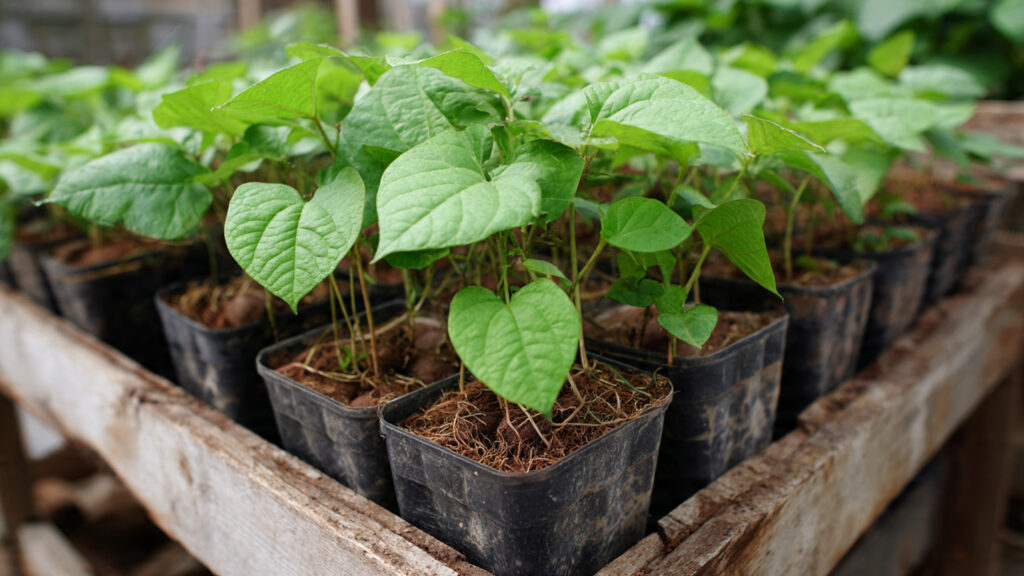
Growing your own food doesn’t require a large backyard or farmland. Even if you live in an apartment, have a small balcony, or only a sunny corner near your doorway, you can successfully grow nutritious crops. One of the easiest and most rewarding vegetables to cultivate in containers is the sweet potato. With just a plastic tub, quality soil, sunlight, and basic care, you can transform small spaces into productive food gardens.
Sweet potatoes are hardy, adaptable, and surprisingly well-suited to container gardening. Their sprawling vines, lush green leaves, and underground tubers make them both ornamental and practical. If you’ve ever thought you needed a yard to grow food, think again. Here’s your complete guide to growing sweet potatoes in plastic tubs—no yard required.
Why Choose Sweet Potatoes for Container Gardening?
Sweet potatoes are an excellent choice for small-space gardeners for several reasons:
- They grow well in warm climates.
- They are relatively low-maintenance.
- They produce high yields in confined spaces.
- Both the tubers and leaves are edible.
- They thrive in containers if given enough depth.
Unlike regular potatoes, sweet potatoes grow from slips (young shoots), not seed potatoes. They prefer loose soil and consistent warmth, making plastic tubs an ideal environment for controlling soil quality and drainage.
Choosing the Right Plastic Tub
The container you choose will significantly affect your harvest. Sweet potatoes develop underground, so they need depth to form healthy tubers.
Size Matters
Choose a plastic tub that is at least:
- 12–18 inches deep
- 15–20 inches wide
Larger containers yield more tubers. A 50–60 liter plastic storage tub works exceptionally well.
Drainage Is Essential
Drill several holes in the bottom of the tub to prevent waterlogging. Sweet potatoes dislike soggy soil, which can cause root rot. Elevating the tub slightly using bricks allows better drainage.
Dark vs. Light Containers
Dark tubs absorb more heat, which can benefit sweet potatoes in moderate climates. However, in extremely hot regions, light-colored containers prevent overheating of roots.
Preparing the Perfect Soil Mix
Sweet potatoes thrive in loose, well-draining soil. Compacted soil restricts tuber development.
Here’s a simple soil recipe:
- 40% garden soil
- 30% compost
- 20% coco peat or peat moss
- 10% sand or perlite
This combination ensures good drainage while retaining enough moisture and nutrients. Avoid heavy clay soil, as it prevents tubers from expanding properly.
Fill the tub nearly to the top, leaving 2–3 inches of space for watering.
Starting Sweet Potato Slips
Sweet potatoes are grown from slips, which are sprouts that grow from mature sweet potatoes.
How to Make Slips at Home
- Select a healthy, organic sweet potato.
- Place it halfway submerged in water using toothpicks to suspend it.
- Keep it in a warm, sunny location.
- Within 2–3 weeks, sprouts will begin to appear.
- Once the sprouts reach 5–6 inches long, gently twist them off.
- Place slips in water until roots develop.
After roots form, they’re ready for planting.
➡️ How to Grow Malabar Spinach from Cuttings for Fast, Easy Greens
➡️ How to Grow Super Delicious Cabbage at Home Without a Garden
➡️ How to Grow Bean Sprouts at Home in Plastic Bottles Easily (Step‑by‑Step Guide)
➡️ Why is Your Lemon Tree Blooming in the Heart of Winter?
➡️ Why Should Your Garden Have a Dedicated Pollinator Highway?
➡️ Why Do Your Fruit Trees Need a Winter Wash to Thrive in Spring?
➡️ How Can Rice Water Transform Your Fruits into Sweeter Delights?
➡️ Jumpstart Your Winter Garden: Seed Starting Under Lights
Alternatively, you can purchase ready-made slips from nurseries if you want a quicker start.
Planting in Plastic Tubs
Once your slips have roots:
- Make small holes in the soil about 3–4 inches deep.
- Plant each slip, burying the roots and lower stem.
- Space slips about 8–10 inches apart.
- Gently press soil around each plant.
- Water thoroughly after planting.
Within a few weeks, vines will begin to spread across the surface of the tub and cascade over the sides.
Sunlight Requirements
Sweet potatoes love sunlight. For best results:
- Provide at least 6–8 hours of direct sunlight daily.
- South-facing balconies or terraces are ideal.
- If sunlight is limited, growth may be slower and yields smaller.
In very hot climates, slight afternoon shade can prevent excessive heat stress, but full sun remains the priority.
Watering Tips for Healthy Growth
Proper watering is crucial for container-grown sweet potatoes.
- Water deeply but infrequently.
- Allow the top inch of soil to dry before watering again.
- Avoid overwatering, especially during early growth.
- Reduce watering slightly as harvest time approaches.
Plastic tubs retain moisture longer than traditional pots, so always check soil before watering.
Fertilizing for Better Yield
Sweet potatoes are not heavy feeders, but they benefit from balanced nutrition.
- Use compost at planting time.
- Apply a low-nitrogen fertilizer once a month.
- Avoid high nitrogen fertilizers, as they promote vine growth instead of tuber development.
An organic liquid fertilizer applied every 3–4 weeks works well in containers.
Managing Vines in Small Spaces
One challenge of growing sweet potatoes in plastic tubs is their spreading vines. However, this can be managed easily.
- Let vines trail over balcony railings.
- Train vines along trellises.
- Trim lightly if space is limited.
- Use vines as decorative greenery in urban settings.
The lush foliage adds beauty while producing edible roots below.
Preventing Common Problems
Sweet potatoes are generally resilient, but container gardening presents unique challenges.
Overwatering
Too much water leads to root rot. Always ensure proper drainage.
Nutrient Deficiency
Yellowing leaves may indicate poor soil fertility. Add compost or balanced fertilizer.
Pests
Occasionally, aphids or caterpillars may appear. Remove manually or use neem oil spray.
Poor Tuber Formation
Often caused by:
- Shallow containers
- Compacted soil
- Excess nitrogen fertilizer
Correct these issues for better harvests.
When and How to Harvest
Sweet potatoes are usually ready 90–120 days after planting, depending on variety and climate.
Signs they are ready:
- Yellowing leaves
- Slowed vine growth
- Mature time reached
To harvest:
- Stop watering 7–10 days before harvesting.
- Gently loosen soil with hands or a small tool.
- Carefully lift tubers to avoid damage.
- Allow them to dry in a shaded area.
Avoid washing immediately. Let them cure in a warm, dry place for 7–10 days to improve sweetness and storage life.
How Much Can You Expect to Harvest?
From one large plastic tub, you can expect:
- 1–3 kg (2–6 pounds) of sweet potatoes, depending on care and variety.
While yields may be slightly smaller than in-ground planting, the convenience and accessibility make it worthwhile.
Growing Sweet Potatoes Year-Round
In warm climates, sweet potatoes can be grown almost year-round. In cooler regions:
- Start slips indoors.
- Move tubs outside after frost risk passes.
- Bring containers indoors if temperatures drop.
Because they grow in portable tubs, adjusting to seasonal changes is easy.
Benefits of Growing in Plastic Tubs
Growing sweet potatoes in plastic tubs offers several advantages:
- No yard required
- Full control over soil quality
- Easy pest management
- Mobility
- Efficient space use
- Suitable for balconies and rooftops
- Reduced weed problems
For urban gardeners, renters, and those with limited land, this method makes food production accessible and practical.
Turning Small Spaces into Food Gardens
You don’t need acres of land to grow meaningful amounts of food. Plastic tubs, buckets, and recycled containers can become productive growing systems. Sweet potatoes are just one example of how simple container gardening can transform small living spaces.
Balconies can host multiple tubs. Rooftops can become mini farms. Even sunny windowsides can support smaller containers. By stacking vertical planters and combining different crops, you can maximize productivity in limited space.
Growing your own sweet potatoes also connects you with your food. Watching slips grow into lush vines and finally harvesting fresh tubers from a simple plastic tub is deeply satisfying.
Final Thoughts
Growing sweet potatoes in plastic tubs proves that you don’t need a yard to cultivate food. With proper container size, loose soil, sunlight, and basic care, even the smallest balcony can become a productive food garden.
This method is affordable, beginner-friendly, and highly adaptable. Whether you’re an apartment dweller, an urban gardener, or someone looking to make better use of small outdoor areas, sweet potatoes are an excellent crop to start with.
By turning simple plastic tubs into growing spaces, you’re not just planting vegetables—you’re planting independence, sustainability, and the joy of harvesting your own food. Small spaces can yield big rewards when managed thoughtfully, and sweet potatoes are a perfect example of how easy and productive container gardening can be.