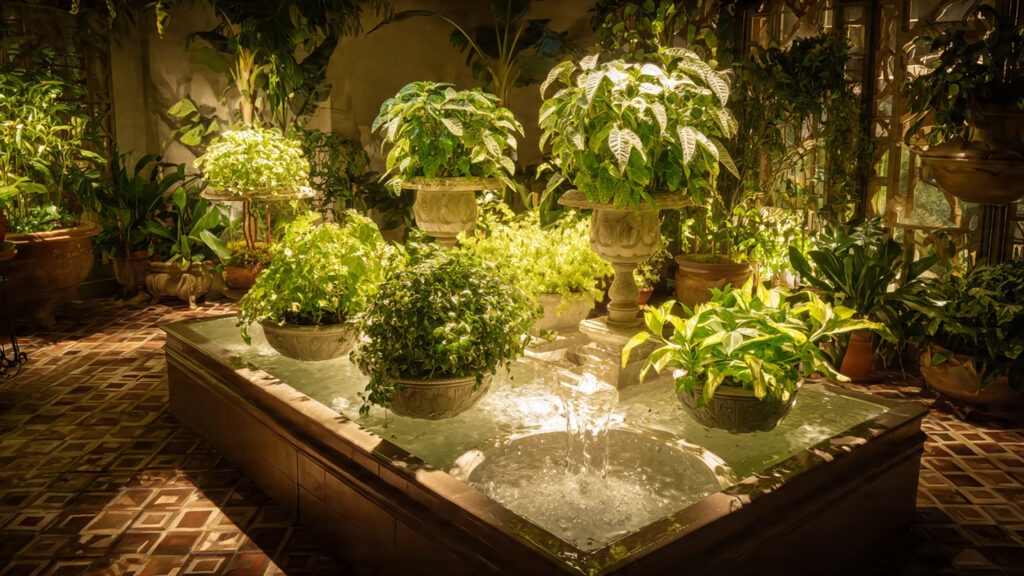
Caring for potted plants can be a rewarding way to bring greenery, color, and life into your home, balcony, or garden. However, many plant enthusiasts face challenges such as insufficient sunlight, uneven growth, and stress during seasonal changes. Low voltage lighting has emerged as a practical, energy-efficient solution to these problems, helping plants thrive while enhancing the ambiance of your indoor or outdoor space.
In this guide, we’ll explore how low voltage lighting can transform the care of your potted plants, including the benefits, types, installation tips, and key considerations for creating a lush, healthy environment.
Understanding Low Voltage Lighting
Low voltage lighting operates at 12 volts rather than the standard 120 volts of household electricity, making it safer, energy-efficient, and ideal for both indoor and outdoor use. This type of lighting is widely used for garden pathways, accent lighting, and now, plant care.
Advantages of low voltage lighting include:
- Safety: Lower voltage reduces the risk of electric shocks, especially in damp or outdoor environments.
- Energy efficiency: Uses less electricity, lowering your energy bills while providing sufficient light for plants.
- Customizable intensity: Allows control of brightness and positioning to meet specific plant needs.
- Versatility: Suitable for small potted plants, large planters, vertical gardens, and indoor green corners.
Low voltage lighting provides a flexible solution to supplement natural sunlight and improve the overall growth of potted plants.
Why Potted Plants Benefit from Artificial Lighting
Potted plants often face unique challenges:
- Limited access to sunlight: Indoor spaces may have windows that do not provide adequate light.
- Seasonal changes: During winter, days are shorter, and sunlight intensity decreases, affecting plant growth.
- Uneven growth: Plants may stretch or lean toward light sources, leading to weak stems.
- Indoor air quality: Poor lighting can reduce photosynthesis, affecting both plant health and air-purifying benefits.
By incorporating low voltage lighting, you can mitigate these issues, providing consistent light that supports photosynthesis, strengthens stems, and encourages flowering.
Types of Low Voltage Lighting for Potted Plants
Selecting the right type of lighting is critical for plant growth. Here are the most effective options:
1. LED Grow Lights
- Description: Emit light in specific wavelengths optimized for photosynthesis.
- Benefits: Energy-efficient, low heat emission, and long lifespan.
- Best Use: Indoor potted plants, vertical gardens, and small spaces.
2. Halogen Low Voltage Lights
- Description: Provide bright, warm light ideal for highlighting plants.
- Benefits: Easy to install and compatible with standard low voltage systems.
- Best Use: Outdoor potted plants or patio arrangements.
3. Fluorescent Low Voltage Lamps
- Description: Emit full-spectrum light with moderate heat output.
- Benefits: Cost-effective and gentle on delicate plants.
- Best Use: Seedlings, small indoor potted plants, or shaded areas.
4. Solar-Powered Low Voltage Lights
- Description: Harness sunlight to charge batteries, which then power low-voltage LEDs at night.
- Benefits: Eco-friendly, no wiring required, and automatic operation.
- Best Use: Outdoor potted plants, balconies, and garden accents.
Choosing the right type depends on plant species, placement, and care goals.
How Low Voltage Lighting Supports Plant Growth
Plants rely on photosynthesis to convert light into energy. Low voltage lighting can transform care in the following ways:
1. Promotes Consistent Growth
- Evenly distributed light prevents stretching and uneven growth.
- Helps indoor plants maintain compact, healthy forms.
2. Encourages Flowering and Fruiting
- Many flowering plants, such as orchids, geraniums, and begonias, benefit from extended light periods during winter or in low-light rooms.
- Controlled lighting can simulate longer days, encouraging bloom production.
3. Supports Seedlings and Young Plants
- Seedlings often require gentle, steady light to develop strong roots and stems.
- Low voltage lighting provides the right intensity without overheating or burning young leaves.
4. Reduces Plant Stress
- Inconsistent natural light can stress plants, leading to yellowing leaves or slow growth.
- Supplementary lighting keeps potted plants healthy and reduces susceptibility to pests or diseases.
Installation Tips for Low Voltage Lighting
Proper installation ensures maximum benefit and safety for both your plants and your space:
1. Determine Placement
- Indoor plants: Position lights 6–12 inches above leaves for smaller plants; taller plants may require lights 18–24 inches above.
- Outdoor potted plants: Use adjustable fixtures to direct light toward the plant canopy.
2. Set Timers
- Most potted plants need 12–16 hours of light per day depending on species.
- Timers automate the schedule, reducing human error and ensuring consistent exposure.
3. Adjust Light Intensity
- Use dimmable fixtures or adjustable lamps to prevent overexposure, which can scorch leaves.
- Ensure that all leaves receive light evenly to prevent weak stems.
4. Use Reflective Surfaces
- Placing reflective boards or mirrors behind plants can maximize light exposure, especially in indoor spaces with limited windows.
5. Consider Aesthetics
- Choose fixtures that complement your decor while serving functional purposes.
- Low voltage lights are compact, subtle, and can highlight plant features without overpowering the room.
Choosing the Right Plants for Low Voltage Lighting
While most potted plants benefit from additional light, certain species thrive particularly well under low voltage setups:
- Tropical Foliage Plants: Philodendrons, pothos, and monsteras respond well to extended light periods.
- Flowering Plants: Orchids, African violets, and begonias bloom more consistently under controlled lighting.
- Herbs and Edibles: Basil, parsley, and thyme grow faster and produce more leaves when supplemented with low voltage light.
- Succulents: While drought-tolerant, succulents benefit from bright artificial light indoors to maintain compact growth.
By matching lighting to plant needs, you ensure optimal growth and aesthetic appeal.
Safety Considerations
While low voltage lighting is safer than standard lighting, some precautions are necessary:
- Avoid water contact: Keep cords and sockets away from irrigation or wet surfaces.
- Check fixture heat: Even low voltage lights emit some heat; avoid placing them too close to sensitive leaves.
- Regular inspection: Ensure connectors, timers, and cables remain secure, especially in outdoor installations.
Proper safety measures prolong the life of your lighting system and protect your plants.
➡️ How to Grow Malabar Spinach from Cuttings for Fast, Easy Greens
➡️ How to Grow Super Delicious Cabbage at Home Without a Garden
➡️ How to Grow Bean Sprouts at Home in Plastic Bottles Easily (Step‑by‑Step Guide)
➡️ Why is Your Lemon Tree Blooming in the Heart of Winter?
➡️ Why Should Your Garden Have a Dedicated Pollinator Highway?
➡️ Why Do Your Fruit Trees Need a Winter Wash to Thrive in Spring?
➡️ How Can Rice Water Transform Your Fruits into Sweeter Delights?
➡️ Jumpstart Your Winter Garden: Seed Starting Under Lights
Benefits Beyond Plant Growth
Low voltage lighting offers advantages that go beyond basic plant care:
- Extended Enjoyment: Illuminates plants at night, allowing you to enjoy your garden or balcony in the evening.
- Ambiance Creation: Adds a warm, inviting glow to outdoor patios or indoor green corners.
- Energy Savings: Uses minimal electricity, reducing operational costs compared to traditional lighting.
- Flexibility: Can be combined with landscape lighting to enhance pathways, walls, and garden features.
This dual-purpose functionality makes low voltage lighting a smart investment for both plant care and home aesthetics.
Practical Examples
Indoor Balcony Garden
- Install low voltage LED strip lights above potted herbs.
- Use a timer to simulate sunlight exposure for 12–14 hours daily.
- Result: Faster growth, lush foliage, and better flavor in herbs.
Patio Potted Plants
- Place solar-powered low voltage lamps near larger planters.
- Adjust angle to maximize light for flowering plants.
- Result: Blooming flowers even during shorter winter days, and nighttime patio ambiance.
Vertical Indoor Plant Wall
- Mount adjustable low voltage fixtures along the wall.
- Reflect light off nearby white walls for uniform coverage.
- Result: Healthy growth and vibrant colors for all plants in the vertical arrangement.
Conclusion
Low voltage lighting is a game-changer for potted plant care, bridging the gap between natural sunlight and indoor or seasonal limitations. By providing consistent, energy-efficient illumination, it promotes healthy growth, robust flowering, and stronger stems, ensuring your plants thrive even in challenging environments.
From indoor tropical plants and herbs to outdoor patio arrangements, low voltage lighting supports a wide range of species, enhancing both health and aesthetics. With careful installation, correct timing, and proper intensity, your potted plants will flourish while adding beauty and vibrancy to your home or garden.
Incorporating low voltage lighting transforms plant care from a daily chore into an effortless, rewarding experience, allowing both novice and experienced gardeners to enjoy lush, thriving plants year-round.