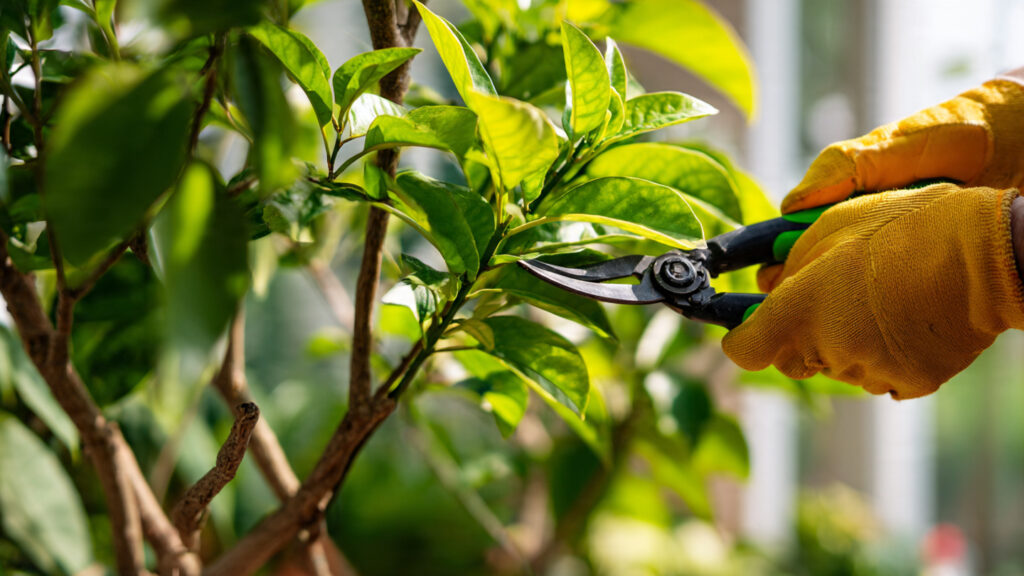
Pruning is one of the most powerful yet often misunderstood techniques in gardening. Done correctly, it can transform leggy, sparse plants into lush, vibrant greenery, enhance flowering, and even boost fruit production. Many gardeners struggle with pruning because they fear harming their plants—but with the right knowledge, it becomes an essential and rewarding part of plant care. This guide will walk you through the purpose, techniques, timing, and benefits of pruning for fuller growth.
Why Pruning Matters
At its core, pruning is the selective removal of certain parts of a plant—branches, stems, or leaves—to encourage healthier growth. While plants naturally shed older or weak parts, human-guided pruning helps direct energy to the strongest branches and encourages a fuller, bushier structure.
Some key benefits of pruning include:
- Promotes Fuller Growth – By cutting back certain stems, plants are stimulated to produce new shoots, making them denser and more visually appealing.
- Enhances Flowering and Fruit Production – Proper pruning removes old or non-productive branches, allowing the plant to focus energy on flowers and fruits.
- Improves Air Circulation – Trimming overcrowded foliage reduces the risk of fungal diseases and pest infestations.
- Shapes the Plant – Pruning helps maintain the desired size and form, keeping plants healthy and aesthetically pleasing.
- Removes Dead or Damaged Parts – This prevents decay from spreading and keeps the plant vigorous.
Understanding Plant Growth Patterns
Before pruning, it’s essential to understand how plants grow. Plants grow from nodes—the points on stems where leaves and buds emerge. Pruning encourages growth because it removes the apical dominance (the main growing tip), which naturally suppresses lateral shoots. Once the dominant tip is cut, the plant directs energy to side shoots, resulting in bushier growth.
Different types of plants respond to pruning in unique ways:
- Shrubs and Bushes – Often benefit from cutting back old or weak stems to encourage dense growth.
- Trees – Require careful pruning to maintain structure, prevent disease, and stimulate flowering or fruiting.
- Herbs – Respond well to regular trimming, which prolongs productive growth and prevents flowering too early.
- Vines and Climbers – Pruning keeps them from becoming tangled and encourages new shoots along their length.
Tools You’ll Need for Pruning
Using the right tools is crucial for safe and effective pruning. Dull or inappropriate tools can damage plants and hinder growth. Some essential tools include:
- Pruning Shears – Ideal for small branches and stems. Choose sharp, clean shears to make precise cuts.
- Loppers – Designed for thicker branches that are too large for pruning shears.
- Pruning Saw – Used for larger tree branches that require careful removal.
- Gloves – Protect your hands from thorns, sap, or rough branches.
- Disinfectant – Clean your tools before and after pruning to prevent disease spread.
When to Prune Your Plants
Timing is critical when it comes to pruning. Prune at the right time to avoid stressing the plant or reducing flowering potential:
- Spring – Ideal for most flowering shrubs after they finish blooming. This allows the plant to produce new growth and flower buds for the next season.
- Late Winter – Good for deciduous trees and shrubs before new growth begins, as plants are dormant and easier to shape.
- Throughout the Growing Season – Light pruning of herbs and perennials can be done to encourage continuous growth and prevent leggy plants.
Avoid heavy pruning during the hottest summer months or when the plant is under stress from drought or disease, as this can harm growth.
Techniques for Pruning for Fuller Growth
There are several pruning methods, each serving a specific purpose:
1. Pinching
Pinching is the removal of the growing tip of a stem using fingers or scissors. This encourages lateral growth and is perfect for herbs, houseplants, and small flowering plants. Pinch back the top 1–2 inches of new growth every few weeks to promote bushiness.
2. Heading Back
This involves cutting back the terminal part of a stem to a bud or lateral branch. It encourages multiple shoots to emerge from just below the cut, creating a fuller plant. Use this technique on shrubs, vines, and flowering plants.
3. Thinning
Thinning removes entire stems or branches at their base. Unlike heading back, it doesn’t encourage multiple new shoots but opens the plant to better light and air circulation. Thinning is ideal for overcrowded or overgrown plants.
4. Deadheading
Deadheading is the removal of spent flowers before seeds form. Not only does this improve the appearance of flowering plants, but it also signals the plant to produce more blooms instead of focusing energy on seed production.
5. Renewal Pruning
This method involves cutting back older branches close to the ground or to healthy growth. Renewal pruning rejuvenates aging shrubs, stimulating new growth and fuller, more vigorous plants.
Step-by-Step Guide to Pruning for Fuller Growth
Here’s a practical approach to pruning any plant for dense, healthy growth:
➡️ How to Grow Malabar Spinach from Cuttings for Fast, Easy Greens
➡️ How to Grow Super Delicious Cabbage at Home Without a Garden
➡️ How to Grow Bean Sprouts at Home in Plastic Bottles Easily (Step‑by‑Step Guide)
➡️ Why is Your Lemon Tree Blooming in the Heart of Winter?
➡️ Why Should Your Garden Have a Dedicated Pollinator Highway?
➡️ Why Do Your Fruit Trees Need a Winter Wash to Thrive in Spring?
➡️ How Can Rice Water Transform Your Fruits into Sweeter Delights?
➡️ Jumpstart Your Winter Garden: Seed Starting Under Lights
- Inspect the Plant – Look for weak, damaged, or crossing branches. Identify the areas that need thinning or shaping.
- Sanitize Tools – Wipe blades with rubbing alcohol or disinfectant to prevent disease spread.
- Remove Dead or Diseased Parts First – Cut back any brown, broken, or infected branches.
- Shape the Plant – Decide on the desired form and trim accordingly. Cut above a bud that faces outward to encourage outward growth.
- Thin Overcrowded Areas – Remove stems that block light or air, leaving space for healthy shoots.
- Pinch and Head Back for Bushiness – Encourage lateral growth by pinching tips or cutting just above a lateral bud.
- Clean Up – Collect pruned material and dispose of diseased parts to prevent infection.
Tips for Maximizing Growth After Pruning
Pruning alone isn’t enough; proper care afterward ensures the plant thrives:
- Water Well – Provide adequate water to support new growth, especially after heavy pruning.
- Fertilize – Apply a balanced fertilizer to supply nutrients for vigorous shoot development.
- Mulch – Add organic mulch around the base to retain moisture and regulate soil temperature.
- Monitor for Pests – Fresh growth can attract pests; inspect regularly and treat organically if needed.
Common Mistakes to Avoid
Even experienced gardeners sometimes make pruning errors. Avoid these common pitfalls:
- Over-Pruning – Cutting too much at once can shock the plant and slow growth.
- Pruning at the Wrong Time – Pruning flowering plants at the wrong season can reduce blooms.
- Ignoring Plant Type – Each species has different pruning needs; know your plant before cutting.
- Using Dirty Tools – This spreads diseases and can harm healthy growth.
Conclusion
Pruning is more than just trimming—it’s an art and science that guides plants to their healthiest, fullest form. By understanding plant growth patterns, choosing the right tools, and using appropriate pruning techniques, gardeners can achieve lush, vibrant greenery and higher yields from flowers and fruits.
Whether you’re growing ornamental shrubs, fruit trees, or herbs in containers, mastering the art of pruning ensures stronger stems, healthier foliage, and more abundant blooms. The key is to prune thoughtfully, consistently, and with a clear goal in mind. Over time, you’ll find that your plants not only look fuller and healthier but also respond with increased vitality, making your garden a thriving, beautiful oasis.
Embrace pruning as a regular part of your gardening routine, and watch as your plants transform from sparse and leggy to lush, bushy, and full of life. It’s a simple, cost-effective way to maximize growth, improve plant health, and enjoy the full potential of every plant in your care.