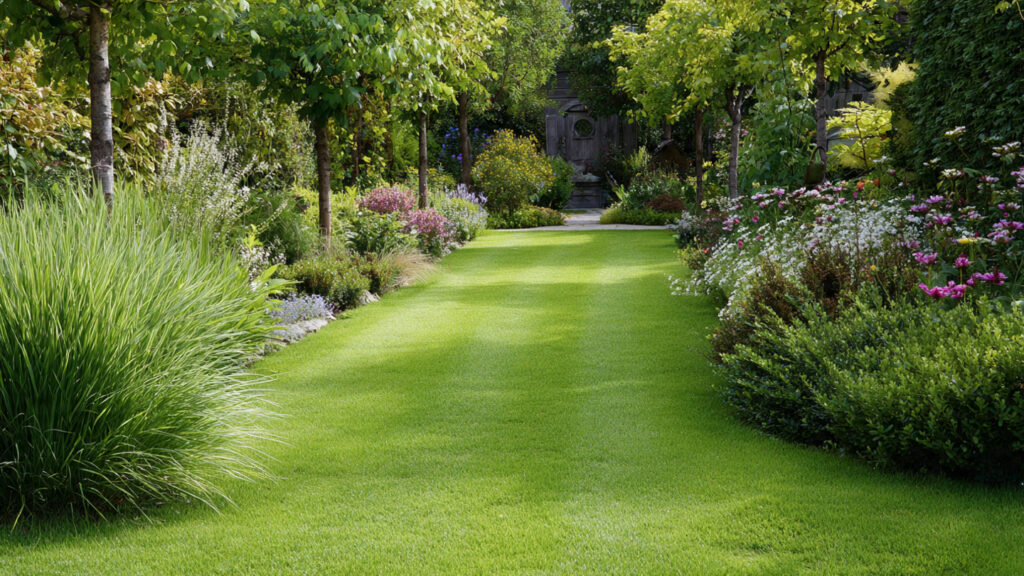
As the crisp autumn air begins to settle in, gardeners often face a common dilemma: how to keep their lawns and garden spaces vibrant and healthy throughout the cooler months. One solution that has gained popularity among garden enthusiasts is rye grass. Planting rye grass in your garden this fall is a smart choice for anyone looking to maintain lush greenery, improve soil health, and enjoy a low-maintenance lawn. From rapid germination to excellent winter resilience, rye grass offers multiple benefits that make it an ideal fall planting.
In this article, we’ll explore why rye grass deserves a place in your fall gardening plans and provide practical tips to maximize its growth and benefits.
1. Rapid Germination for Instant Green
One of the standout features of rye grass is its quick germination. Unlike other grass varieties that can take several weeks to sprout, rye grass typically germinates within 5–10 days under favorable conditions. This makes it an ideal choice for fall planting when gardeners want fast results.
- Instant Lawn Coverage – A quick-growing rye grass lawn ensures that bare spots are filled before winter.
- Erosion Control – Its fast root development helps prevent soil erosion on slopes or newly landscaped areas.
- Aesthetic Appeal – Garden spaces retain a lush green look, even as temperatures begin to drop.
This rapid establishment makes rye grass a favorite for gardeners looking to rejuvenate tired lawns or quickly green up garden spaces before winter.
2. Thrives in Cooler Temperatures
Fall brings cooler temperatures, shorter days, and often increased rainfall. Rye grass is perfectly suited to these conditions. Unlike warm-season grasses, which slow growth as temperatures drop, rye grass thrives in cooler weather, making it ideal for autumn planting.
- Cool-Season Grass – Rye grass grows best in temperatures between 50°F and 75°F (10°C to 24°C).
- Extended Growing Season – It continues to develop through fall and early winter, providing consistent coverage.
- Winter Greenery – Even in mild frost conditions, rye grass retains its color, keeping your lawn attractive during months when other grasses may turn brown.
Its resilience to cool weather ensures that your garden remains vibrant and visually appealing, extending the outdoor enjoyment well into winter.
3. Improves Soil Health
Rye grass isn’t just about aesthetics—it also benefits the health of your soil. Its extensive root system contributes to soil structure, nutrient retention, and overall fertility.
- Deep Root Development – Roots help break up compacted soil and improve aeration.
- Organic Matter Addition – As rye grass grows and eventually decomposes, it adds valuable organic matter to the soil.
- Weed Suppression – Dense rye grass coverage reduces space for weeds to grow, decreasing competition for nutrients.
Planting rye grass in the fall is a natural and effective way to prepare your garden for the next growing season, improving soil quality and making it more resilient for spring planting.
4. Perfect for Overseeding Existing Lawns
If your summer lawn has suffered from heat stress, heavy foot traffic, or pest damage, rye grass can breathe new life into tired grass patches. Overseeding with rye grass is a simple and effective way to revitalize lawns.
- Fills Bare Patches – Quickly covers spots where other grass types have thinned.
- Blends with Existing Grass – Compatible with many warm-season grasses, creating a mixed, lush lawn.
- Enhanced Turf Density – Overseeding adds density, improving lawn durability and reducing soil erosion.
Fall is the ideal time for overseeding because the cooler temperatures, combined with autumn rainfall, support strong germination and establishment before winter dormancy.
5. Low-Maintenance and Budget-Friendly
Rye grass is also cost-effective and easy to maintain, making it ideal for gardeners of all experience levels.
- Minimal Fertilizer Requirements – Rye grass grows well with basic soil nutrition and occasional feeding.
- Low Water Needs – Once established, rye grass tolerates moderate drought conditions, especially in cooler fall weather.
- Simple Mowing – Its rapid growth requires occasional mowing, but it adapts easily to standard lawn care routines.
With minimal investment and effort, gardeners can enjoy a healthy, green lawn throughout fall and early winter.
6. Ideal for Seasonal Decoration and Aesthetics
Rye grass offers more than just functional benefits—it enhances the visual appeal of gardens during fall. Its rich green color contrasts beautifully with autumn foliage, creating vibrant outdoor spaces.
- Seasonal Highlights – Paired with pumpkins, mums, and other fall decorations, rye grass enhances festive garden aesthetics.
- Garden Borders and Beds – Use rye grass as a living border around flower beds or pathways for a polished look.
- Temporary Winter Lawn – For gardeners with warm-season grasses that go dormant in winter, rye grass provides temporary greenery that maintains curb appeal.
The aesthetic advantage makes rye grass a practical and visually rewarding choice for fall gardening projects.
7. Suitable for Erosion Control and Ground Cover
Rye grass is particularly useful for gardens on slopes or areas prone to erosion. Its fast-growing root system stabilizes soil and prevents runoff during fall rains.
➡️ How to Grow Malabar Spinach from Cuttings for Fast, Easy Greens
➡️ How to Grow Super Delicious Cabbage at Home Without a Garden
➡️ How to Grow Bean Sprouts at Home in Plastic Bottles Easily (Step‑by‑Step Guide)
➡️ Why is Your Lemon Tree Blooming in the Heart of Winter?
➡️ Why Should Your Garden Have a Dedicated Pollinator Highway?
➡️ Why Do Your Fruit Trees Need a Winter Wash to Thrive in Spring?
➡️ How Can Rice Water Transform Your Fruits into Sweeter Delights?
➡️ Jumpstart Your Winter Garden: Seed Starting Under Lights
- Slope Stabilization – Rapid germination ensures roots anchor the soil before heavy rains.
- Protects Young Plants – Covers bare patches, reducing soil loss and protecting newly planted flowers or shrubs.
- Temporary Lawn Solution – Can be used as a ground cover until permanent plants or shrubs are established.
This makes rye grass a versatile tool for gardeners managing challenging landscapes.
8. Supports Pollinators and Garden Wildlife
While rye grass is primarily a turf or ground-cover plant, it indirectly supports garden biodiversity:
- Provides Shelter – Dense rye grass offers habitat for insects and small garden wildlife.
- Encourages Pollinator Visits – Overseeded gardens with rye grass often include flowering companion plants that attract bees and butterflies.
- Natural Soil Ecosystem – Healthy rye grass lawns support beneficial microbes, improving overall garden resilience.
By planting rye grass, you contribute to a balanced and thriving garden ecosystem, even during the cooler months.
9. Easy to Plant This Fall
Planting rye grass in fall is straightforward, even for beginners. Follow these simple steps for optimal results:
- Prepare the Soil: Remove debris, loosen compacted areas, and level the soil.
- Seed Selection: Choose a fall-appropriate rye grass variety for your climate.
- Sowing Seeds: Spread seeds evenly, lightly rake to cover them with soil, and press gently.
- Watering: Keep the soil consistently moist until germination occurs.
- Maintenance: Mow lightly once the grass reaches 3–4 inches in height, and apply a balanced fertilizer if needed.
Within weeks, your garden will begin to show vibrant green growth, ready to withstand fall conditions and enhance your outdoor space.
10. Prepares Your Garden for Spring
One of the long-term advantages of planting rye grass in the fall is spring readiness. By establishing a healthy, dense rye grass cover, your soil is enriched, erosion is minimized, and your garden is better prepared for spring planting or reseeding.
- Improved Soil Fertility: Roots and organic matter enhance nutrient availability for future plants.
- Weed Reduction: Dense rye grass suppresses weeds, reducing maintenance in spring.
- Stronger Lawns: Overseeded lawns emerge thicker and healthier when warmer-season grasses start growing again.
In essence, fall planting of rye grass acts as a natural preparation step for a flourishing spring garden.
Conclusion
Planting rye grass this fall is a simple, effective, and rewarding strategy for gardeners seeking lush lawns, healthy soil, and a visually appealing outdoor space. Its rapid germination, adaptability to cooler temperatures, low maintenance requirements, and ability to improve soil health make it an ideal choice for autumn planting.
Whether you’re looking to overseed an existing lawn, stabilize soil on slopes, or create a temporary green cover for the fall and winter months, rye grass offers multiple benefits that go beyond aesthetics. It supports biodiversity, enhances garden beauty, and sets the stage for a thriving spring garden.
By choosing rye grass this fall, you invest in a greener, healthier, and more resilient garden—ensuring that your outdoor space remains vibrant and welcoming, even as the temperatures drop.
Fall is the perfect time to act. Plant rye grass today, and watch your garden transform into a lush, vibrant landscape that thrives through winter and into the new year.