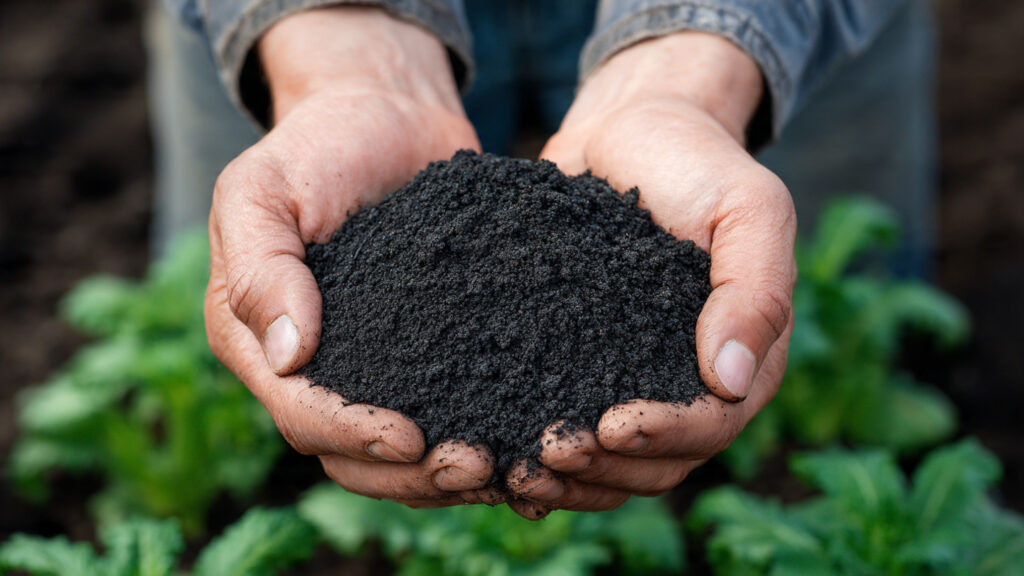
Gardeners everywhere are constantly seeking ways to improve soil health, increase plant growth, and create sustainable growing environments. One of the most promising solutions is biochar, a natural soil amendment with a remarkable ability to enhance fertility, retain moisture, and boost the overall vitality of your garden. Though it’s a concept rooted in ancient agricultural practices, biochar has gained attention in modern gardening and permaculture for its ability to transform soil structure and support plant health.
This article explores how biochar can transform your garden soil, why it works, and practical ways to use it for maximum benefit.
What is Biochar?
Biochar is a carbon-rich material produced by heating organic matter, such as wood chips, crop residues, or nutshells, in a low-oxygen environment through a process called pyrolysis. Unlike traditional charcoal, which is used for fuel, biochar is specifically designed to be incorporated into soil.
Key characteristics of biochar include:
- Highly porous structure: Provides space for water retention, air, and beneficial microbes.
- Carbon-rich composition: Stabilizes carbon in soil for years, reducing greenhouse gas emissions.
- Alkaline properties: Can help balance acidic soils and improve nutrient availability.
Biochar is versatile, making it suitable for vegetable gardens, flower beds, potted plants, and even large-scale agricultural use.
The Science Behind Biochar’s Soil Benefits
Biochar improves soil through several mechanisms:
1. Enhances Soil Structure
- Its porous texture improves soil aeration, allowing roots to access oxygen more easily.
- Looser soil reduces compaction and encourages deep root growth, resulting in stronger, healthier plants.
2. Increases Water Retention
- The tiny pores in biochar act like sponges, holding water and slowly releasing it to plant roots.
- This is particularly useful in sandy soils, which drain quickly, and in drought-prone regions.
3. Supports Beneficial Microbes
- Biochar provides a habitat for bacteria, fungi, and mycorrhizae, which enhance nutrient uptake and disease resistance.
- Healthy microbial activity improves decomposition of organic matter, enriching the soil naturally.
4. Boosts Nutrient Retention
- Biochar helps prevent nutrient leaching, especially nitrogen and phosphorus, keeping them available to plants for longer.
- Acts as a natural fertilizer enhancer, meaning less reliance on chemical fertilizers.
5. Balances Soil pH
- Many biochars have slightly alkaline properties, which can neutralize acidic soils and make nutrients more accessible.
By combining these benefits, biochar transforms poor or depleted soil into a fertile, resilient medium ready to support vigorous plant growth.
Types of Biochar and Their Uses
Different biochars are suited for different garden applications:
1. Wood-Based Biochar
- Produced from hardwood or softwood.
- Ideal for vegetable gardens, raised beds, and landscaping.
2. Crop Residue Biochar
- Made from rice husks, corn cobs, or nut shells.
- Works well for potted plants and container gardening due to smaller particle size.
3. Compost-Enhanced Biochar
- Biochar mixed with compost or manure before application.
- Speeds up microbial colonization and nutrient enrichment, creating instant fertility boost.
Choosing the right type depends on your soil condition, plant types, and garden goals.
How to Apply Biochar in Your Garden
To maximize the benefits of biochar, proper preparation and application are essential.
Step 1: Charge the Biochar
Raw biochar can initially absorb nutrients from the soil, potentially depriving plants if added directly. To prevent this:
- Mix biochar with compost, manure, or worm castings.
- Let it sit for at least 2–4 weeks to absorb nutrients and foster microbial colonization.
Step 2: Incorporate into Soil
- Spread 5–10% biochar by volume into the top 6–12 inches of soil.
- Mix thoroughly with a garden fork, tiller, or hand tools.
Step 3: Combine with Fertilizers
- Biochar enhances nutrient efficiency, so use it alongside organic fertilizers or compost.
- Reduces fertilizer needs while improving uptake and retention.
Step 4: Mulch or Top-Dress
- For potted plants or established beds, sprinkle biochar on the surface and water in.
- Over time, natural microbial activity incorporates it into the soil.
Benefits of Biochar for Specific Garden Plants
Vegetables
- Increased moisture retention helps leafy greens, tomatoes, peppers, and root vegetables grow faster.
- Improved nutrient availability reduces yellowing leaves and increases yields.
Flowers and Ornamentals
- Strong root systems and better soil aeration support healthy blooms.
- Drought-tolerant flower varieties thrive with biochar’s water-holding properties.
Fruit Trees and Berry Bushes
- Biochar enhances deep root growth and reduces water stress during dry periods.
- Boosts flowering and fruiting by stabilizing nutrients over the growing season.
Potted Plants
- Prevents rapid drying in containers.
- Improves microbial activity in small soil volumes, promoting robust plant health.
Biochar and Sustainable Gardening
Biochar is not only beneficial for plant growth—it’s also an eco-friendly soil amendment:
- Reduces greenhouse gases: Carbon in biochar remains stable in soil for decades, sequestering carbon.
- Decreases chemical dependency: Reduces the need for synthetic fertilizers, lowering runoff pollution.
- Recycles organic waste: Made from forestry residues, crop byproducts, or nutshells, turning waste into a valuable resource.
Using biochar aligns with permaculture principles and regenerative gardening practices, promoting soil health while benefiting the environment.
Common Questions About Using Biochar
1. How much biochar should I use?
- Typically 5–10% by volume of your soil. Overuse is unnecessary and can alter pH excessively.
2. Can I apply biochar to sandy or clay soils?
- Yes. In sandy soil, it improves water retention. In clay soil, it enhances aeration and reduces compaction.
3. Is biochar safe for all plants?
- Yes, when properly charged with nutrients before application. Raw, uncharged biochar can temporarily reduce nutrient availability.
4. Can I use biochar in raised beds and container gardens?
- Absolutely. It works well in pots, hanging baskets, and raised beds, providing moisture retention and improved fertility.
Tips for Maximizing Biochar Benefits
- Mix with compost: Boost microbial activity and nutrient content.
- Combine with mulch: Retains moisture and reduces evaporation.
- Use gradually: Introduce biochar slowly, especially in established beds, to prevent nutrient shock.
- Monitor pH: Some biochars raise soil pH; test soil periodically to maintain balance.
With thoughtful application, biochar can dramatically improve soil health over time, creating a thriving garden environment.
Transforming Your Garden Soil
By incorporating biochar into your garden, you can:
➡️ How to Grow Malabar Spinach from Cuttings for Fast, Easy Greens
➡️ How to Grow Super Delicious Cabbage at Home Without a Garden
➡️ How to Grow Bean Sprouts at Home in Plastic Bottles Easily (Step‑by‑Step Guide)
➡️ Why is Your Lemon Tree Blooming in the Heart of Winter?
➡️ Why Should Your Garden Have a Dedicated Pollinator Highway?
➡️ Why Do Your Fruit Trees Need a Winter Wash to Thrive in Spring?
➡️ How Can Rice Water Transform Your Fruits into Sweeter Delights?
➡️ Jumpstart Your Winter Garden: Seed Starting Under Lights
- Increase soil fertility and structure.
- Enhance water retention and drought resilience.
- Support beneficial microbes for healthy plant growth.
- Improve nutrient retention and reduce fertilizer use.
- Promote sustainable gardening practices that benefit both plants and the environment.
Biochar is a powerful, long-term investment in your garden’s health. Even a single application can yield benefits for multiple seasons, with effects lasting years.
Conclusion
Biochar has the potential to revolutionize your garden soil. From improving soil structure and water retention to supporting beneficial microbes and stabilizing nutrients, its benefits are broad and lasting. Whether you garden with vegetables, flowers, fruit trees, or potted plants, biochar can enhance growth, resilience, and productivity while promoting sustainability.
Incorporating biochar into your soil isn’t just a technique—it’s an investment in healthy, fertile, and thriving garden soil that benefits both your plants and the environment. By understanding how to charge, apply, and combine biochar with compost and fertilizers, gardeners can create a lush, sustainable garden capable of producing strong, vibrant plants for years to come.
With biochar, your soil becomes more than just a medium for plants—it becomes a living ecosystem that nurtures every root, leaf, and bloom in your garden.