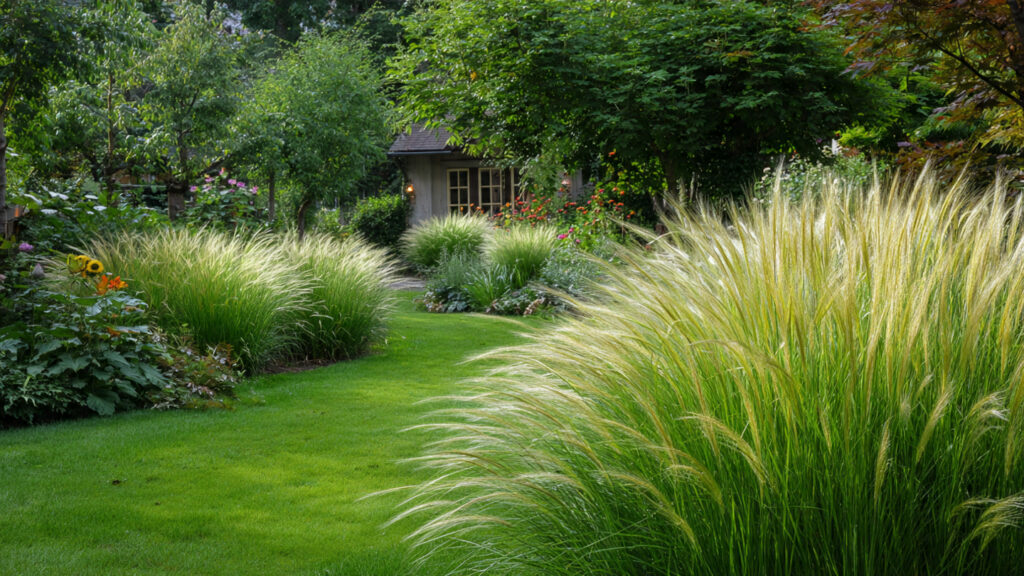
As the crisp air of fall begins to settle in, gardeners across the country start thinking about ways to prepare their lawns and gardens for winter. One of the smartest moves you can make is planting rye grass. Known for its resilience, quick growth, and soil-enriching qualities, rye grass is more than just a pretty green cover—it’s a strategic choice for healthy, vibrant gardens. In this article, we’ll explore why planting rye grass in your garden this fall is a decision that pays off in the long term, along with tips for successful planting and care.
What Makes Rye Grass Special?
Rye grass, particularly annual ryegrass and perennial ryegrass, is celebrated in gardening circles for its versatility and hardiness. Here’s what sets it apart:
- Rapid Growth: Rye grass germinates quickly, often within 5–10 days, giving your garden instant greenery even as other plants slow down.
- Cold Tolerance: Fall-planted rye grass thrives in cooler temperatures, making it ideal for seasonal coverage.
- Soil Protection: Its dense root system stabilizes soil, preventing erosion and nutrient loss during the rainy and windy months.
- Versatility: Rye grass works in lawns, vegetable garden cover, or even as a temporary patch between plantings.
- Organic Benefits: Planting rye grass organically enriches your soil and promotes beneficial microbial activity, contributing to healthier plants in the spring.
Why Fall is the Perfect Time for Rye Grass
While rye grass can grow during multiple seasons, fall is particularly advantageous for several reasons:
- Optimal Temperatures: Cool nights and moderate daytime temperatures create ideal conditions for seed germination and root development.
- Less Competition: Many summer weeds are dying off, giving rye grass seedlings room to thrive without heavy competition.
- Winter Preparation: Fall planting ensures your soil is covered and protected during winter, reducing erosion and nutrient leaching.
- Early Spring Advantage: Fall-planted rye grass establishes strong roots that continue growing in early spring, giving your garden a lush start before other plants emerge.
Choosing the Right Type of Rye Grass
Understanding which type of rye grass to plant is key to achieving your gardening goals.
1. Annual Ryegrass
- Growth: Grows quickly but lasts only one season.
- Use: Ideal for fast coverage, preventing erosion, and adding temporary greenery.
- Maintenance: Requires reseeding annually if long-term coverage is desired.
2. Perennial Ryegrass
- Growth: Slower to establish than annual ryegrass, but lasts multiple seasons.
- Use: Perfect for lawns, garden pathways, and long-term soil improvement.
- Maintenance: Mows well and integrates seamlessly with other perennial grasses.
For most fall garden projects, annual ryegrass is the favorite for rapid results, while perennial ryegrass is better if you want a long-lasting lawn or garden cover.
Preparing Your Garden for Rye Grass Planting
Before planting, proper preparation ensures strong germination and healthy growth:
- Clear Debris: Remove dead plants, rocks, and weeds to give rye grass a clean start.
- Loosen the Soil: Lightly till or rake the soil to aerate it, creating a soft bed for the seeds.
- Amend the Soil: Mix in compost or organic fertilizer to provide essential nutrients. Rye grass responds well to fertile soil.
- Level the Surface: Smooth out the soil to prevent water pooling, which can wash away seeds or encourage disease.
Tip: Fall is a great time to test your soil pH. Rye grass prefers a slightly acidic to neutral pH (6.0–7.0). Adjust with lime or sulfur if necessary.
Planting Rye Grass: Step-by-Step
Once your garden is ready, planting rye grass is straightforward:
- Select High-Quality Seeds: Choose certified seeds free of chemicals or fillers. Organic options are available for eco-conscious gardeners.
- Spread the Seeds: For small areas, sow by hand. For larger areas, use a seed spreader for even distribution. Recommended seeding rate is usually 5–10 pounds per 1,000 square feet, depending on variety.
- Lightly Rake: Gently cover seeds with a thin layer of soil, about ¼ inch, to protect them while allowing sunlight for germination.
- Water Consistently: Keep soil moist but not waterlogged. Daily watering may be necessary during the first week until seedlings emerge.
Tip: Avoid deep watering at first; rye grass seeds need consistent surface moisture for quick germination.
Caring for Your Rye Grass in Fall
Once your rye grass sprouts, proper care ensures a lush, healthy growth:
1. Watering
- Young seedlings need regular moisture until they establish roots.
- After establishment, reduce frequency but water deeply to encourage strong roots.
2. Fertilizing
- Apply a balanced, slow-release organic fertilizer about 4–6 weeks after planting.
- Fertilization enhances leaf color, growth, and resilience against cold.
3. Mowing
- If planting rye grass as a lawn, mow regularly but avoid cutting more than one-third of the grass height at a time.
- Maintain a height of 2–3 inches for optimal density and health.
4. Weed Management
- Newly planted rye grass can outcompete weeds with proper care, but keep an eye out for invasive plants. Hand-pulling or organic weed control methods work best.
The Benefits of Rye Grass for Your Garden
Planting rye grass in the fall has numerous advantages beyond aesthetics:
- Soil Health Improvement
- Rye grass roots penetrate compacted soil, improving aeration and water infiltration.
- Organic matter from decomposing leaves adds nutrients back to the soil.
- Erosion Control
- Fall storms and winter runoff can wash away bare soil. Rye grass stabilizes slopes and prevents soil loss.
- Winter Greenery
- Even in colder climates, rye grass stays vibrant longer than many other plants, giving your garden a lush, inviting appearance through fall and early winter.
- Spring Jumpstart
- Well-established rye grass ensures a stronger garden base for spring planting.
- Nutrient-rich soil and healthy microbial activity foster faster growth for vegetables, flowers, and perennial plants.
- Eco-Friendly Choice
- Rye grass reduces the need for chemical fertilizers and pesticides when managed organically.
- It attracts beneficial insects, including pollinators, which support your broader garden ecosystem.
Creative Uses for Rye Grass in Your Garden
Rye grass is versatile and can enhance your garden in many ways:
- Cover Crop: Plant between vegetable rows to protect soil and suppress weeds.
- Lawn Enhancer: Overseed bare patches for a dense, green lawn in early spring.
- Pathway Borders: Grow along garden paths to soften edges and prevent mud.
- Container Gardens: Rye grass grows well in large pots or raised beds, adding color and function.
Its fast growth and low maintenance make it an ideal solution for both practical and decorative purposes.
Common Mistakes to Avoid
Even hardy rye grass requires attention to thrive. Avoid these common pitfalls:
- Planting Too Late: Seeds planted too close to frost may not establish strong roots. Aim for early to mid-fall.
- Overwatering: Saturated soil can rot seeds and promote fungal diseases.
- Neglecting Soil Preparation: Rye grass performs best in nutrient-rich, loose soil. Skipping prep reduces germination rates.
- Ignoring Sunlight Needs: Most rye grass varieties prefer full sun to partial shade. Make sure your garden receives at least 4–6 hours of sunlight.
Conclusion
Planting rye grass this fall is a smart, eco-friendly strategy that benefits both your garden and your overall landscape. With rapid growth, cold tolerance, and soil-enriching properties, rye grass provides immediate greenery and long-term advantages, from winter protection to early spring readiness. By choosing the right variety, preparing your soil, and giving the grass proper care, you can enjoy a vibrant, healthy, and lush garden that sets the stage for seasons to come.
➡️ How to Grow Malabar Spinach from Cuttings for Fast, Easy Greens
➡️ How to Grow Super Delicious Cabbage at Home Without a Garden
➡️ How to Grow Bean Sprouts at Home in Plastic Bottles Easily (Step‑by‑Step Guide)
➡️ Why is Your Lemon Tree Blooming in the Heart of Winter?
➡️ Why Should Your Garden Have a Dedicated Pollinator Highway?
➡️ Why Do Your Fruit Trees Need a Winter Wash to Thrive in Spring?
➡️ How Can Rice Water Transform Your Fruits into Sweeter Delights?
➡️ Jumpstart Your Winter Garden: Seed Starting Under Lights
Whether you’re looking to enhance your lawn, protect your soil, or simply enjoy the beauty of green space through fall and winter, rye grass is an accessible and effective solution. This fall, take a proactive step toward a thriving, sustainable garden — plant rye grass and watch your garden transform into a lush, resilient, and healthy haven.