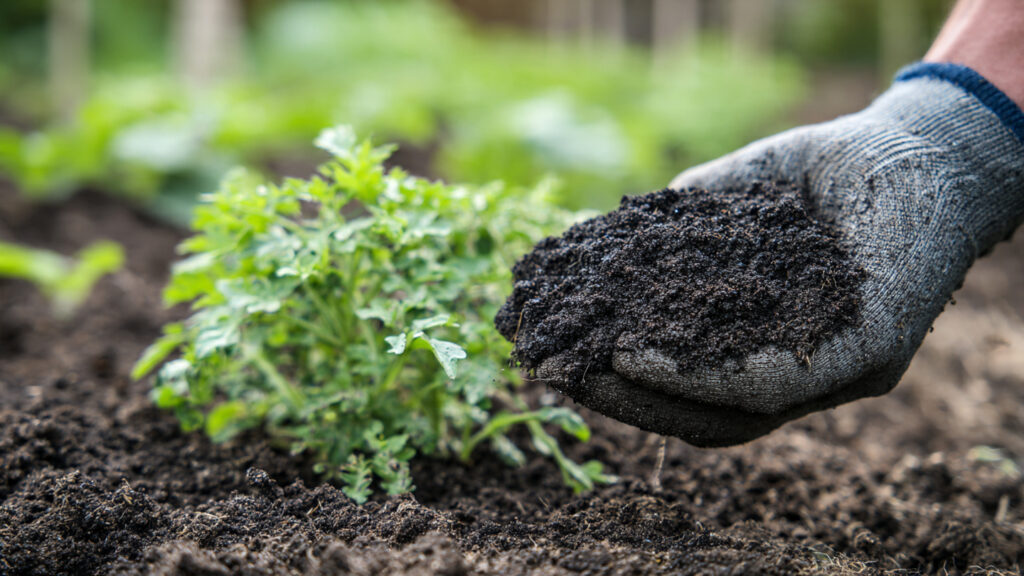
Healthy soil is the foundation of every thriving garden. Whether you grow vegetables, flowers, fruit trees, or ornamental shrubs, your success depends largely on what’s happening beneath the surface. In recent years, one ancient soil amendment has been gaining renewed attention among gardeners and farmers alike: biochar.
But what exactly is biochar, and how can it transform your garden soil for the better? Let’s explore how this carbon-rich material can dramatically improve soil health, boost plant growth, and create a more sustainable garden.
What Is Biochar?
Biochar is a form of charcoal produced by heating organic materials—such as wood chips, crop residues, or plant waste—in a low-oxygen environment. This process is called pyrolysis. Unlike ash, which burns away nutrients, biochar retains a stable carbon structure that can persist in soil for decades or even centuries.
Historically, biochar-like materials were used in ancient agricultural systems, most famously in the fertile soils of the Amazon basin known as Terra Preta. These dark, nutrient-rich soils were created by Indigenous communities who incorporated charcoal and organic waste into the earth, dramatically improving soil productivity.
Today, modern gardeners are rediscovering the power of biochar as a natural soil enhancer.
1. Improves Soil Structure and Aeration
One of the most immediate benefits of biochar is its ability to improve soil structure.
Biochar has a highly porous structure, full of tiny holes and channels. When mixed into soil:
- It increases aeration in compacted soils.
- It improves drainage in heavy clay soils.
- It helps sandy soils retain moisture.
If your garden soil feels hard, sticky, or drains poorly, biochar can loosen it and create a more balanced growing environment. In sandy soils that dry out too quickly, biochar acts like a sponge, holding onto water and releasing it gradually to plant roots.
The result? Stronger root systems and healthier plants.
2. Enhances Nutrient Retention
One of the biggest challenges in gardening is nutrient loss. Rain and irrigation can wash away essential nutrients like nitrogen, phosphorus, and potassium before plants can absorb them.
Biochar helps solve this problem.
Thanks to its porous structure and large surface area, biochar:
- Absorbs nutrients.
- Holds them in the soil.
- Slowly releases them to plant roots.
This process reduces nutrient leaching and makes fertilizers more efficient. If you’ve ever felt like you’re constantly feeding your plants but not seeing long-term improvement, biochar may be the missing link.
Over time, your soil becomes more fertile and less dependent on repeated fertilizer applications.
3. Supports Beneficial Microorganisms
Healthy soil is alive with microorganisms—bacteria, fungi, and other microbes that break down organic matter and make nutrients available to plants.
➡️ How to Grow Malabar Spinach from Cuttings for Fast, Easy Greens
➡️ How to Grow Super Delicious Cabbage at Home Without a Garden
➡️ How to Grow Bean Sprouts at Home in Plastic Bottles Easily (Step‑by‑Step Guide)
➡️ Why is Your Lemon Tree Blooming in the Heart of Winter?
➡️ Why Should Your Garden Have a Dedicated Pollinator Highway?
➡️ Why Do Your Fruit Trees Need a Winter Wash to Thrive in Spring?
➡️ How Can Rice Water Transform Your Fruits into Sweeter Delights?
➡️ Jumpstart Your Winter Garden: Seed Starting Under Lights
Biochar provides an ideal habitat for these beneficial organisms. Its porous structure creates protected spaces where microbes can live and thrive. Think of biochar as a microbial apartment complex beneath your garden.
When beneficial microbes flourish:
- Nutrient cycling improves.
- Soil diseases may decrease.
- Plant resilience increases.
In particular, mycorrhizal fungi, which form symbiotic relationships with plant roots, often benefit from biochar-amended soils. These fungi help plants absorb water and nutrients more efficiently.
4. Improves Water Retention and Drought Resistance
Water management is becoming increasingly important for gardeners worldwide. Hot summers, unpredictable rainfall, and water restrictions can make gardening challenging.
Biochar helps soil hold moisture more effectively. In sandy soils, this can dramatically reduce how often you need to water. In clay soils, improved structure allows excess water to drain while still maintaining moisture balance.
Plants grown in biochar-enriched soil often:
- Experience less stress during dry periods.
- Develop deeper root systems.
- Maintain stronger growth in heat.
For gardeners looking to build a more climate-resilient garden, biochar can be a powerful ally.
5. Balances Soil pH
Soil pH plays a critical role in nutrient availability. If your soil is too acidic or too alkaline, plants may struggle to absorb essential minerals—even if those nutrients are present.
Many types of biochar are slightly alkaline. When added to acidic soils, biochar can help raise the pH gradually and naturally.
However, it’s important to test your soil before applying large amounts. In already alkaline soils, you may need to use biochar carefully or combine it with compost to avoid excessive pH changes.
6. Reduces Greenhouse Gases and Locks in Carbon
Beyond garden performance, biochar offers environmental benefits.
When organic materials decompose naturally, they release carbon dioxide and methane into the atmosphere. But when converted into biochar, much of that carbon becomes stable and remains locked in the soil for decades or even centuries.
By incorporating biochar into your garden, you are:
- Sequestering carbon.
- Reducing greenhouse gas emissions.
- Contributing to climate change mitigation.
It’s a rare gardening practice that improves your soil and benefits the planet at the same time.
7. Reduces Soil Contaminants
In some cases, biochar can help bind heavy metals and certain pollutants in soil. While it is not a miracle cure for highly contaminated land, it can reduce the mobility of harmful substances and limit their uptake by plants.
This can be especially useful in urban gardens where soil quality may be uncertain.
If you are concerned about soil contamination, it’s best to combine biochar use with proper soil testing and remediation strategies.
How to Use Biochar in Your Garden
To get the most out of biochar, proper preparation is essential.
1. Charge It First
Fresh biochar is like a sponge—it can temporarily absorb nutrients from the soil if added directly. To avoid this, “charge” or inoculate it before use by mixing it with:
- Compost
- Manure
- Liquid fertilizer
- Compost tea
Let it sit for a few days to a few weeks so it absorbs nutrients and beneficial microbes.
2. Mix It into the Soil
Incorporate biochar into the top 6–8 inches of soil. A common recommendation is to apply 5–10% biochar by volume in garden beds.
Avoid dumping thick layers on the surface without mixing.
3. Combine with Organic Matter
Biochar works best alongside compost and other organic amendments. While biochar provides structure and long-term stability, compost supplies immediate nutrients and biological activity.
The two together create a powerful soil-building combination.
How Long Does Biochar Last?
Unlike compost, which breaks down over time, biochar is extremely stable. It can remain in soil for decades or longer.
This makes it a long-term investment in soil health. You won’t need to reapply large amounts every year—small additions over time are usually sufficient.
Is Biochar Right for Every Garden?
Biochar can benefit most soils, but results vary depending on starting conditions.
It tends to have the greatest impact in:
- Sandy soils lacking organic matter.
- Depleted or heavily farmed soils.
- Acidic soils.
- Areas prone to drought.
In already rich, well-balanced soils, improvements may be more subtle but still meaningful over time.
Final Thoughts: A Long-Term Soil Transformation
Biochar is not a quick-fix fertilizer or miracle product. Instead, it is a long-term soil-building tool that works gradually and sustainably.
By improving soil structure, enhancing nutrient retention, supporting beneficial microbes, and increasing water-holding capacity, biochar can fundamentally transform your garden soil.
If you’re serious about building healthier soil, stronger plants, and a more resilient garden, biochar may be one of the most powerful additions you can make. Over time, you’ll likely notice richer soil texture, improved plant vigor, and reduced reliance on chemical inputs.