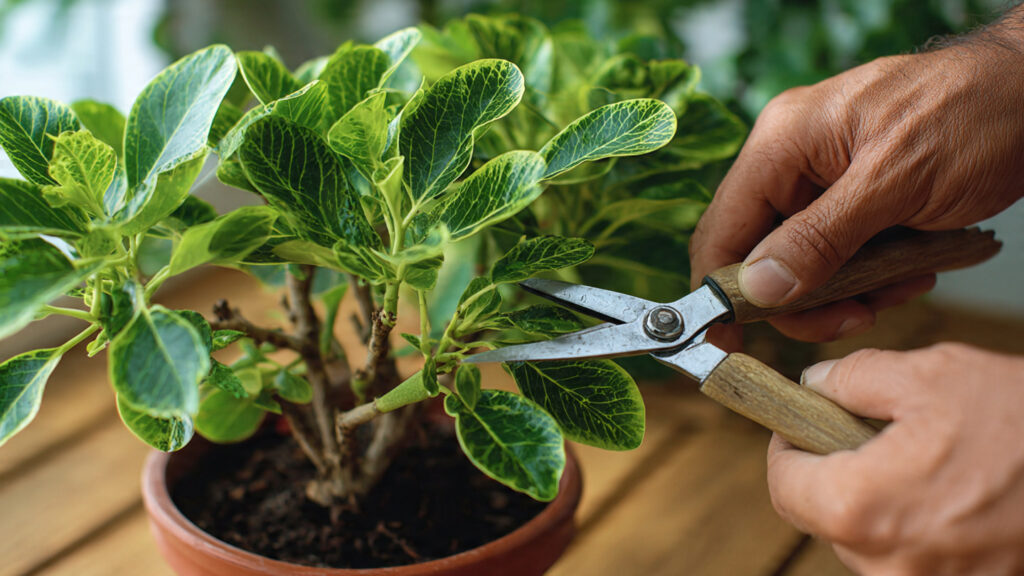
If you’ve ever admired a garden bursting with dense foliage, vibrant blooms, and perfectly shaped shrubs, chances are thoughtful pruning played a major role. Many gardeners hesitate to prune because they fear damaging their plants. But when done correctly, pruning is one of the most powerful techniques for encouraging fuller, healthier growth.
Pruning isn’t just about making plants look neat. It stimulates new shoots, improves air circulation, prevents disease, and directs the plant’s energy where it matters most. Whether you’re shaping flowering shrubs, herbs, vegetables, or houseplants, understanding how and when to prune can transform your garden dramatically.
Let’s explore how you can prune your plants for fuller growth—and do it with confidence.
Why Pruning Encourages Fuller Growth
Plants grow from specialized tissues called meristems, found at the tips of stems and branches. The tip of a branch produces hormones that suppress side growth—a phenomenon known as apical dominance.
When you remove the tip through pruning, the plant redirects energy to dormant side buds. This stimulates branching, resulting in a bushier and more compact plant rather than one tall, leggy stem.
In simple terms:
Cutting back encourages the plant to grow outward instead of upward.
The Best Time to Prune
Timing is crucial. Pruning at the wrong time can reduce flowering or stress the plant.
1. Spring-Flowering Plants
Plants that bloom in early spring, such as lilacs or forsythia, should be pruned right after flowering. These plants form buds on old wood, so pruning in late winter may remove next season’s blooms.
2. Summer-Flowering Plants
Plants that bloom in summer typically flower on new growth. Prune them in late winter or early spring before active growth begins.
3. Houseplants and Foliage Plants
Indoor plants can be pruned year-round, though spring and early summer are ideal when growth is strongest.
4. Vegetables and Herbs
Pinch herbs regularly to prevent flowering and promote bushiness. Tomatoes benefit from selective pruning to improve airflow and fruit production.
Understanding your plant’s growth cycle helps you prune without sacrificing flowers or fruit.
Tools You’ll Need
Using the right tools ensures clean cuts and reduces disease risk.
- Sharp bypass pruners for small stems
- Loppers for thicker branches
- Pruning saw for woody shrubs or trees
- Clean cloth and rubbing alcohol to disinfect tools
Always sterilize your tools before and after pruning, especially when dealing with diseased plants.
Basic Pruning Techniques for Fuller Growth
1. Pinching
Pinching involves removing the soft tip of a stem using your fingers or scissors. This is perfect for herbs, annual flowers, and young plants.
➡️ How to Grow Malabar Spinach from Cuttings for Fast, Easy Greens
➡️ How to Grow Super Delicious Cabbage at Home Without a Garden
➡️ How to Grow Bean Sprouts at Home in Plastic Bottles Easily (Step‑by‑Step Guide)
➡️ Why is Your Lemon Tree Blooming in the Heart of Winter?
➡️ Why Should Your Garden Have a Dedicated Pollinator Highway?
➡️ Why Do Your Fruit Trees Need a Winter Wash to Thrive in Spring?
➡️ How Can Rice Water Transform Your Fruits into Sweeter Delights?
➡️ Jumpstart Your Winter Garden: Seed Starting Under Lights
For example, pinching basil encourages multiple stems to form, leading to a fuller harvest. Regular pinching keeps the plant compact and productive.
2. Heading Back
Heading back means cutting a stem just above a leaf node or bud. This technique stimulates side branching and prevents legginess.
When making a cut:
- Cut about ¼ inch above a leaf node.
- Angle the cut slightly away from the bud.
- Avoid leaving long stubs.
This method is especially useful for flowering shrubs and houseplants.
3. Thinning
Thinning involves removing entire stems at their base. This improves airflow and light penetration while preventing overcrowding.
While thinning doesn’t directly create bushiness like heading back does, it strengthens remaining branches, allowing them to grow more vigorously.
4. Deadheading
Deadheading removes spent flowers before they go to seed. This redirects energy into producing new blooms rather than seed formation.
Many flowering plants bloom repeatedly when deadheaded regularly.
How to Prune Specific Plant Types
Shrubs
To encourage dense shrub growth:
- Remove weak or crossing branches.
- Cut back leggy stems by one-third.
- Maintain a natural shape rather than forcing symmetry.
Avoid shearing shrubs into tight shapes unless they’re formal hedges. Natural pruning encourages healthier internal growth.
Houseplants
Leggy houseplants often stretch toward light. Pruning encourages bushier growth.
For trailing plants like pothos:
- Cut just above a node.
- Use cuttings for propagation.
- Rotate the plant regularly for even light exposure.
Within weeks, you’ll notice new shoots emerging below the cut.
Herbs
Frequent harvesting acts as pruning. Never remove more than one-third of the plant at a time.
Pinch basil and mint regularly to prevent flowering, which can reduce leaf flavor and growth.
Tomatoes
Pruning tomatoes improves airflow and fruit quality. Remove “suckers” that grow between the main stem and branches.
For indeterminate varieties, selective pruning helps manage growth and encourages stronger fruit production.
Common Pruning Mistakes to Avoid
Even well-intentioned pruning can backfire if done incorrectly.
1. Over-Pruning
Removing too much foliage at once stresses plants and slows recovery. A general rule is to avoid removing more than 25–30% of a plant at one time.
2. Topping Trees
Cutting the top off trees severely damages structure and encourages weak growth. Always use proper structural pruning techniques.
3. Cutting at the Wrong Spot
Cutting too far above a bud leaves dead stubs. Cutting too close can damage the bud itself.
4. Using Dull Tools
Ragged cuts invite disease and pests. Keep blades sharp and clean.
How Pruning Improves Plant Health
Beyond fuller growth, pruning provides several health benefits:
- Removes diseased or damaged branches
- Improves air circulation
- Increases sunlight penetration
- Reduces fungal infections
- Strengthens branch structure
Healthy plants naturally grow fuller and stronger.
Encouraging Fuller Growth Naturally
Pruning works best when combined with good care practices.
✔ Provide Adequate Light
Plants in insufficient light become leggy, no matter how much you prune.
✔ Feed Properly
Balanced fertilization supports vigorous regrowth after pruning.
✔ Water Consistently
Plants need steady moisture to recover and branch out.
✔ Mulch Outdoor Plants
Mulch stabilizes soil temperature and moisture.
How Long Until You See Results?
Many plants respond within two to four weeks during the growing season. New shoots will appear near the cut site, gradually forming a bushier shape.
Patience is important. Avoid repeated pruning too quickly—give the plant time to respond.
Seasonal Pruning Strategy
To maintain consistent fullness:
- Early spring: Major shaping and structural pruning
- Late spring: Pinching and light trimming
- Summer: Deadheading and maintenance pruning
- Fall: Remove dead or diseased growth only
- Winter: Minimal pruning unless plant is dormant
A thoughtful seasonal plan keeps plants vigorous year-round.
The Psychology of Pruning
Pruning can feel intimidating. Cutting healthy growth seems counterproductive. But understanding plant biology builds confidence.
Think of pruning like a haircut. Done thoughtfully, it enhances shape and encourages healthier regrowth.
Start small if you’re unsure. Practice on fast-growing plants. Observe how they respond. Gardening is both science and art, and pruning is one of its most empowering skills.
Final Thoughts
Pruning is not about harming your plants—it’s about guiding them. By removing select growth, you redirect energy, stimulate branching, and create fuller, stronger plants.
When you prune correctly:
- Plants grow denser.
- Flowering improves.
- Structure strengthens.
- Overall health increases.
With sharp tools, proper timing, and a little courage, you can transform thin, leggy plants into lush, thriving specimens.