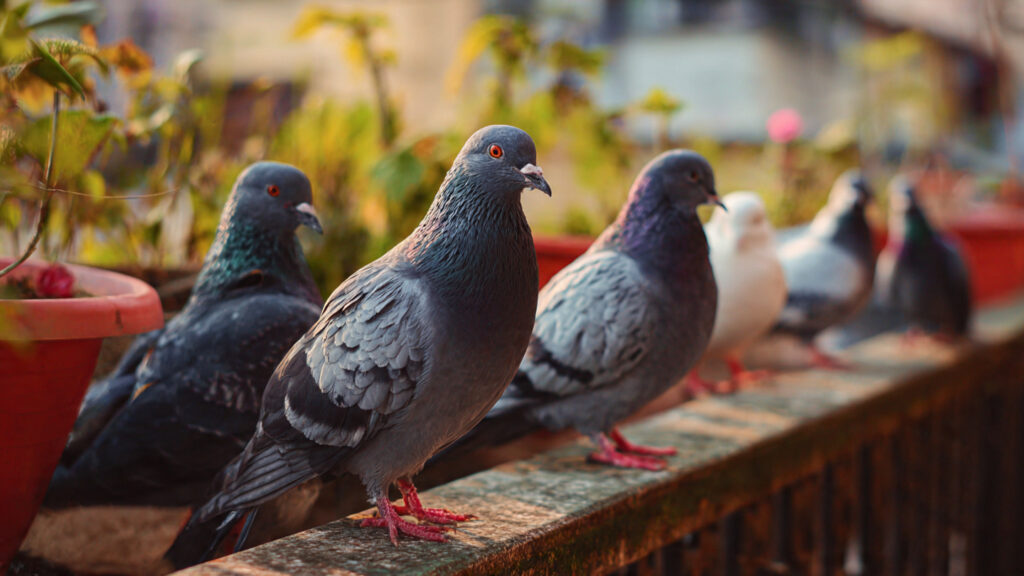
A balcony garden can be a peaceful green retreat in the middle of a busy city. Whether you’re growing herbs, flowering plants, or vegetables in containers, the space feels like your own little sanctuary. But when pigeons start invading—pecking at seedlings, scattering soil, and leaving droppings behind—that sanctuary quickly turns into a frustrating mess.
Pigeons are highly adaptable urban birds. Once they identify your balcony as a source of food, water, or safe resting space, they tend to return again and again. The good news? You don’t need harmful chemicals or cruel traps to keep them away. There are natural, humane, and effective ways to discourage pigeons while still protecting your plants.
Let’s explore practical strategies that work.
Why Pigeons Target Balcony Gardens
The common city pigeon, Columba livia, thrives in urban environments. Buildings mimic cliffs, and balconies provide shelter from predators. Your garden becomes attractive because it offers:
- Fresh water from plant saucers
- Seeds and seedlings
- Soft soil for nesting
- Warm, sheltered ledges
Understanding what attracts them helps you design smarter prevention methods.
1. Remove Food Sources Immediately
Pigeons are opportunistic feeders. If they find easy food, they will return consistently.
What to Check:
- Fallen seeds or grains
- Pet food left outdoors
- Overripe fruits
- Open compost containers
Natural Solution:
- Sweep your balcony daily.
- Use covered compost bins.
- Harvest ripe fruits promptly.
- Avoid scattering birdseed unless you want visitors.
Consistency is key. Once pigeons realize there’s no reliable food, they’ll often move on.
2. Eliminate Standing Water
Even a shallow saucer under a plant pot can act as a water station.
What to Do:
- Empty plant trays regularly.
- Water plants in the morning so excess moisture dries quickly.
- Fix leaking taps or drips.
Water access is a powerful attractant, especially during hot weather.
3. Install Physical Barriers (Humane & Safe)
One of the most effective natural solutions is simply making your balcony less accessible.
Bird Netting
Transparent, lightweight netting can block entry without harming birds. Make sure it’s tightly secured so pigeons cannot get trapped.
Balcony Mesh Screens
These allow airflow and sunlight but prevent birds from landing inside.
Plant Covers
Fine mesh or garden cloches protect delicate seedlings.
Physical barriers are often the most reliable long-term solution.
4. Use Reflective Deterrents
Pigeons are cautious birds and dislike unpredictable light movement.
➡️ How to Grow Malabar Spinach from Cuttings for Fast, Easy Greens
➡️ How to Grow Super Delicious Cabbage at Home Without a Garden
➡️ How to Grow Bean Sprouts at Home in Plastic Bottles Easily (Step‑by‑Step Guide)
➡️ Why is Your Lemon Tree Blooming in the Heart of Winter?
➡️ Why Should Your Garden Have a Dedicated Pollinator Highway?
➡️ Why Do Your Fruit Trees Need a Winter Wash to Thrive in Spring?
➡️ How Can Rice Water Transform Your Fruits into Sweeter Delights?
➡️ Jumpstart Your Winter Garden: Seed Starting Under Lights
Natural Reflective Options:
- Hanging old CDs
- Aluminum foil strips
- Reflective tape
- Wind chimes with metallic surfaces
Hang them where sunlight hits directly. The shifting reflections and sounds create discomfort without harming birds.
For best results, reposition reflective items occasionally so pigeons don’t become accustomed to them.
5. Introduce Natural Predator Signals
Pigeons instinctively avoid predators. Visual deterrents can signal danger.
Popular Options:
- Owl or hawk decoys
- Silhouettes of birds of prey
- Moving predator models
For example, models resembling species such as Bubo bubo can be effective visual deterrents when placed strategically.
Important tip: Move decoys every few days. If left in one spot, pigeons quickly realize they’re not real.
6. Apply Natural Smell Repellents
Pigeons rely heavily on sight but are sensitive to strong odors.
Natural Repellent Ideas:
- Crushed garlic
- Chili powder
- Peppermint oil diluted in water
- Vinegar spray (on non-sensitive surfaces)
Spray these around railings and ledges—not directly on plants unless tested first.
Note: These need reapplication after rain or heavy watering.
7. Make Surfaces Uncomfortable (But Safe)
Pigeons prefer flat, stable surfaces for landing and nesting.
Natural Methods:
- Install angled boards on railings.
- Use balcony spike strips (humane versions).
- Place decorative stones on wide ledges.
- Stretch fishing line loosely across railings to prevent stable footing.
The goal isn’t to harm the birds—just to make your balcony less inviting.
8. Prevent Nesting Early
If pigeons begin nesting, they become more persistent.
Signs of nesting:
- Twigs collecting in corners
- Repeated visits to the same spot
- Protective behavior
Early Action:
- Remove nesting materials promptly (before eggs are laid).
- Block corners with mesh or planters.
- Seal gaps behind air conditioners or shelves.
Stopping nesting behavior early prevents long-term problems.
9. Grow Plants That Naturally Discourage Birds
While no plant completely repels pigeons, certain herbs and strong-smelling plants may reduce attraction.
Consider adding:
- Mint
- Lavender
- Rosemary
- Basil
These herbs not only enhance your garden’s aroma but may create an environment pigeons find less comfortable.
10. Use Motion as a Deterrent
Pigeons dislike sudden movement.
Options Include:
- Pinwheels
- Hanging ribbons
- Small wind spinners
- Motion-activated sprinklers (if feasible)
Movement creates unpredictability, which pigeons prefer to avoid.
11. Maintain a Clean Balcony Routine
The biggest mistake many gardeners make is inconsistency. If you scare pigeons away one day but leave food scraps the next, they’ll return.
Create a routine:
- Sweep daily.
- Check corners weekly.
- Refresh deterrents regularly.
- Inspect for nesting attempts.
Persistence discourages repeat visits.
12. Understand Local Wildlife Regulations
In many areas, pigeons are protected under local wildlife guidelines. It’s important to use humane, non-lethal methods.
The rock dove, Columba livia, is widespread globally, and harming them can result in penalties in some regions.
Always choose ethical solutions that protect both your garden and local wildlife.
What Not to Do
Avoid these harmful or ineffective tactics:
- Using poison
- Destroying nests with eggs (may be illegal)
- Spraying toxic chemicals
- Attempting to trap birds without proper authorization
These methods can cause suffering and legal issues.
Combining Methods for Best Results
Rarely does one solution work perfectly on its own. The most effective approach combines:
- Removing food and water sources
- Installing physical barriers
- Adding reflective or motion deterrents
- Maintaining consistent cleaning
Layering strategies increases success dramatically.
How Long Does It Take to Work?
Pigeons are creatures of habit. If they’ve been visiting your balcony for months, it may take several weeks of consistent deterrence before they fully relocate.
However, once they determine your balcony is no longer comfortable or rewarding, they typically stop returning.
Final Thoughts
Keeping pigeons away from your balcony garden naturally is absolutely possible. It doesn’t require harsh chemicals or extreme measures—just smart design, consistency, and a little creativity.
By removing attractants, adding visual and physical deterrents, and maintaining a clean space, you send a clear message: this is not a suitable resting or feeding spot.
Your balcony should be a peaceful green haven, not a pigeon hangout. With humane and natural strategies in place, you can protect your plants, maintain cleanliness, and enjoy your garden without unwanted feathered guests.