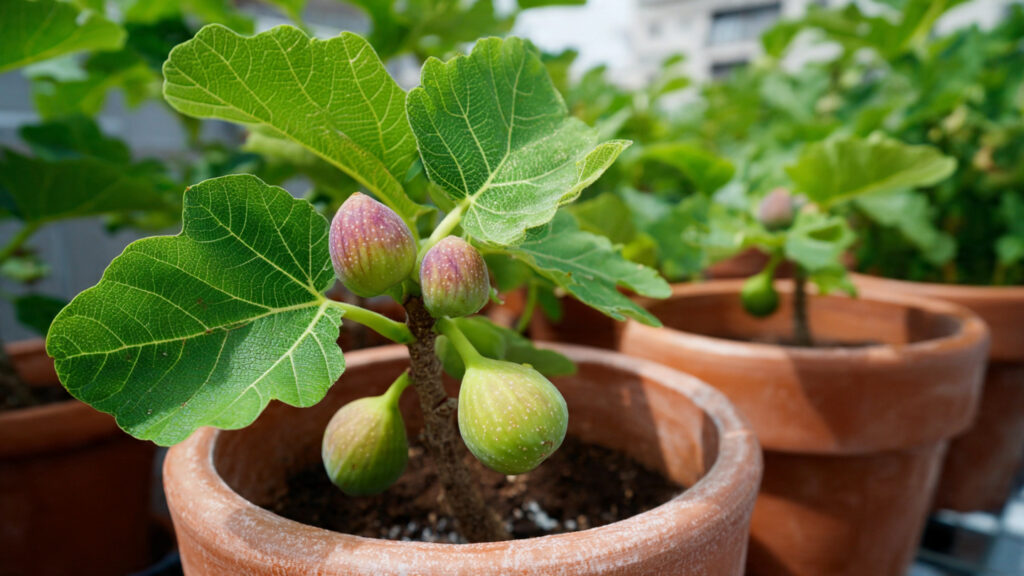
Figs are one of the most rewarding fruit trees to grow at home. Their sweet, nutrient-packed fruits and lush green leaves make them both delicious and ornamental. Traditionally, figs are grown in warm climates with ample space, but did you know you can successfully grow them in containers anywhere you live? With the right techniques, even apartment dwellers and gardeners in cooler regions can enjoy homegrown figs.
This complete guide will take you step by step through the process of growing figs in containers, ensuring healthy trees and bountiful harvests regardless of your location.
Why Grow Figs in Containers?
Growing figs in containers offers several advantages:
- Mobility: Container figs can be moved indoors or to sheltered areas during cold weather.
- Space efficiency: Ideal for balconies, patios, or small gardens.
- Control over soil and drainage: Prevents root rot and soil-borne diseases.
- Extended growing range: Enables fig cultivation even in regions with cold winters.
By choosing container cultivation, you can enjoy fresh figs year-round without needing a sprawling backyard.
Choosing the Right Fig Variety
Not all fig trees are suitable for container growing, so selecting the right variety is crucial. Some dwarf or compact varieties thrive in pots and produce abundant fruit.
Recommended container-friendly varieties:
- Petite Negra: Small size, produces sweet, dark figs.
- Brown Turkey: Reliable, cold-hardy, and productive.
- Celeste: Compact, sweet, and excellent for small containers.
- Ice Crystal: Ideal for indoor or greenhouse cultivation, very sweet and hardy.
Selecting the right variety ensures your container fig remains manageable while producing quality fruit.
Selecting the Right Container
The container is as important as the tree itself. Figs need room for roots to grow, but the pot size should also suit your space.
Container tips:
- Size: Start with a 15–20-gallon container for young trees. Mature trees may need 25–30 gallons.
- Material: Terracotta pots are ideal for breathability, while plastic or resin containers retain moisture better.
- Drainage: Ensure multiple drainage holes to prevent waterlogging, which can lead to root rot.
A well-chosen container gives your fig tree a healthy root environment and makes it easier to move for sunlight or protection from frost.
Choosing the Right Soil Mix
Fig trees thrive in well-draining soil with moderate fertility. Soil quality directly affects growth, fruit production, and overall health.
Soil preparation tips:
- Mix high-quality potting soil with sand or perlite for drainage.
- Add compost or organic matter to provide nutrients.
- Maintain slightly acidic to neutral pH (6.0–7.0) for optimal growth.
Proper soil ensures your container fig develops strong roots and can support abundant fruiting.
Planting Your Fig Tree
Planting in a container is straightforward but requires attention to detail:
- Fill the container with prepared soil, leaving enough space for the root ball.
- Remove the fig tree from its nursery pot and gently loosen the roots.
- Place the tree in the container, ensuring the root flare is level with the soil surface.
- Fill around the roots with soil, gently firming it to remove air pockets.
- Water thoroughly after planting to settle the soil and hydrate the tree.
Following these steps ensures your fig starts off healthy and strong.
➡️ How to Grow Malabar Spinach from Cuttings for Fast, Easy Greens
➡️ How to Grow Super Delicious Cabbage at Home Without a Garden
➡️ How to Grow Bean Sprouts at Home in Plastic Bottles Easily (Step‑by‑Step Guide)
➡️ Why is Your Lemon Tree Blooming in the Heart of Winter?
➡️ Why Should Your Garden Have a Dedicated Pollinator Highway?
➡️ Why Do Your Fruit Trees Need a Winter Wash to Thrive in Spring?
➡️ How Can Rice Water Transform Your Fruits into Sweeter Delights?
➡️ Jumpstart Your Winter Garden: Seed Starting Under Lights
Proper Watering Techniques
Figs require consistent but moderate watering, especially when grown in containers. Too much or too little water can stress the plant.
Watering tips:
- Water when the top inch of soil feels dry.
- Ensure excess water drains freely to avoid root rot.
- During fruiting season, increase watering slightly to support fruit development.
- Reduce watering in winter if the tree is dormant.
Monitoring moisture levels is crucial to maintaining healthy leaves, flowers, and fruit.
Sunlight Requirements
Figs are sun-loving trees and thrive with plenty of light.
Sunlight guidelines:
- Provide at least 6–8 hours of direct sunlight daily.
- In cooler regions, place containers near south-facing windows or outdoors during warmer months.
- Consider supplemental grow lights indoors if sunlight is insufficient.
Adequate sunlight ensures vigorous growth, healthy foliage, and sweeter fruit.
Fertilization and Feeding
Container figs rely entirely on the nutrients you provide, so regular feeding is essential.
Fertilization tips:
- Use a balanced, slow-release fertilizer or a fertilizer high in potassium for fruiting.
- Feed every 4–6 weeks during the growing season.
- Reduce or stop fertilizing in winter when the tree enters dormancy.
- Organic options like compost tea or seaweed extract can improve soil health and promote fruit development.
Proper fertilization ensures lush leaves and abundant, flavorful figs.
Pruning for Health and Productivity
Pruning is essential to keep container figs manageable, encourage fruiting, and maintain a healthy structure.
Pruning tips:
- Remove dead, damaged, or crossing branches.
- Trim excessive growth to maintain size suitable for your container.
- After harvest, lightly prune to shape the tree and stimulate new growth.
- Avoid heavy pruning in winter unless removing unhealthy wood.
Regular pruning encourages airflow, reduces disease risk, and improves fruit quality.
Protecting Fig Trees in Cold Climates
Container figs can be moved indoors during winter, allowing you to grow figs anywhere, even in colder climates.
Cold protection tips:
- Move containers to a sunny indoor location or greenhouse when temperatures drop below 32°F (0°C).
- Wrap the container with insulating material to protect roots.
- Reduce watering during dormancy to prevent root rot.
- If small branches freeze, prune them back in spring—they will regrow.
With these precautions, your fig tree can survive frost and continue producing fruit year after year.
Pollination and Fruiting
Most common fig varieties are self-pollinating, so you can grow them in containers without worrying about insects. However, proper care enhances fruit production.
Tips for fruiting success:
- Provide consistent watering and nutrients during flowering.
- Ensure adequate sunlight for fruit development.
- Remove any overcrowded branches to improve airflow and sunlight penetration.
- Harvest figs when they are soft, slightly drooping, and fragrant for peak sweetness.
Proper care during flowering and fruiting ensures superior flavor and high yields.
Harvesting and Storing Figs
Figs are best eaten freshly harvested, but they can also be stored or preserved:
Harvesting tips:
- Pick figs when they are fully ripe, soft to touch, and slightly drooping.
- Check daily during the fruiting season, as figs ripen quickly.
Storage tips:
- Store fresh figs in the refrigerator for up to 5 days.
- Dry figs for longer storage or make jams, preserves, or baked dishes.
- Freezing figs is another option to enjoy them year-round.
With proper harvesting and storage, you can enjoy homegrown figs long after picking.
Final Tips for Container Fig Success
- Choose compact, container-friendly varieties.
- Provide well-draining soil, ample sunlight, and consistent watering.
- Fertilize regularly during the growing season for healthy growth and fruiting.
- Prune to maintain manageable size and encourage airflow.
- Protect your tree in cold climates by moving it indoors or insulating the container.
- Harvest figs at peak ripeness for maximum flavor.
Following these tips allows gardeners everywhere to grow healthy, productive fig trees in containers, whether on a balcony, patio, or small backyard.
Final Thoughts
Growing figs in containers anywhere you live is entirely possible with the right approach. Container cultivation provides flexibility, control, and the ability to enjoy sweet, homegrown figs even in regions that are traditionally unsuitable for fig trees.
From choosing the right variety to providing proper care, watering, sunlight, and pruning, container fig gardening allows you to experience the joys of fruit cultivation without the need for a large yard. With patience and attention, you can enjoy fresh, nutrient-rich figs straight from your container garden, adding flavor and nutrition to your meals while beautifying your space with a lush, productive tree.
Whether you’re a seasoned gardener or a beginner, container figs offer a rewarding, flavorful, and manageable way to grow fruit at home—anywhere in the world.