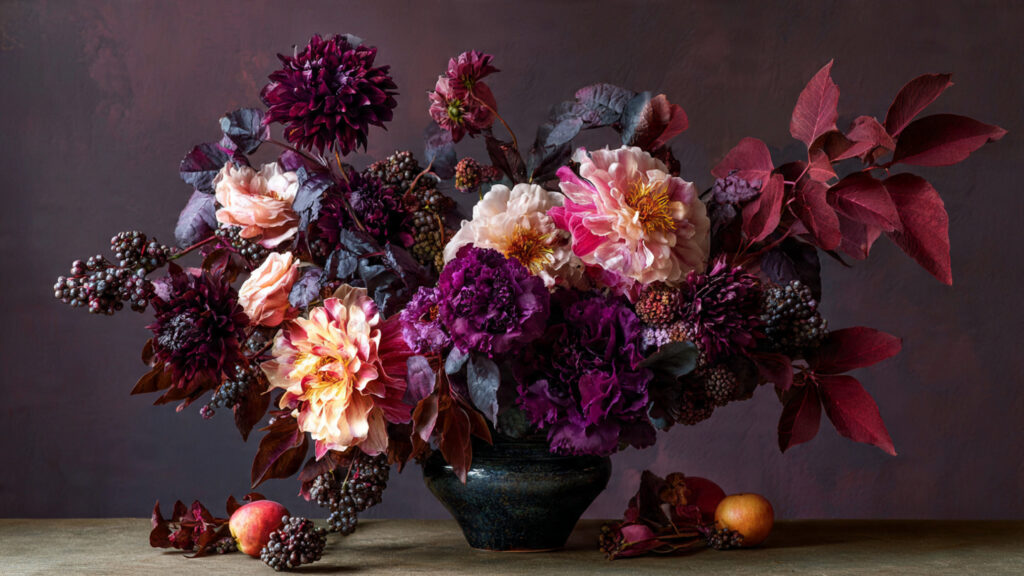
Gardening is not just about growing plants—it’s about creating visual drama, contrast, and beauty that captivates the eye. One of the most striking ways to achieve this is by incorporating plants with bold, deep burgundy foliage. The rich, dark tones of burgundy leaves provide a stunning backdrop for flowers, creating a sophisticated and dramatic garden aesthetic. Whether you’re designing a small balcony garden, a backyard flower bed, or a large landscape, understanding how to pair foliage and flowers effectively can transform your garden into a vibrant masterpiece. This article explores the techniques, plant selections, and design strategies for achieving stunning flowers against bold burgundy foliage.
Why Burgundy Foliage Adds Impact
Deep burgundy foliage has a natural ability to make flowers pop because of the high contrast it provides. Here’s why it works so well:
- Contrast with Light Colors: White, yellow, or soft pink flowers stand out brilliantly against dark burgundy leaves, creating a striking visual effect.
- Enhances Depth: Dark foliage adds depth and dimension to your garden, making floral arrangements look more layered and three-dimensional.
- Adds Drama and Sophistication: Burgundy tones exude elegance, providing a sense of luxury and boldness to any garden design.
- Versatility: Burgundy foliage complements a wide range of flower colors, making it suitable for various design styles, from modern minimalist gardens to classic English borders.
By combining color, texture, and placement, burgundy foliage becomes more than a background—it becomes a star in its own right.
Choosing the Right Burgundy Foliage Plants
The first step to achieving stunning flowers is selecting the right foliage plants. Some of the most popular options include:
1. Heuchera (Coral Bells)
- Known for its variety of burgundy shades, from deep purple-red to wine tones.
- Compact and versatile, perfect for borders, containers, and mixed beds.
- Produces delicate flower spikes that contrast beautifully against its bold leaves.
2. Japanese Maple (Acer palmatum)
- Many cultivars have rich burgundy leaves, such as ‘Bloodgood’ and ‘Atropurpureum’.
- Provides height and structure in flower beds or near focal points.
- Its leaf shape adds texture, complementing both flowers and other foliage plants.
3. Coleus
- Tropical plant with vivid burgundy, purple, and red tones.
- Excellent for containers and shaded garden areas.
- Pairs well with bright flowers like zinnias, impatiens, or marigolds.
4. Burgundy-Leaved Grasses
- Varieties like Imperata cylindrica ‘Red Baron’ provide vertical interest and striking color contrast.
- Their texture works beautifully against softer flower shapes.
5. Barberry Shrubs (Berberis thunbergii)
- Deep burgundy leaves add structure and color in larger landscapes.
- Clusters of yellow or pink flowers stand out against the dark foliage.
- Compact varieties can also be used in borders and hedges.
Selecting plants with complementary growth habits, textures, and heights ensures your garden will remain visually dynamic and balanced.
Choosing Flowers That Pop Against Burgundy Leaves
Once you have your burgundy foliage plants, the next step is to pair them with flowers that stand out. Consider the following strategies:
1. Light and Bright Flowers
- White flowers such as shasta daisies, lilies, or white impatiens create dramatic contrast.
- Soft pastels, like pale pink or peach, stand out while maintaining a sophisticated look.
- Light flowers brighten shaded burgundy plants, giving depth without overwhelming the foliage.
2. Bold, Vibrant Flowers
- Bright yellow, orange, or hot pink flowers like marigolds, zinnias, or nasturtiums pop against burgundy leaves.
- The high contrast draws attention and adds energy to the garden design.
3. Complementary Dark Tones
- Deep red, purple, or magenta flowers blend with the foliage for a cohesive, moody aesthetic.
- Varieties such as dark dahlias, petunias, or salvia provide depth and richness to your flower beds.
The key is balance—too many bright colors can overwhelm, while too many dark tones may flatten the visual impact. Combining light and bold flowers with burgundy foliage achieves a dynamic and eye-catching display.
Garden Design Tips for Maximum Impact
In addition to choosing the right plants, design principles play a major role in achieving stunning effects:
1. Layering and Height Variation
- Place taller burgundy foliage plants like Japanese maples or barberries at the back of the bed.
- Medium-height flowers like dahlias, zinnias, or coreopsis go in the middle.
- Low-growing groundcover or heuchera fills the foreground.
Layering adds depth and ensures every flower and leaf is visible, preventing the dark foliage from dominating the scene.
2. Repetition and Rhythm
- Repeat burgundy foliage plants at intervals throughout the garden bed.
- This creates rhythm and continuity, guiding the eye naturally through the space.
- Interspersed flowers maintain variety without disrupting the cohesive design.
3. Texture Contrast
- Combine smooth leaves with textured flowers or grasses to create visual interest.
- Examples: velvety heuchera leaves with spiky salvias, or glossy barberry foliage with soft marigolds.
- Texture contrast enhances the drama of burgundy foliage, highlighting both color and form.
4. Consider Seasonal Interest
- Choose foliage and flower varieties that provide color throughout multiple seasons.
- Burgundy-leaved plants like Japanese maples or heuchera maintain their striking tones in spring and fall.
- Seasonal flowers like pansies, petunias, or marigolds keep color vibrant through summer and early autumn.
Container Gardening with Burgundy Foliage
For small spaces, containers are a fantastic way to showcase burgundy foliage and flowers:
- Use deep-colored pots to complement the leaves.
- Pair tall burgundy plants with cascading flowers like petunias or fuchsias.
- Mix textures with foliage plants like coleus or ornamental cabbage to create layered, eye-catching arrangements.
Containers are flexible, allowing you to move plants to achieve the perfect light, color contrast, or seasonal display.
Maintenance Tips for Vibrant Foliage
Bold burgundy foliage requires some care to maintain its striking color:
- Sunlight: Many burgundy-leaved plants require partial to full sun to maintain deep color. Too much shade can dull the leaves.
- Soil: Well-drained soil with organic matter supports healthy foliage growth.
- Watering: Keep the soil evenly moist; avoid overwatering, which can lead to fungal diseases.
- Pruning: Remove dead leaves and flowers to maintain plant vigor and encourage new growth.
- Fertilizing: Balanced fertilizer helps foliage maintain intensity and supports flowering simultaneously.
Proper care ensures both foliage and flowers remain vibrant throughout the growing season.
Creative Pairing Ideas
Here are some practical examples of plant and flower combinations for stunning effect:
- Heuchera + White Astilbe: The deep burgundy leaves highlight the feathery white flowers, creating an elegant display.
- Japanese Maple + Yellow Daylilies: Tall, dark leaves contrast beautifully with sunny yellow blooms.
- Coleus + Petunias: Bright pink or magenta petunias pop against the rich burgundy tones of coleus foliage.
- Barberry Shrub + Lavender: Dark leaves provide a dramatic backdrop for soft purple spikes of lavender.
- Burgundy Grasses + Orange Marigolds: Vertical foliage and bright flowers create striking texture and color contrast.
Experimenting with combinations allows gardeners to achieve their desired aesthetic, whether dramatic, romantic, or modern.
➡️ How to Grow Malabar Spinach from Cuttings for Fast, Easy Greens
➡️ How to Grow Super Delicious Cabbage at Home Without a Garden
➡️ How to Grow Bean Sprouts at Home in Plastic Bottles Easily (Step‑by‑Step Guide)
➡️ Why is Your Lemon Tree Blooming in the Heart of Winter?
➡️ Why Should Your Garden Have a Dedicated Pollinator Highway?
➡️ Why Do Your Fruit Trees Need a Winter Wash to Thrive in Spring?
➡️ How Can Rice Water Transform Your Fruits into Sweeter Delights?
➡️ Jumpstart Your Winter Garden: Seed Starting Under Lights
Final Thoughts
Using bold deep burgundy foliage is one of the most effective ways to create a stunning garden. By selecting the right plants, pairing them with complementary flowers, and applying design principles such as layering, repetition, and texture contrast, you can transform ordinary flower beds into visually striking landscapes.
Whether in a large garden or a small balcony, burgundy-leaved plants add depth, drama, and sophistication, making flowers appear brighter and more vibrant. With proper care, sunlight, and seasonal planning, your garden can become a masterpiece of color and form, captivating anyone who visits.
So, if you want to achieve truly stunning flowers, consider bold deep burgundy foliage as your secret weapon. Its rich, dramatic tones are more than a backdrop—they are an essential element that elevates your garden’s beauty to a whole new level.