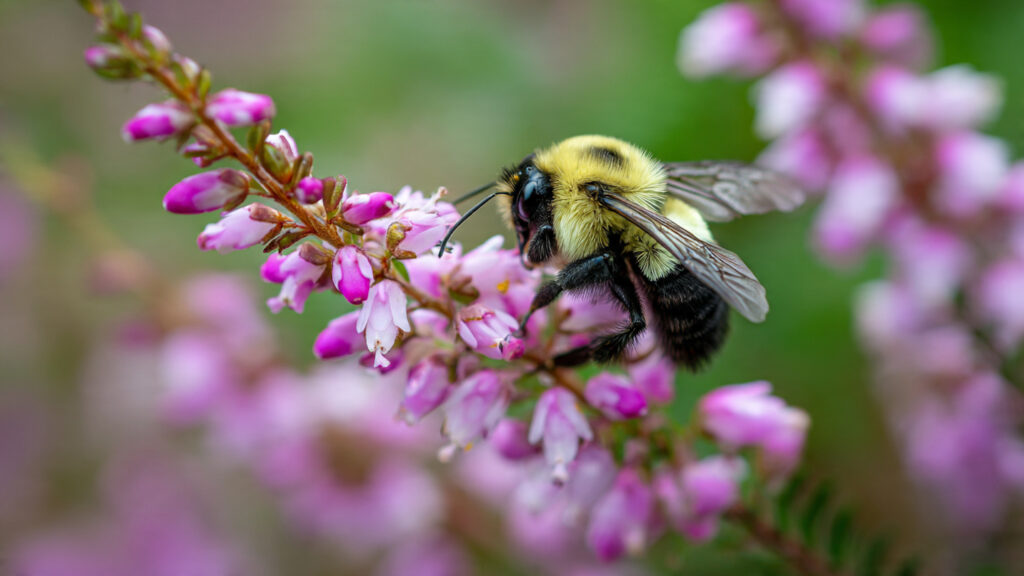
Pollinators are the unsung heroes of our ecosystems. They are essential for the reproduction of flowering plants, the production of fruits and vegetables, and the overall health of gardens and natural landscapes. Yet, in recent years, pollinator populations—including bees, butterflies, and hummingbirds—have been declining due to habitat loss, pesticide use, and climate change. One innovative solution gaining traction among gardeners and conservationists is the creation of a dedicated pollinator highway.
A pollinator highway is a thoughtfully designed network of flowers, shrubs, and habitats that provides pollinators with the resources they need to thrive. Whether implemented across a backyard garden, urban spaces, or community green belts, these corridors support biodiversity, food production, and environmental resilience.
What Is a Pollinator Highway?
A pollinator highway is essentially a continuous or connected series of plantings and habitats that cater specifically to pollinating species. Unlike isolated flower beds, these highways ensure that pollinators have consistent access to food, shelter, and nesting areas.
Key features of a pollinator highway include:
- Continuous blooms: Plants that flower in succession throughout the growing season.
- Diverse species: Native flowers, shrubs, and trees that provide nectar and pollen.
- Shelter: Areas with tall grasses, shrubs, or nesting boxes to protect pollinators.
- Chemical-free management: Avoiding pesticides and herbicides that harm pollinators.
By incorporating these elements, gardeners can create spaces that sustain pollinator populations and encourage healthy, vibrant ecosystems.
Why Pollinator Highways Matter
Pollinator highways are not just a gardening trend—they are critical for environmental and human health.
1. Supporting Biodiversity
Pollinators are keystone species, meaning their survival has a ripple effect on the entire ecosystem. A diverse pollinator population supports a variety of plants, which in turn provide food and habitat for other wildlife, including birds, small mammals, and insects.
2. Boosting Food Production
Many fruits, vegetables, and nuts depend on pollinators for fruit set and seed development. By creating a pollinator highway, gardeners can improve crop yields and quality. Examples of pollinator-dependent plants include:
- Tomatoes, peppers, and cucumbers
- Strawberries and blueberries
- Apples, cherries, and almonds
Even small gardens benefit, as pollinators move efficiently between flowering plants, enhancing pollination and fruit production.
3. Combating Habitat Loss
Urbanization, monoculture agriculture, and lawn-dominated landscapes reduce the availability of natural habitats for pollinators. A pollinator highway restores essential resources by providing flowers, nesting sites, and water sources, effectively mitigating habitat fragmentation.
4. Promoting Resilience Against Climate Change
Pollinator highways support resilient ecosystems. Diverse pollinator populations improve plant reproduction, which strengthens habitats and helps ecosystems adapt to changing climates. Well-planned pollinator corridors also act as refuges during extreme weather events.
Designing Your Garden’s Pollinator Highway
Creating a pollinator highway may seem daunting, but even small gardens can make a meaningful impact. Here’s a step-by-step guide:
Step 1: Choose Native Plants
Native plants are best suited for local pollinators. They provide the right combination of nectar, pollen, and structure for species that have co-evolved with them. Consider including:
- Wildflowers such as coneflowers, black-eyed Susans, and milkweed
- Native shrubs like butterfly bush or serviceberry
- Trees like maple, oak, or cherry, which bloom early in the season
Diversity is key—mix plants with different bloom times, colors, and heights to support a variety of pollinators.
Step 2: Ensure Successional Blooming
A successful pollinator highway offers blooms from early spring through late fall. This provides continuous food for pollinators and reduces gaps in resources.
➡️ How to Grow Malabar Spinach from Cuttings for Fast, Easy Greens
➡️ How to Grow Super Delicious Cabbage at Home Without a Garden
➡️ How to Grow Bean Sprouts at Home in Plastic Bottles Easily (Step‑by‑Step Guide)
➡️ Why is Your Lemon Tree Blooming in the Heart of Winter?
➡️ Why Should Your Garden Have a Dedicated Pollinator Highway?
➡️ Why Do Your Fruit Trees Need a Winter Wash to Thrive in Spring?
➡️ How Can Rice Water Transform Your Fruits into Sweeter Delights?
➡️ Jumpstart Your Winter Garden: Seed Starting Under Lights
- Early bloomers: Crocus, snowdrops, hellebores
- Mid-season bloomers: Lavender, zinnias, sunflowers
- Late bloomers: Goldenrod, asters, sedums
Planning for staggered bloom times ensures pollinators always have access to energy-rich flowers.
Step 3: Provide Shelter and Nesting Areas
Pollinators need more than flowers—they need safe places to rest, reproduce, and take shelter from weather. Include:
- Bare soil patches for ground-nesting bees
- Hollow stems or bee hotels for cavity-nesting species
- Dense shrubs or ornamental grasses for butterflies to hide
Even small shelters can make a significant difference in urban or backyard gardens.
Step 4: Create Water Sources
Pollinators require water, especially during hot, dry months. Consider:
- Shallow dishes with stones for bees and butterflies to land on
- Small birdbaths or pond edges for hummingbirds and other pollinators
- Avoid deep water sources that can trap insects
Water complements food and shelter, creating a fully supportive environment.
Step 5: Minimize Chemical Use
Pesticides, herbicides, and fungicides can harm pollinators and their larvae. Organic gardening practices are critical:
- Use natural pest control methods like ladybugs, lacewings, or neem oil
- Remove invasive weeds manually rather than chemically
- Avoid neonicotinoid-treated plants and seeds
By maintaining a chemical-free space, your pollinator highway becomes a safe haven for insects and birds alike.
Benefits Beyond Pollinators
While pollinator highways directly benefit bees, butterflies, and hummingbirds, the positive effects ripple outward:
- Improved soil health: Diverse plant roots enhance soil structure and fertility.
- Pest control: Attracting beneficial insects like ladybugs and lacewings reduces the need for chemical pesticides.
- Enhanced garden beauty: Colorful blooms and abundant wildlife create visually stunning, dynamic spaces.
- Mental well-being: Observing pollinators can be relaxing and therapeutic, boosting mood and reducing stress.
Pollinator highways transform gardens into vibrant ecosystems that support both nature and human enjoyment.
Community and Urban Impacts
Pollinator highways are not limited to private gardens—they can be integrated into public spaces and urban planning:
- Green corridors: Streetscapes, parks, and medians can feature native flowering plants.
- School gardens: Educate children about pollinators while providing habitat.
- Urban rooftops: Rooftop gardens and planters can serve as stepping stones for pollinator movement.
Cities that embrace pollinator highways help protect biodiversity while making neighborhoods greener, healthier, and more attractive.
Practical Tips for Getting Started
- Start Small: Even a single row of pollinator-friendly plants along a fence or walkway creates a corridor.
- Group Plants in Clumps: Pollinators are more attracted to clusters of flowers than isolated blooms.
- Avoid Hybrid Flowers: Some hybrids have reduced nectar or pollen; native varieties are best.
- Monitor and Adapt: Observe which species visit your garden and adjust plantings to meet their needs.
- Educate Neighbors: Encouraging neighboring gardens to include pollinator plants expands the highway network.
With thoughtful planning, your garden can become part of a larger pollinator-friendly ecosystem.
Final Thoughts
Pollinator highways are more than a gardening trend—they are a practical and impactful way to support essential species, enhance food production, and create vibrant, beautiful spaces. By planting diverse, native flowers, providing shelter and water, and avoiding chemicals, you create an environment where pollinators can thrive.
Even small gardens make a difference. A backyard pollinator highway contributes to regional biodiversity, supports local agriculture, and brings nature closer to our daily lives. As pollinator populations face ongoing challenges, these dedicated corridors offer hope, resilience, and beauty.
Whether you are a seasoned gardener or just starting, investing in a pollinator highway is a tangible way to protect ecosystems, boost your garden’s productivity, and enjoy a flourishing, lively outdoor space. By making your garden pollinator-friendly, you ensure that the vital work of bees, butterflies, hummingbirds, and other pollinators continues for generations to come.