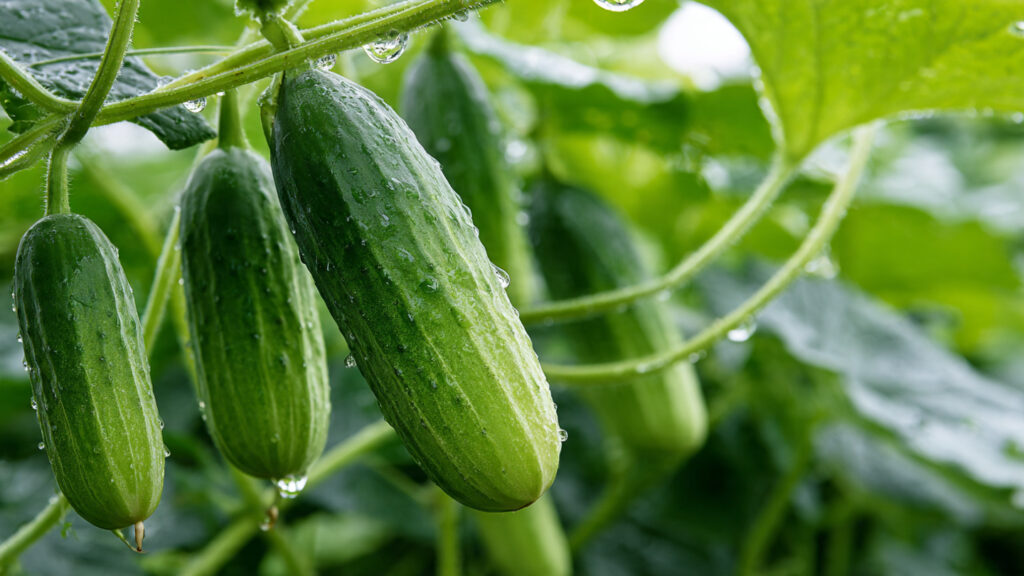
Cucumbers are one of the most refreshing vegetables you can grow in your garden, perfect for salads, pickles, and refreshing summer snacks. But nothing is more disappointing than biting into a cucumber that tastes bitter. Bitter cucumbers are a common problem for gardeners, but with the right approach, you can grow crisp, sweet, and juicy cucumbers every time. In this guide, we’ll explore why cucumbers become bitter and, most importantly, how you can prevent it.
Understanding the Bitter Taste in Cucumbers
The bitter taste in cucumbers is caused by natural compounds called cucurbitacins. These are present in all cucumbers but usually in tiny amounts that don’t affect taste. However, several factors can trigger higher cucurbitacin levels, making cucumbers bitter:
- Genetics: Some cucumber varieties naturally produce more cucurbitacins.
- Stress: Environmental stress such as heat, drought, or irregular watering can increase bitterness.
- Over-maturity: Cucumbers left on the vine too long develop a bitter taste.
- Poor soil nutrition: Lack of essential nutrients like potassium and magnesium can contribute to bitterness.
Understanding these factors helps you take preventive measures to grow consistently crisp and flavorful cucumbers.
Choosing the Right Cucumber Varieties
Starting with the right variety is the first step toward bitterness-free cucumbers. Modern hybrids have been bred to minimize cucurbitacin content. Here are some tips for selecting the best seeds:
- Pick hybrid varieties: Hybrids such as ‘Marketmore 76’, ‘Straight Eight’, or ‘Lemon Cucumber’ are known for their sweet flavor and low bitterness.
- Avoid wild cucumbers: Wild or heirloom types sometimes contain higher cucurbitacins, which can lead to bitter taste.
- Check seed labels: Look for terms like “burpless,” “bitterness-free,” or “resistant to cucurbitacin” on seed packets.
By choosing the right variety from the start, you reduce the risk of bitterness significantly.
Soil Preparation: The Foundation of Sweet Cucumbers
Healthy soil is crucial for growing cucumbers that are crisp and flavorful. Cucumbers are heavy feeders and thrive in nutrient-rich, well-drained soil. Follow these steps for optimal soil preparation:
- Test your soil pH: Cucumbers prefer slightly acidic to neutral soil, with a pH between 6.0 and 7.0.
- Add organic matter: Compost or well-rotted manure improves soil fertility, moisture retention, and texture.
- Include balanced nutrients: Ensure adequate potassium, magnesium, and calcium. Potassium, in particular, helps cucumbers develop sweetness and reduces bitterness.
- Avoid excessive nitrogen: While nitrogen encourages leafy growth, too much can stress the plant and increase cucurbitacin levels.
Healthy soil reduces stress on the plant, which in turn keeps cucumbers crisp and delicious.
Proper Planting Techniques
Cucumbers can be grown on the ground or trained vertically on trellises. Proper planting ensures better airflow, sunlight, and reduced stress—factors that influence bitterness.
- Spacing: Space plants 12-24 inches apart in rows 3-4 feet apart to allow good airflow and reduce disease risk.
- Trellising: Growing cucumbers vertically keeps fruits off the soil, making them cleaner and more uniform. It also reduces the chance of stress-induced bitterness.
- Timing: Plant cucumbers after the last frost when soil temperature is at least 70°F (21°C). Cold soil slows growth and can trigger bitterness.
Watering: Consistency is Key
One of the most common causes of bitter cucumbers is irregular watering. Cucumbers need consistent moisture, especially during flowering and fruit development.
- Water deeply and regularly: Aim for at least 1-2 inches of water per week.
- Avoid drought stress: Water stress can trigger cucurbitacin production, making cucumbers taste bitter.
- Mulch to retain moisture: Organic mulches like straw or shredded leaves help maintain soil moisture and keep roots cool.
Remember, cucumber roots are shallow, so even brief periods of dryness can affect taste.
Temperature and Sunlight
Cucumbers are sun-loving plants. Extreme heat or insufficient sunlight can stress the plant and lead to bitterness.
- Optimal temperature: Cucumbers grow best between 70°F and 85°F (21°C – 29°C).
- Avoid high heat stress: Prolonged temperatures above 90°F (32°C) can trigger bitterness.
- Provide full sun: At least 6-8 hours of sunlight per day ensures strong growth and better-tasting fruits.
In hot climates, consider providing light shade during peak afternoon hours to reduce heat stress.
Pollination Matters
Proper pollination is essential for cucumber fruit development. Poorly pollinated flowers can result in misshapen or bitter fruits.
- Encourage pollinators: Plant flowers nearby to attract bees and other pollinators.
- Hand pollination: For indoor or greenhouse cucumbers, gently transfer pollen from male flowers to female flowers with a small brush.
Consistent pollination leads to uniform fruits with optimal sweetness and texture.
Harvesting at the Right Time
Even perfectly grown cucumbers can turn bitter if left on the vine too long. Harvesting at the right stage is critical:
➡️ How to Grow Malabar Spinach from Cuttings for Fast, Easy Greens
➡️ How to Grow Super Delicious Cabbage at Home Without a Garden
➡️ How to Grow Bean Sprouts at Home in Plastic Bottles Easily (Step‑by‑Step Guide)
➡️ Why is Your Lemon Tree Blooming in the Heart of Winter?
➡️ Why Should Your Garden Have a Dedicated Pollinator Highway?
➡️ Why Do Your Fruit Trees Need a Winter Wash to Thrive in Spring?
➡️ How Can Rice Water Transform Your Fruits into Sweeter Delights?
➡️ Jumpstart Your Winter Garden: Seed Starting Under Lights
- Pick young and firm: Most slicing cucumbers are best harvested when 6-8 inches long.
- Check for uniform color: The skin should be bright green without yellowing.
- Frequent harvesting: Harvest every 2-3 days to prevent over-mature fruits, which can become bitter.
Frequent picking also encourages the plant to produce more fruits throughout the season.
Additional Tips to Prevent Bitterness
- Avoid transplant shock: If transplanting seedlings, harden them off gradually to reduce stress.
- Rotate crops: Avoid planting cucumbers in the same soil year after year to reduce disease and nutrient depletion.
- Control pests and diseases: Aphids, cucumber beetles, and powdery mildew stress plants, potentially increasing bitterness. Regular monitoring and organic treatments help maintain healthy plants.
- Prune carefully: Remove excessive leaves to improve airflow, but don’t over-prune, which can stress the plant.
Companion Planting for Better Flavor
Certain companion plants can enhance cucumber growth and flavor:
- Corn and beans: Provide natural shade and support.
- Dill and nasturtium: Attract beneficial insects that help pollination.
- Radishes: Repel pests and reduce plant stress.
Healthy companions reduce stress and support optimal fruit development, keeping cucumbers crisp and sweet.
Final Thoughts
Growing cucumbers that are crisp and never bitter is not a mystery—it’s about understanding plant needs and reducing stress factors. By selecting the right variety, preparing fertile soil, maintaining consistent watering, managing temperature, and harvesting at the perfect time, you can enjoy a bountiful harvest of sweet, crunchy cucumbers.
Remember, cucumbers reflect the care they receive. A little attention to soil health, sunlight, and hydration goes a long way toward producing perfectly flavored cucumbers that will be the highlight of your garden and your plate.
With patience and consistent care, your cucumber plants will reward you with sweet, crisp, and bitterness-free fruits all season long. Whether for refreshing summer salads, homemade pickles, or simply a healthy snack, these cucumbers will become the pride of your garden.