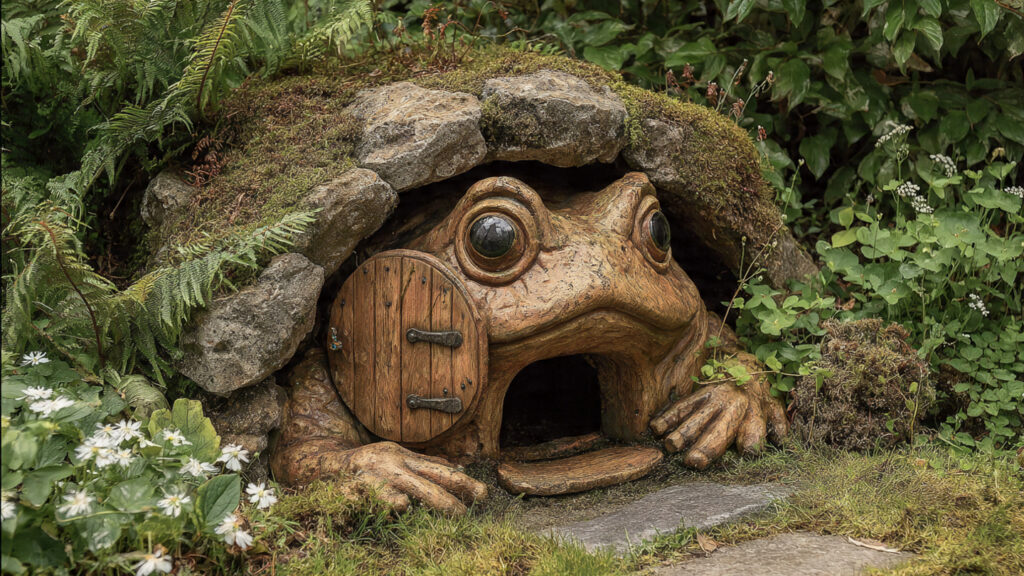
Imagine stepping into your garden on a warm summer evening and spotting a plump little toad nestled beneath leafy plants. While some gardeners overlook these quiet visitors, experienced growers know that toads are powerful allies. Providing a simple toad house can quietly transform your garden into a healthier, more balanced ecosystem.
A toad house isn’t decorative whimsy—it’s a strategic habitat addition. With minimal effort, you can attract one of nature’s most efficient pest controllers and dramatically reduce insect pressure in your beds.
So how exactly can a toad house change your garden this summer? Let’s explore the surprising benefits.
Why Toads Are Garden Superheroes
Toads are amphibians that thrive in moist, sheltered environments. Unlike frogs, they spend most of their time on land, making gardens an ideal habitat.
A single toad can consume hundreds of insects per night, including:
- Slugs
- Beetles
- Cutworms
- Earwigs
- Mosquitoes
- Caterpillars
Many of these pests damage vegetables, flowers, and seedlings. Instead of relying solely on chemical solutions, attracting toads offers natural, continuous pest control.
When you invite toads into your garden, you strengthen the natural food web.
What Is a Toad House?
A toad house is simply a cool, shaded shelter that provides protection from heat and predators during the day.
It can be:
- An overturned clay pot with a small entrance
- A purpose-built ceramic shelter
- A shaded rock arrangement
- A hollow log placed in moist soil
Toads are nocturnal. They hide during daylight hours to avoid dehydration and emerge at night to hunt.
Providing a dedicated shelter increases the likelihood they’ll stay in your garden instead of wandering elsewhere.
How a Toad House Improves Pest Control
Chemical pesticides often target specific pests but can harm beneficial insects and disrupt the balance of your garden.
Toads, however, hunt selectively based on availability. Their presence helps regulate insect populations naturally.
Because they feed at night, they target pests like slugs and cutworms that are most active after dark—precisely when gardeners aren’t watching.
Over time, this steady predation reduces infestations without harsh interventions.
➡️ How to Grow Malabar Spinach from Cuttings for Fast, Easy Greens
➡️ How to Grow Super Delicious Cabbage at Home Without a Garden
➡️ How to Grow Bean Sprouts at Home in Plastic Bottles Easily (Step‑by‑Step Guide)
➡️ Why is Your Lemon Tree Blooming in the Heart of Winter?
➡️ Why Should Your Garden Have a Dedicated Pollinator Highway?
➡️ Why Do Your Fruit Trees Need a Winter Wash to Thrive in Spring?
➡️ How Can Rice Water Transform Your Fruits into Sweeter Delights?
➡️ Jumpstart Your Winter Garden: Seed Starting Under Lights
Reduced Slug Damage
Slugs are notorious summer pests, especially in damp climates. They chew irregular holes in leaves, damage seedlings, and feast on ripening fruits.
Toads are among the few predators that actively consume slugs.
If your lettuce, hostas, or strawberries suffer from slug damage, encouraging toads can significantly reduce the problem.
One well-established toad can patrol a surprising area nightly.
Lower Mosquito Numbers
While toads primarily hunt ground-dwelling insects, they also consume flying insects within reach.
If your garden includes water features or moist zones, mosquitoes may breed nearby.
Toads feeding in those areas can help reduce mosquito populations naturally, making your outdoor space more enjoyable during summer evenings.
Supporting Biodiversity
Adding a toad house enhances biodiversity. Healthy gardens contain a range of organisms that interact in complex ways.
When toads settle in, they signal that your garden provides:
- Adequate moisture
- Safe shelter
- Minimal chemical exposure
- Abundant insect life
This indicates a balanced ecosystem.
Biodiverse gardens are more resilient to pest outbreaks and environmental stress.
How to Place a Toad House Properly
Placement matters.
Choose a Shady Location
Toads need cool shelter. Position the house under shrubs, near dense foliage, or beside a compost pile.
Provide Moist Soil
Keep the soil around the shelter slightly damp, especially during dry spells.
Create an Entrance
If using an overturned pot, prop one edge slightly to allow easy access.
Avoid Direct Sunlight
Heat can quickly dry out amphibians.
Keep It Undisturbed
Toads prefer stability. Once they settle in, avoid moving the house frequently.
Pairing a Toad House with Water
Toads don’t live in water like frogs, but they need moisture.
Consider adding:
- A shallow water dish
- A small pond with gently sloping sides
- Damp leaf litter nearby
Avoid deep containers without escape routes—amphibians can drown if they cannot climb out.
Even a simple shallow saucer refreshed regularly can help.
Avoiding Harmful Chemicals
If you want to attract and keep toads, avoid chemical pesticides and herbicides.
Amphibians absorb substances through their skin, making them highly sensitive to toxins.
Switching to organic practices not only supports toads but also benefits pollinators, birds, and soil life.
A toad house works best in a garden that prioritizes ecological balance.
Protecting Your Plants Indirectly
Healthy toad populations reduce the need for constant intervention.
Fewer pests mean:
- Healthier leaves
- Stronger seedlings
- Reduced fungal issues from slug damage
- Better fruit quality
Instead of fighting outbreaks reactively, you create proactive biological control.
Teaching Kids About Nature
A toad house also brings educational value.
Children often find amphibians fascinating. Observing a resident toad encourages curiosity about wildlife, life cycles, and ecological balance.
It turns your garden into a living classroom.
Learning to coexist with beneficial creatures fosters appreciation for sustainable gardening practices.
Common Myths About Toads
Some gardeners hesitate because of misconceptions.
Myth 1: Toads Cause Warts
False. Toads do not cause warts. Their bumpy skin is harmless, though it’s best to wash hands after handling any wildlife.
Myth 2: Toads Damage Plants
Toads do not eat plants. They are strictly carnivorous.
Myth 3: Toads Are Rare
In many regions, toads are present but need safe habitat to remain.
Providing shelter encourages them to settle where they are already passing through.
Seasonal Benefits
Spring
Toads become active as temperatures rise and help control early insect populations.
Summer
Peak pest control occurs as insects multiply rapidly.
Autumn
Toads continue feeding before winter dormancy.
During winter, they may burrow into soil or leaf litter to hibernate.
A year-round habitat supports long-term garden stability.
Designing a Toad-Friendly Garden
A toad house works best within a supportive environment.
Include:
- Mulched beds
- Native plants
- Shady ground cover
- Leaf litter zones
- Compost areas
These features provide hiding spots and hunting grounds.
Avoid overly sterile landscaping. Toads prefer natural textures and varied terrain.
Maintenance of a Toad House
Toad houses require minimal upkeep.
- Check periodically to ensure entrance remains clear.
- Maintain nearby moisture during heatwaves.
- Avoid disturbing occupants during daytime.
Unlike bird feeders or ponds, toad shelters demand little maintenance once established.
How Long Before Toads Move In?
Patience is key.
If toads are already in your area, they may discover the shelter within weeks. In other cases, it may take a season.
Consistency and a chemical-free environment increase your chances.
Sometimes, you may never see them directly—but notice reduced pest damage as evidence.
The Long-Term Impact
Over time, a single toad house can encourage multiple amphibians if habitat conditions are favorable.
Natural pest control becomes more stable.
Your garden begins to function as an ecosystem rather than a collection of isolated plants.
This ecological balance reduces stress, maintenance, and reliance on external inputs.
Final Thoughts
A toad house may seem like a small addition, but its impact can be transformative.
By offering simple shelter, you invite a powerful, natural pest controller into your garden. Toads quietly patrol at night, reduce harmful insects, and support biodiversity—all without chemicals or complex equipment.
This summer, instead of fighting pests alone, consider partnering with nature.
A shaded clay pot, a patch of moist soil, and a commitment to ecological gardening could turn your garden into a thriving, balanced haven.