Gardening is both an art and a science. Every gardener dreams of a thriving garden full of vibrant blooms, lush leaves, and bountiful harvests. But one of the biggest challenges in achieving this dream is dealing with pests. From aphids and caterpillars to beetles and whiteflies, pests can quickly damage plants, reduce yields, and even destroy entire gardens. While chemical pesticides are often used to combat these invaders, there’s a natural, eco-friendly solution that many gardeners swear by: the sacrifice plant. But what exactly is a sacrifice plant, and how can it protect your garden from pests? Let’s explore this fascinating technique in detail.
Understanding the Concept of a Sacrifice Plant
A sacrifice plant, sometimes called a “trap crop,” is a plant deliberately grown to attract pests away from your valuable crops or ornamental plants. The idea is simple: pests are drawn to the sacrifice plant, leaving your main garden plants unharmed.
This method has been used for centuries in organic gardening and permaculture practices. It’s an excellent example of biological pest control, where gardeners leverage nature’s balance rather than rely on chemicals.
How Sacrifice Plants Work
Sacrifice plants work on a principle called preferential feeding. Different pests have preferences for certain plants based on taste, smell, or nutritional needs. By planting a species that pests find irresistible, you create a natural “decoy” that keeps them away from more valuable plants.
For example:
- Aphids may prefer nasturtium leaves over tomatoes. Planting nasturtiums near your tomato plants can lure aphids away from the tomatoes.
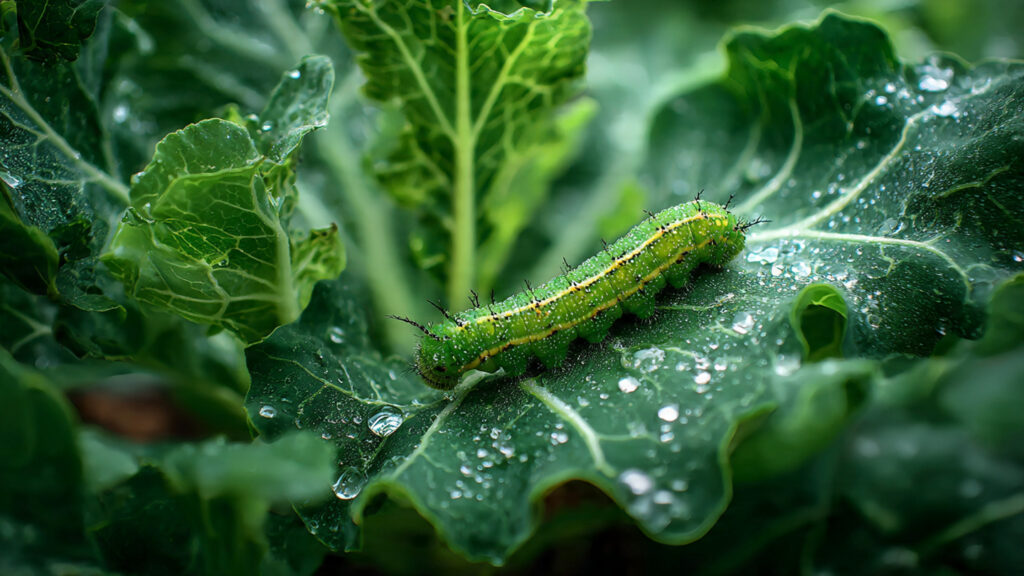
- Cabbage worms often attack kale and cabbage. Planting mustard greens nearby can keep worms occupied, protecting the main crops.
The key is to choose a sacrifice plant that is more attractive to the pest than your primary crops. This reduces pest damage and can even help you monitor pest populations before they spread widely.
Benefits of Using Sacrifice Plants
Using sacrifice plants offers multiple advantages beyond pest control:
- Reduces Chemical Use: By naturally diverting pests, you can minimize or eliminate the need for chemical pesticides. This is safer for you, your family, and beneficial insects like bees and ladybugs.
- Protects Valuable Crops: Sacrifice plants act as a buffer, ensuring high-value crops remain healthy and productive.
- Monitors Pest Activity: Seeing pests on the sacrifice plant allows gardeners to gauge pest pressure and intervene early if necessary.
- Encourages Biodiversity: Sacrifice plants often attract beneficial insects, such as pollinators and predators of pests, creating a balanced ecosystem.
- Cost-Effective: Many sacrifice plants are easy to grow, inexpensive, and require minimal care.
Choosing the Right Sacrifice Plant
The success of a sacrifice plant depends on selecting the right species for your garden and the specific pests you want to deter. Consider the following tips:
- Identify Your Pests: Determine which pests are the most damaging to your garden. Are they aphids, beetles, caterpillars, or whiteflies?
- Select a Preferred Host: Choose a plant that the pest naturally prefers over your main crops. Researching pest-plant relationships can help identify the best option.
- Consider Growth Habits: Sacrifice plants should be hardy and fast-growing to withstand pest attacks without collapsing.
- Space Strategically: Plant your sacrifice plants near the edges of your garden or close to the crops you want to protect. This makes it easier for pests to find the decoy first.
Some commonly used sacrifice plants include:
- Nasturtium: Attracts aphids, whiteflies, and caterpillars. Ideal for protecting tomatoes, cucumbers, and beans.
- Marigold: Repels nematodes while attracting pests like aphids away from other plants.
- Mustard Greens: Draws cabbage worms and flea beetles away from brassicas like kale, broccoli, and cabbage.
- Sunflowers: Lure aphids and leafhoppers, protecting nearby vegetables.
- Radish: Attracts flea beetles and cabbage maggots away from other crops.
Planting and Caring for Sacrifice Plants
To maximize the effectiveness of sacrifice plants, follow these best practices:
- Plant Before Main Crops: Establish your sacrifice plants first to ensure they are attractive when pests arrive.
- Maintain Healthy Growth: Water and fertilize sacrifice plants appropriately to keep them lush and appealing to pests.
- Monitor Pest Populations: Regularly check your sacrifice plants for signs of pests. If numbers become too high, you may need to remove infested leaves or prune heavily.
- Rotate Annually: To prevent pests from adapting to your garden layout, rotate your sacrifice plants each season.
- Integrate with Companion Planting: Sacrifice plants work best when combined with companion planting strategies. For example, planting marigolds near tomatoes not only attracts pests away but also enhances growth and flavor.
Harvesting and Using Sacrifice Plants
Some sacrifice plants, like nasturtium or mustard greens, are edible. Even though they are exposed to pests, they can still be used in salads, teas, or as animal fodder once pests are removed.
However, it’s important to inspect the leaves carefully. Avoid consuming plants that have been heavily infested with insects that carry diseases. In most cases, lightly infested plants are safe after washing thoroughly.
The Role of Beneficial Insects
A well-planned sacrifice plant strategy can also attract beneficial insects, enhancing your garden’s natural pest control. Ladybugs, lacewings, and parasitic wasps feed on common garden pests and often use sacrificial plants as a hunting ground. This reduces pest pressure on your main crops while supporting a balanced ecosystem.
For example:
- Aphids on nasturtium attract ladybugs that feed on both the aphids and other pests in your garden.
- Whiteflies on sunflowers attract predatory insects like hoverflies, which hunt across the entire garden.
By integrating sacrifice plants and beneficial insects, your garden becomes more resilient and self-sustaining.
➡️ How to Grow Malabar Spinach from Cuttings for Fast, Easy Greens
➡️ How to Grow Super Delicious Cabbage at Home Without a Garden
➡️ How to Grow Bean Sprouts at Home in Plastic Bottles Easily (Step‑by‑Step Guide)
➡️ Why is Your Lemon Tree Blooming in the Heart of Winter?
➡️ Why Should Your Garden Have a Dedicated Pollinator Highway?
➡️ Why Do Your Fruit Trees Need a Winter Wash to Thrive in Spring?
➡️ How Can Rice Water Transform Your Fruits into Sweeter Delights?
➡️ Jumpstart Your Winter Garden: Seed Starting Under Lights
Common Mistakes to Avoid
While sacrifice plants are highly effective, gardeners sometimes make mistakes that reduce their impact:
- Planting the Wrong Species: Not all pests are attracted to all plants. Research pest preferences carefully.
- Overcrowding: Sacrifice plants should not compete with main crops for sunlight, water, or nutrients. Plant them strategically.
- Neglecting Care: Even though these plants are meant to be sacrificial, they still need basic care to remain effective.
- Ignoring Pest Spillover: Sometimes pests can move from the sacrifice plant to other crops. Regular monitoring and early intervention are essential.
Real-Life Examples of Sacrifice Plants in Action
- Tomato Gardens: Nasturtiums planted around tomato plants consistently draw aphids away, resulting in healthier, stronger tomato plants.
- Brassica Crops: Mustard greens planted near cabbage or kale fields reduce cabbage worm infestations by acting as an alternative food source.
- Vegetable Gardens in Urban Spaces: Marigolds used along the edges of small garden beds attract pests while providing blooms that attract pollinators.
These examples demonstrate that the practice of using sacrifice plants is not just theory—it works in real-world gardens of all sizes.
Conclusion
Sacrifice plants are a simple yet powerful tool in the gardener’s arsenal. By strategically planting species that pests prefer over your main crops, you create a natural barrier that protects your garden without relying on chemicals. In addition to reducing pest damage, sacrifice plants can attract beneficial insects, enhance biodiversity, and even provide edible produce.
The key to success lies in choosing the right plant, planting it strategically, and monitoring pest activity regularly. When done correctly, your garden becomes a self-regulating ecosystem, where pests are naturally controlled and valuable plants thrive.
Whether you’re an organic gardener, a beginner, or someone looking to reduce pesticide use, incorporating sacrifice plants into your garden is a cost-effective, sustainable, and environmentally friendly strategy. Protect your crops, support beneficial insects, and enjoy the satisfaction of watching your garden flourish—one smartly chosen plant at a time.
Sacrifice plants are not just a defense mechanism; they are an essential part of a holistic approach to gardening, proving that sometimes, giving a little can protect a lot.