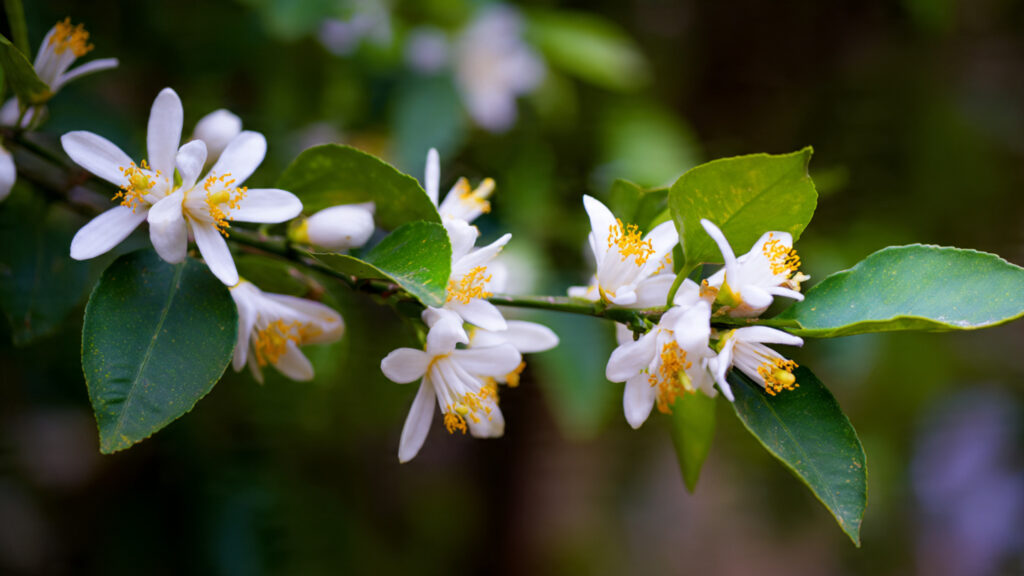
If you’re a home gardener, there’s nothing more surprising than seeing your lemon tree burst into fragrant blooms in the middle of winter. While most plants follow seasonal patterns, lemon trees (Citrus limon) sometimes defy the calendar, producing flowers when you least expect them. But why does this happen, and what does it mean for your tree’s health and fruit production? In this article, we’ll explore the science behind winter blooming, the environmental factors that trigger it, and how you can care for your lemon tree to make the most of these unexpected flowers.
Understanding Lemon Tree Blooming Cycles
Lemon trees naturally bloom several times a year, with the main flowering season often occurring in spring and summer. However, unlike many deciduous plants, lemon trees are evergreen and capable of blooming year-round under the right conditions.
Blooming is triggered by a combination of environmental cues, internal plant hormones, and stress factors. While winter blooms may seem unusual, they are a natural response to certain conditions rather than a cause for alarm.
Factors That Cause Winter Blooming
Several factors can contribute to a lemon tree flowering in the middle of winter:
1. Temperature Fluctuations
Lemon trees are sensitive to changes in temperature. A mild winter with warmer-than-usual daytime temperatures can trick the tree into thinking spring has arrived. Sudden warm spells followed by cooler nights often stimulate flower buds to develop and bloom prematurely.
2. Daylight Length
Although lemons don’t rely as heavily on day length as some plants, increasing sunlight exposure—even in winter—can signal the tree to bloom. If your lemon tree is placed near a sunny window or in a greenhouse, the extra light may encourage flowering.
3. Watering Patterns and Stress
Interestingly, mild stress can encourage lemon trees to bloom. If you’ve reduced watering slightly during winter or the tree has experienced drought-like conditions, it may respond by producing flowers in an effort to reproduce. This is a survival mechanism observed in many fruit trees.
4. Fertilization Timing
Over-fertilizing with nitrogen during winter can encourage leafy growth at the expense of flowers, but using a phosphorus- and potassium-rich fertilizer in small doses can stimulate flower bud formation, even in cooler months. Gardeners sometimes inadvertently trigger off-season blooms with winter fertilization.
5. Variety of Lemon Tree
Some lemon varieties are more prone to blooming year-round. For example:
- Eureka lemon trees – Often bloom multiple times per year.
- Meyer lemon trees – Known for continuous flowering and fruiting, even in winter.
Understanding your tree’s variety can help you anticipate and manage unexpected blooms.
Benefits of Winter Blooming
While it may seem unusual, winter blooming can actually have benefits:
- Early Fruit Production – Flowers that bloom in winter can develop into early fruit, extending your harvest season.
- Aesthetic Appeal – Fragrant blossoms brighten the winter garden, providing beauty and a pleasant aroma indoors.
- Pollination Practice – Winter blooms are ideal for hand pollination if natural pollinators are scarce.
Pollination During Winter
Unlike spring and summer, winter may have fewer pollinators like bees. To ensure your winter flowers produce fruit:
- Hand pollinate – Use a soft brush to transfer pollen from male to female flowers.
- Indoor pollinators – Tiny brushes or cotton swabs work well for indoor lemon trees.
- Controlled environment – Greenhouse or sunroom conditions can improve pollination success.
Even without pollination, flowers still contribute to the tree’s overall growth cycle, as the buds stimulate hormonal activity and branch development.
Care Tips for a Winter-Blooming Lemon Tree
When your lemon tree blooms in winter, proper care ensures both healthy flowers and a strong tree:
1. Watering
Keep the soil consistently moist but avoid waterlogging. Overwatering can lead to root rot, while under-watering may stress the tree and cause flower drop.
➡️ How to Grow Malabar Spinach from Cuttings for Fast, Easy Greens
➡️ How to Grow Super Delicious Cabbage at Home Without a Garden
➡️ How to Grow Bean Sprouts at Home in Plastic Bottles Easily (Step‑by‑Step Guide)
➡️ Why is Your Lemon Tree Blooming in the Heart of Winter?
➡️ Why Should Your Garden Have a Dedicated Pollinator Highway?
➡️ Why Do Your Fruit Trees Need a Winter Wash to Thrive in Spring?
➡️ How Can Rice Water Transform Your Fruits into Sweeter Delights?
➡️ Jumpstart Your Winter Garden: Seed Starting Under Lights
2. Temperature Management
Protect the tree from freezing or sudden cold drafts. Temperatures below 50°F (10°C) can harm flower buds and reduce fruit set. Indoor lemon trees benefit from stable room temperatures or placement near a sunny window.
3. Fertilization
Use a balanced, slow-release citrus fertilizer during winter, focusing on phosphorus and potassium to support flowering without promoting excessive leafy growth.
4. Pruning
Prune lightly after flowering to remove dead or weak branches. This improves air circulation, reduces disease risk, and encourages more blooms in the following season.
5. Pest Management
Winter blooms can attract pests like aphids, spider mites, and scale insects. Inspect leaves and flowers regularly and treat infestations promptly with organic insecticidal soap or neem oil.
Potential Drawbacks of Winter Blooming
While winter blooms are generally beneficial, there are a few potential downsides:
- Flower Drop – Cold temperatures or insufficient sunlight can cause blossoms to drop prematurely.
- Energy Strain – Producing flowers in winter consumes energy that might otherwise go into root or leaf development.
- Smaller Fruit – If flowers are pollinated during suboptimal conditions, resulting fruits may be smaller than usual.
Being aware of these issues allows you to adjust care practices and minimize negative impacts.
Maximizing Fruit from Winter Blooms
To turn winter blossoms into healthy fruit, follow these strategies:
- Hand pollinate early – Ensure pollen transfer before flower petals fall.
- Maintain warmth – Keep temperatures stable and avoid drafts.
- Regulate watering – Consistent moisture supports fruit set without diluting flavor.
- Mulch and feed lightly – Mulching retains soil warmth, while a mild fertilizer supports fruit development.
- Remove excess flowers – Thin out overcrowded blossoms to allow remaining fruits to grow larger and sweeter.
By combining these practices, your lemon tree can produce fruit even in the coldest months.
Fun Facts About Winter Blooming Citrus
- Meyer lemons are famous for blooming almost year-round, sometimes flowering three or four times in a year.
- Lemon flowers contain nectar that can attract pollinators indoors, such as tiny flies or bees brought into greenhouses.
- Some lemon varieties naturally produce more flowers during shorter daylight periods, which explains why winter blooms occur.
Understanding these traits helps gardeners predict and manage off-season blooms effectively.
Final Thoughts
Seeing your lemon tree bloom in the heart of winter is a fascinating reminder of the resilience and adaptability of plants. Rather than being unusual or problematic, winter blooms are a natural response to environmental cues and proper care. With attention to temperature, sunlight, watering, and pollination, you can turn these unexpected flowers into a fruitful harvest and enjoy fragrant blossoms even in the coldest months.
Home gardeners can use winter blooming as an opportunity to experiment with hand pollination, extend the harvesting season, and enjoy the visual and aromatic beauty of lemon blossoms indoors. So next time your lemon tree surprises you with winter flowers, embrace it—your garden is rewarding you with a unique glimpse into the life cycle of one of the world’s most beloved citrus plants.