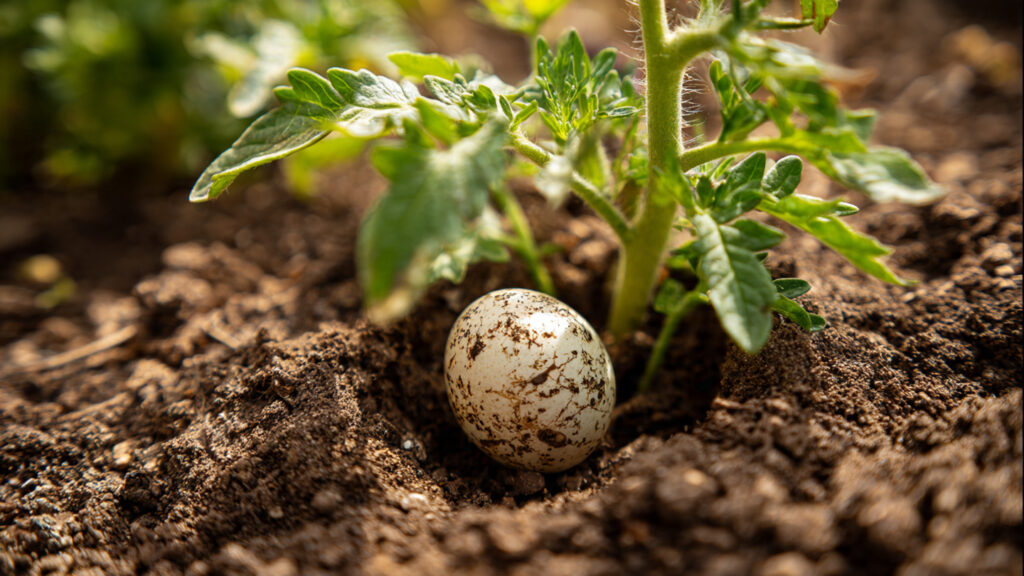
Every gardener dreams of growing plump, juicy, and flavorful tomatoes, but achieving a thriving tomato garden isn’t always straightforward. Soil quality, nutrients, pests, and proper planting techniques all play critical roles in success. One surprisingly simple and natural technique that can boost tomato growth and health is adding crushed eggshells to your tomato holes. This age-old gardening tip is cost-effective, environmentally friendly, and packed with benefits. Let’s explore why eggshells are a secret weapon for tomato lovers and how to use them effectively in your garden.
Understanding the Nutritional Value of Eggshells
Eggshells are more than just kitchen waste—they are a powerhouse of essential nutrients for plants:
- Calcium: Eggshells are primarily composed of calcium carbonate, a vital nutrient for strong cell walls. Tomatoes are prone to calcium deficiency, which can cause blossom end rot—a common issue where the bottom of the fruit turns dark and sunken. Adding eggshells provides a natural calcium source to prevent this problem.
- Trace minerals: Beyond calcium, eggshells contain small amounts of magnesium, potassium, and phosphorus, which contribute to overall plant health and growth.
- pH balance: Crushed eggshells can slightly reduce soil acidity, creating a favorable environment for tomatoes that prefer slightly acidic to neutral soil.
By reusing eggshells, gardeners can enhance soil fertility naturally, reduce waste, and help their tomatoes thrive.
How Eggshells Improve Soil Structure
Adding eggshells to your tomato holes doesn’t just provide nutrients—they also improve soil quality:
- Aeration: Crushed eggshells help break up compacted soil, allowing roots to penetrate more easily and absorb nutrients efficiently.
- Drainage: Mixing eggshells into the soil improves water drainage, preventing waterlogging, which tomatoes dislike.
- Microbial activity: Eggshells decompose slowly, providing a habitat for beneficial microbes that enhance nutrient availability.
Improved soil structure ensures that tomato roots grow strong and healthy, which is the foundation for higher yields and healthier plants.
Preventing Blossom End Rot Naturally
Blossom end rot is one of the most common problems gardeners face with tomatoes. It is caused by a calcium deficiency and inconsistent watering. Symptoms include dark, sunken spots on the bottom of the fruit, which can ruin an otherwise healthy crop.
Crushed eggshells act as a slow-release calcium supplement. When incorporated into the planting hole or sprinkled around the base of the plant, eggshells gradually break down, releasing calcium directly to the roots. Combined with consistent watering, this natural solution dramatically reduces the risk of blossom end rot, resulting in larger, healthier fruits.
Acting as a Natural Pest Deterrent
Eggshells also provide an unexpected benefit as a pest deterrent:
- Slugs and snails: The sharp edges of crushed eggshells can discourage soft-bodied pests from reaching your tomato plants. Simply scatter crushed shells around the base of each plant to form a protective barrier.
- Other pests: While not a complete solution, eggshells combined with other organic deterrents can help reduce pest damage without harmful chemicals.
Using eggshells this way is an eco-friendly approach to pest control, making your garden safer for kids, pets, and pollinators.
How to Prepare Eggshells for Your Tomato Holes
Not all eggshells are ready for garden use straight from the kitchen. Proper preparation ensures maximum benefit:
- Collect and clean: Rinse eggshells to remove any remaining egg residue, which can attract unwanted pests or odors.
- Dry thoroughly: Spread the shells on a baking sheet and allow them to air dry or bake at a low temperature for 10–15 minutes. This kills bacteria and speeds up breakdown in soil.
- Crush or grind: Crush shells with your hands, a rolling pin, or use a food processor to create small pieces. Finer pieces release calcium more quickly and mix better with soil.
- Store properly: Keep prepared eggshells in a dry container until planting day.
Well-prepared eggshells are easy to use and ensure your tomatoes receive the maximum nutrient boost.
How to Use Eggshells When Planting Tomatoes
Incorporating eggshells into your tomato planting routine is simple:
- At planting: When digging your tomato hole, add a tablespoon or two of crushed eggshells to the bottom of the hole.
- Mix with soil: Combine eggshells with compost or soil before placing the tomato plant to ensure even distribution.
- Around established plants: Sprinkle crushed shells around the base of existing plants and gently work them into the topsoil. Water thoroughly to help nutrients penetrate.
- Continuous supplementation: Reapply eggshells once or twice during the growing season to maintain calcium levels.
This technique integrates seamlessly with other organic practices, such as mulching and composting, for healthier, more productive tomato plants.
Pairing Eggshells with Other Natural Amendments
Eggshells work best when combined with other natural gardening methods:
- Compost: Mixing eggshells with compost improves nutrient density and promotes microbial activity.
- Coffee grounds: Used in moderation, coffee grounds add nitrogen and slightly improve soil structure.
- Mulch: Organic mulches retain soil moisture and regulate temperature, complementing eggshell benefits.
By using multiple natural amendments, your tomato plants will enjoy a balanced, nutrient-rich environment that encourages growth, flavor, and resilience.
➡️ How to Grow Malabar Spinach from Cuttings for Fast, Easy Greens
➡️ How to Grow Super Delicious Cabbage at Home Without a Garden
➡️ How to Grow Bean Sprouts at Home in Plastic Bottles Easily (Step‑by‑Step Guide)
➡️ Why is Your Lemon Tree Blooming in the Heart of Winter?
➡️ Why Should Your Garden Have a Dedicated Pollinator Highway?
➡️ Why Do Your Fruit Trees Need a Winter Wash to Thrive in Spring?
➡️ How Can Rice Water Transform Your Fruits into Sweeter Delights?
➡️ Jumpstart Your Winter Garden: Seed Starting Under Lights
Benefits Beyond Tomatoes
While eggshells are particularly beneficial for tomatoes, their advantages extend to other plants:
- Peppers: Prevent blossom end rot and boost overall health.
- Eggplants: Improve calcium intake and support strong growth.
- Houseplants: Small amounts of crushed eggshells in potting soil can enrich indoor plants as well.
This makes eggshells a versatile, sustainable, and cost-effective addition to any garden.
Eco-Friendly and Cost-Effective Gardening
Using eggshells in your garden is not just good for plants—it’s good for the environment:
- Waste reduction: Repurposing eggshells keeps them out of the landfill.
- No chemical fertilizers: Eggshells provide essential nutrients naturally, reducing reliance on synthetic fertilizers.
- Budget-friendly: Instead of buying commercial calcium supplements, gardeners can use eggshells they already have at home.
This approach aligns perfectly with sustainable gardening practices and encourages a more self-sufficient lifestyle.
Tips for Maximizing Eggshell Effectiveness
To get the most out of your eggshells in the garden:
- Crush finely: The smaller the pieces, the faster calcium becomes available.
- Combine with watering: Watering helps release calcium from eggshells into the soil.
- Monitor soil pH: Eggshells can slightly raise soil pH, so check your soil if you grow acid-loving plants nearby.
- Consistency is key: Regular application throughout the growing season maintains calcium levels for continuous plant health.
With these simple strategies, your tomatoes—and other crops—will thrive.
Final Thoughts
Adding crushed eggshells to your tomato holes is a simple, natural, and effective gardening technique that yields multiple benefits. From preventing blossom end rot to improving soil structure, providing essential calcium, and even deterring pests, eggshells are a versatile tool for both beginner and experienced gardeners.
By incorporating this sustainable practice into your gardening routine, you can grow healthier, more flavorful tomatoes while reducing waste and promoting eco-friendly habits. Whether you plant them at the base of your seedlings, mix them into the soil, or sprinkle around established plants, eggshells are a humble yet powerful ingredient for a thriving garden.
So next time you crack an egg in the kitchen, don’t toss the shell—your tomatoes will thank you.