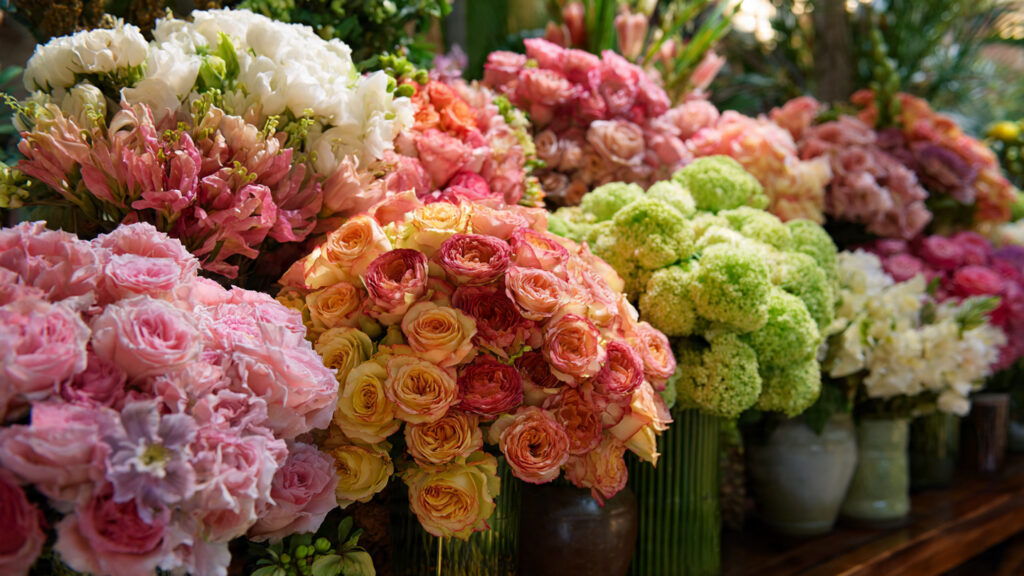
There’s something magical about a garden bursting with big, vibrant flowers. Massive blooms not only elevate the aesthetic of your outdoor space but also create an inviting atmosphere, attract pollinators, and give gardeners a satisfying sense of accomplishment. The good news? You don’t need to spend a fortune on fancy fertilizers, exotic plants, or expensive garden equipment to achieve stunning blooms. With smart planning, simple techniques, and a bit of patience, even gardeners on a tight budget can cultivate flowers that are bigger, brighter, and more abundant.
In this article, we’ll share the best tips for growing massive blooms without breaking the bank, covering everything from soil preparation to watering, fertilizing, and creative DIY solutions.
1. Choose the Right Plants for Big Blooms
The first step in growing massive flowers is selecting plants that are genetically predisposed to large blooms. Some flowers naturally produce bigger blossoms and thrive in various conditions without heavy investment. Examples include:
- Sunflowers – Known for their towering stalks and large, vibrant heads.
- Hibiscus – Tropical flowers with bold, showy blooms.
- Peonies – Classic, full-bodied flowers that can last for decades.
- Zinnias and Dahlias – Fast-growing annuals with impressive blooms.
When shopping, consider:
- Seed Packs Instead of Mature Plants – Seeds are far more budget-friendly than buying mature plants.
- Local Varieties – Plants adapted to your region often require fewer resources and care.
- Perennials – While slightly more expensive initially, perennials return year after year, making them cost-effective over time.
Choosing the right plants sets the foundation for healthy, massive blooms without unnecessary spending.
2. Prepare the Soil for Maximum Growth
Healthy soil is the key to big flowers. Even if you’re on a budget, improving soil fertility doesn’t have to cost a fortune. Here’s how:
- Use Compost – Homemade compost from kitchen scraps, leaves, or yard waste adds nutrients and organic matter.
- Mulch – Mulching around plants retains moisture, suppresses weeds, and enriches the soil as it decomposes. Affordable options include shredded leaves, grass clippings, or newspaper layers.
- Check pH and Nutrients – Many flowers prefer slightly acidic to neutral soil (pH 6–7). Simple home testing kits are inexpensive and can guide soil amendments.
- Loosen the Soil – Aerated, loose soil allows roots to expand, absorb nutrients, and support larger blooms. Use a garden fork or trowel to break compacted soil.
By preparing nutrient-rich soil, you give flowers the best chance to produce impressive, robust blooms without relying on costly chemical fertilizers.
3. Fertilize Smartly and Economically
While fertilizers promote growth, expensive synthetic options aren’t necessary for massive blooms. Instead, consider these budget-friendly alternatives:
- Homemade Fertilizers – Use kitchen scraps like coffee grounds (nitrogen), crushed eggshells (calcium), or banana peels (potassium).
- Organic Options – Compost tea, manure, or fish emulsion provide essential nutrients for healthy flowering.
- Timing Matters – Fertilize during active growth periods, typically in spring and early summer. Over-fertilizing can harm plants and increase costs unnecessarily.
The key is providing balanced nutrition to encourage large, vibrant blossoms while avoiding wasteful spending on expensive products.
4. Water Wisely for Healthier Blooms
Watering is often overlooked but is critical for big flowers. On a budget, conserving water while keeping plants hydrated ensures blooms reach their full potential:
- Deep Watering – Water slowly and deeply to encourage strong root systems. Shallow watering promotes weak roots and smaller flowers.
- Morning Routine – Watering in the morning reduces evaporation and ensures plants have moisture for photosynthesis.
- DIY Drip System – Use recycled bottles or hoses to create a simple drip irrigation system, delivering water directly to the roots and saving both water and money.
- Mulch Retention – Mulch also helps retain soil moisture, reducing the frequency of watering.
Proper watering leads to healthier plants, bigger blooms, and lower water bills—an all-around win.
5. Prune and Deadhead for Continuous Flowering
Massive blooms are more likely when plants focus energy on producing flowers rather than sustaining old or damaged growth. Two simple techniques can help:
- Deadheading – Remove spent flowers to encourage new blooms. It prevents plants from diverting energy into seed production.
- Pruning – Trim back overcrowded stems or foliage to improve air circulation, light penetration, and overall plant health.
Regular maintenance ensures your flowers stay vigorous and capable of producing large, showy blossoms season after season.
6. Provide Adequate Sunlight
Sunlight is a natural energy source that drives photosynthesis and supports flower growth. Ensure your blooms get the light they need:
- Know Your Plant’s Sun Requirements – Some flowers thrive in full sun, while others prefer partial shade. Place them in suitable spots accordingly.
- Reflective Surfaces – On a tight budget, reflective surfaces like light-colored walls or mirrors can help maximize sunlight exposure.
- Rotate Plants – If growing in containers, rotate plants occasionally to ensure even light distribution, preventing uneven growth or small flowers.
By optimizing sunlight, you allow plants to reach their full bloom potential without additional energy costs.
➡️ How to Grow Malabar Spinach from Cuttings for Fast, Easy Greens
➡️ How to Grow Super Delicious Cabbage at Home Without a Garden
➡️ How to Grow Bean Sprouts at Home in Plastic Bottles Easily (Step‑by‑Step Guide)
➡️ Why is Your Lemon Tree Blooming in the Heart of Winter?
➡️ Why Should Your Garden Have a Dedicated Pollinator Highway?
➡️ Why Do Your Fruit Trees Need a Winter Wash to Thrive in Spring?
➡️ How Can Rice Water Transform Your Fruits into Sweeter Delights?
➡️ Jumpstart Your Winter Garden: Seed Starting Under Lights
7. Use Companion Planting to Boost Growth
Companion planting is a clever, low-cost technique that encourages bigger blooms naturally. Certain plants work well together, enhancing growth and protecting against pests:
- Marigolds – Repel harmful insects while attracting pollinators to nearby flowers.
- Basil or Mint – Deters pests and improves overall plant health.
- Nitrogen-Fixing Plants – Beans or peas enrich soil naturally, providing nutrients for neighboring blooms.
Companion planting reduces reliance on chemicals and fertilizers while promoting healthier, more robust flowers.
8. Support Plants for Maximum Bloom Size
Some flowers produce larger blooms when their stems are supported properly. Budget-friendly methods include:
- Stakes or Bamboo Canes – Recycled stakes, bamboo sticks, or even old chopsticks can provide structural support.
- Trellises and Nets – For climbing or heavy-flowering plants, DIY trellises made from string or recycled materials prevent bending or breakage.
- Tie Gently – Use soft ties, twine, or strips of cloth to secure stems without damaging plant tissue.
Supporting plants ensures that their energy goes into bloom development rather than struggling to stay upright.
9. DIY Pest and Disease Control
Healthy flowers produce larger, more vibrant blooms, and pest management is key. Fortunately, you don’t need expensive chemicals:
- Natural Sprays – Soap and water sprays, neem oil, or garlic solutions are effective against common pests.
- Encourage Beneficial Insects – Ladybugs, lacewings, and bees naturally manage pests and pollinate flowers.
- Regular Inspection – Check leaves and stems for early signs of disease or infestation to prevent damage to blooms.
Budget-friendly pest control ensures your plants remain healthy, allowing them to produce massive flowers season after season.
10. Patience and Observation
Finally, growing large blooms on a budget requires patience and attentive care. Every garden is unique, and observing how your plants respond to light, water, and nutrients allows you to make small adjustments that yield significant results. Keep a simple journal of growth patterns, bloom size, and care techniques to refine your approach over time.
Conclusion
Growing massive blooms doesn’t have to be an expensive endeavor. By choosing the right plants, enriching soil with affordable compost, fertilizing naturally, watering wisely, pruning regularly, and providing proper light and support, you can achieve stunning flowers on a budget. Techniques like companion planting, DIY pest control, and careful observation further enhance bloom size and quality without costly interventions.
With creativity, patience, and smart gardening practices, any budget-conscious gardener can transform their garden into a vibrant display of big, beautiful flowers. Not only will your blooms dazzle the eye, but they will also provide the joy, satisfaction, and tranquility that come with cultivating nature’s masterpieces.
Start small, experiment with affordable techniques, and watch as your garden flourishes with massive, budget-friendly blooms!