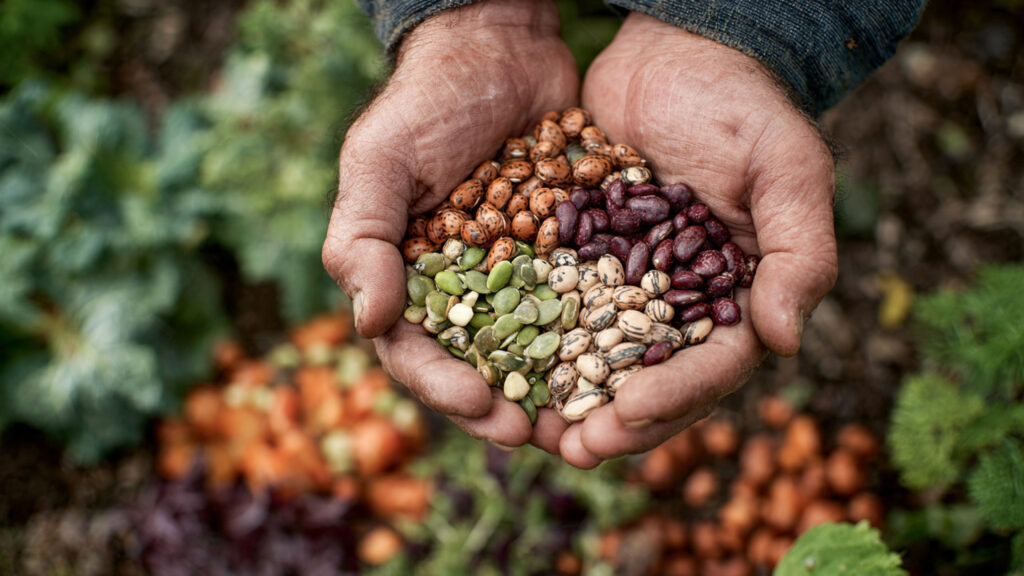
Harvesting seeds from your garden is a rewarding way to ensure a sustainable supply of plants year after year. Whether you grow vegetables, herbs, or flowers, saving seeds allows you to preserve the best traits of your plants while reducing gardening costs. However, seed harvesting requires careful planning and technique to avoid losing seeds or compromising their quality. Here’s a complete guide on how to effectively harvest seeds from your garden without losing them.
Why Harvesting Seeds Is Important
Seed harvesting goes beyond just saving money. It offers multiple benefits for gardeners:
- Preserving Plant Varieties – By harvesting seeds from your healthiest plants, you maintain the genetic traits you love. This is especially important for heirloom varieties, which may not be available in stores.
- Cost-Effective Gardening – Buying seeds every season can get expensive. Seed saving ensures you have a ready supply without recurring costs.
- Environmental Sustainability – Seed harvesting reduces reliance on commercial seed production, which often involves long transport and packaging processes.
- Enhanced Garden Diversity – When you save seeds from multiple varieties, you can experiment and cross-pollinate, creating unique strains.
Understanding the importance of harvesting seeds sets the foundation for effective techniques.
Understanding When to Harvest Seeds
Timing is crucial for seed harvesting. Collect seeds too early, and they may be immature and nonviable; too late, and they may disperse or rot. Here’s how to identify the right time:
- Vegetables: Most vegetables, like tomatoes, beans, and peppers, produce seeds after the fruit is fully ripe. For example, tomato seeds are ready when the fruit is completely colored and slightly soft.
- Flowers: Annual flowers, such as marigolds or zinnias, produce seeds in their dried flower heads. Wait until petals have faded and the seed pods turn brown.
- Herbs: Seeds from herbs like basil or parsley are usually ready when the flower spikes dry out and seeds begin to loosen.
A simple rule: seeds are ready when they are fully developed, firm, and dry. Keeping a garden journal can help track when each plant typically produces viable seeds.
Methods to Harvest Seeds Without Losing Them
Seed loss is one of the most common challenges for gardeners. Proper techniques and tools can help minimize this risk.
1. Collect Seeds in a Controlled Space
Use a tray, basket, or paper bag to collect seeds directly from plants. This prevents them from scattering on the ground or blowing away. For example:
- Shake small seeds gently into a tray.
- Use scissors or pruners to cut seed heads, then place them in a bag.
- For larger seeds like squash or beans, scoop them directly into a container.
This method is especially effective for lightweight seeds, which can easily be carried away by wind.
2. Use Paper Bags Instead of Plastic
Plastic bags can trap moisture, which may cause seeds to mold. Instead, use paper envelopes or bags. Paper allows air circulation and keeps seeds dry. Label each bag clearly with the plant name and harvest date for future reference.
3. Dry Seeds Thoroughly
Proper drying is essential to prevent rot or fungal growth. Spread seeds in a single layer on a dry plate, tray, or paper towel in a cool, shaded area. Avoid direct sunlight, which can damage seed viability. Seeds are ready for storage when they snap or crunch rather than bend.
4. Separate Seeds from Chaff
Many seeds are mixed with pods, husks, or flower debris. Cleaning seeds ensures they are ready for planting and reduces the risk of mold. Methods include:
- Hand Rubbing: Gently rub seeds between your fingers to remove husks.
- Sieving: Use a fine mesh sieve to separate smaller seeds from chaff.
- Blowing: Lightly blow away lightweight debris while keeping seeds in a tray.
This step is particularly important for tiny seeds like basil or lettuce, which can easily mix with debris.
5. Store Seeds Properly
Even perfectly harvested seeds can be lost if stored incorrectly. The key factors for storage are dryness, darkness, and cool temperature. Consider the following:
- Use airtight glass jars or metal containers with silica gel packets to absorb moisture.
- Keep seeds in a cool, dry, and dark place, like a pantry or refrigerator.
- Avoid frequent opening, which exposes seeds to humidity.
Proper storage can maintain seed viability for several years depending on the plant type. For instance, bean and pea seeds can last up to five years, while tomato seeds last around 4–6 years.
Tips to Avoid Losing Seeds in the Garden
Beyond techniques, a few practical tips can make seed harvesting more effective:
➡️ How to Grow Malabar Spinach from Cuttings for Fast, Easy Greens
➡️ How to Grow Super Delicious Cabbage at Home Without a Garden
➡️ How to Grow Bean Sprouts at Home in Plastic Bottles Easily (Step‑by‑Step Guide)
➡️ Why is Your Lemon Tree Blooming in the Heart of Winter?
➡️ Why Should Your Garden Have a Dedicated Pollinator Highway?
➡️ Why Do Your Fruit Trees Need a Winter Wash to Thrive in Spring?
➡️ How Can Rice Water Transform Your Fruits into Sweeter Delights?
➡️ Jumpstart Your Winter Garden: Seed Starting Under Lights
- Tag Plants Before Flowering – Mark plants you intend to harvest seeds from, so you don’t accidentally harvest from unwanted or cross-pollinated plants.
- Harvest on a Calm, Dry Day – Rain or wind can scatter seeds, reducing your yield.
- Use Hand Gloves or a Small Brush – For tiny seeds, gently brushing seed heads can help collect them without spillage.
- Work in Stages – Don’t try to harvest all seeds at once. Start with mature plants, and gradually collect seeds from others as they ripen.
Special Considerations for Cross-Pollinated Plants
Some plants, like squash, corn, and certain flowers, are cross-pollinated, meaning seeds may produce different traits from the parent. To maintain true-to-type seeds:
- Isolate plants using nets or grow them away from other varieties.
- Harvest seeds from a single plant to preserve its characteristics.
- Keep detailed records for future reference.
This ensures that your carefully harvested seeds will grow into the plants you expect.
Common Mistakes to Avoid
Even experienced gardeners can make mistakes that lead to seed loss. Avoid these pitfalls:
- Harvesting too early or too late – Immature seeds may not germinate, while overripe seeds may scatter.
- Ignoring drying requirements – Moist seeds can mold or sprout prematurely.
- Mixing seeds without labeling – Leads to confusion and wasted planting efforts.
- Using plastic for drying – Moisture trapped inside can ruin seeds.
By paying attention to these details, you can significantly improve seed survival rates.
Conclusion
Harvesting seeds from your garden is both an art and a science. By carefully timing your harvest, using proper collection and drying methods, and storing seeds correctly, you can ensure that your hard work in the garden pays off season after season. Not only does seed saving preserve plant diversity and reduce costs, but it also creates a personal connection to your garden, allowing you to nurture your plants from generation to generation.
By following the strategies outlined in this guide, you’ll master the skill of effectively harvesting seeds from your garden without losing them, keeping your garden vibrant and productive for years to come.