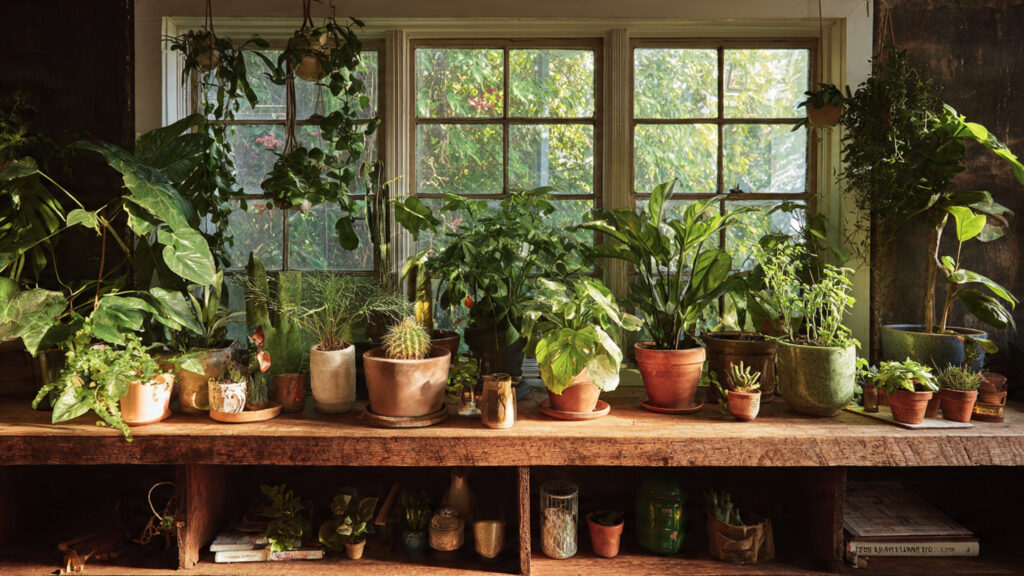
Gardening is often seen as a quiet, meditative activity—a chance to connect with nature, nurture life, and enjoy the calming effects of greenery. But what if your plants could talk back, in their own silent way? For centuries, gardeners have practiced speaking to their plants, whether through soft words, gentle encouragement, or even singing. While it may seem whimsical or even unnecessary, recent research and anecdotal evidence suggest that daily conversations with your plants can provide surprising benefits, not only for the plants themselves but also for your mental and emotional wellbeing.
Here’s a comprehensive exploration of the surprising benefits of talking to your plants daily and why it might be worth incorporating this practice into your gardening routine.
1. Improved Plant Growth
One of the most intriguing benefits of speaking to your plants is the potential for enhanced growth. Multiple studies have shown that plants respond positively to sound vibrations, particularly the frequencies associated with the human voice.
- Sound vibrations: When you speak or sing near your plants, the vibrations stimulate cellular activity, which can improve nutrient absorption and overall growth.
- Increased photosynthesis: Regular exposure to sound can enhance the plant’s ability to convert sunlight into energy, leading to healthier leaves, stronger stems, and more robust blooms.
- Encouraging resilience: Plants exposed to gentle speech may be better equipped to withstand environmental stressors like drought or pests.
Tip: Talk to your plants in a calm, positive tone for a few minutes each day—consistency matters more than volume.
2. Enhanced Flowering and Fruiting
Some gardeners report that flowering plants produce more blooms and fruit when engaged with daily conversation. This may be linked to the vibrations stimulating growth hormones within the plant, encouraging flower bud formation and fruit development.
- Blooming shrubs: Roses, hibiscus, and geraniums often respond positively to regular attention and care.
- Fruit plants: Tomatoes, peppers, and small fruit trees may produce larger or more numerous fruits when their caregiver interacts with them regularly.
Tip: Complimenting your plants or using encouraging words like “grow strong” or “beautiful bloom” may help reinforce positive vibrations and consistent growth.
3. Strengthening Root Systems
Roots are essential for a plant’s health, anchoring it in the soil while absorbing nutrients and water. Daily conversations can indirectly benefit root development.
- Energy distribution: Plants that are regularly exposed to sound and attention may distribute energy more effectively between roots and foliage.
- Stress reduction: Just as gentle care reduces environmental stress for plants, positive attention can improve root health and soil interactions.
Tip: Combine conversation with proper watering and soil care to maximize root growth benefits.
4. Boosts Your Mental Health
One of the most immediate and tangible benefits of talking to your plants is how it affects your own wellbeing. Gardening and plant care are already known to reduce stress and anxiety. Adding daily conversations amplifies these effects.
- Mindfulness: Speaking to plants encourages you to slow down, focus on the moment, and observe subtle changes in growth or foliage.
- Stress relief: Positive interactions with plants can release calming neurotransmitters in the brain, similar to meditation or mindfulness practices.
- Emotional connection: Nurturing plants fosters a sense of companionship, reducing feelings of loneliness and boosting mood.
Tip: Treat plant conversations as a daily ritual—morning or evening sessions work best for both you and your plants.
5. Encourages Consistent Plant Care
Talking to your plants daily naturally leads to more consistent care routines. When you spend time with your plants regularly, you’re more likely to notice watering needs, pest issues, or nutrient deficiencies early.
- Early problem detection: Daily observation helps spot yellowing leaves, wilting, or signs of disease before they become severe.
- Better pruning and fertilization: Regular interactions remind you to prune dead growth and fertilize plants appropriately.
- Improved plant health: Consistency in care ultimately results in stronger, more resilient plants that thrive in the long term.
Tip: Pair conversations with a brief inspection routine—check soil moisture, leaf health, and growth progress.
6. Enhances Emotional Intelligence and Patience
Gardening teaches patience, and daily plant conversations can enhance emotional intelligence. Nurturing a living being, even a plant, requires empathy, observation, and adaptability.
- Patience: Plants grow on their own timeline; learning to appreciate slow growth develops patience.
- Empathy: Talking to plants fosters a deeper understanding of living systems and how care affects outcomes.
- Reflection: These interactions offer moments of introspection, helping gardeners connect with nature and themselves.
Tip: Approach plant conversations as if speaking to a friend—this perspective encourages mindfulness and deeper engagement.
7. Encourages Creativity and Experimentation
Daily interactions with plants often inspire creativity. Gardeners who speak to their plants may experiment with placement, lighting, or companion planting.
➡️ How to Grow Malabar Spinach from Cuttings for Fast, Easy Greens
➡️ How to Grow Super Delicious Cabbage at Home Without a Garden
➡️ How to Grow Bean Sprouts at Home in Plastic Bottles Easily (Step‑by‑Step Guide)
➡️ Why is Your Lemon Tree Blooming in the Heart of Winter?
➡️ Why Should Your Garden Have a Dedicated Pollinator Highway?
➡️ Why Do Your Fruit Trees Need a Winter Wash to Thrive in Spring?
➡️ How Can Rice Water Transform Your Fruits into Sweeter Delights?
➡️ Jumpstart Your Winter Garden: Seed Starting Under Lights
- Design innovation: Conversations can prompt ideas for plant arrangements, indoor décor, or landscape improvements.
- Gardening experiments: You may notice patterns or responses to different tones, volumes, or music that encourage experimentation with growth-promoting practices.
- Artistic inspiration: Observing plants closely and interacting with them can inspire sketches, photography, or garden journaling.
Tip: Keep a notebook to record your observations and experiment with how different interactions influence plant growth.
8. Supports Learning About Plant Needs
Talking to your plants isn’t just about voice—it’s about engagement. By observing plants while interacting with them, you naturally learn more about their specific needs.
- Growth patterns: Regular attention helps you recognize when plants need more sunlight, water, or nutrients.
- Flowering cycles: Tracking plant responses to daily care can reveal optimal conditions for blooming.
- Environmental cues: Plants communicate stress subtly—yellow leaves, drooping stems, or slow growth signal specific problems you’ll notice with consistent observation.
Tip: Combine verbal interaction with touch and observation to form a holistic understanding of each plant’s needs.
9. Builds a Sense of Responsibility
Caring for living things, even plants, instills a sense of responsibility. Daily conversations create a personal connection, making you more invested in the plant’s wellbeing.
- Commitment: Speaking to your plants reinforces daily routines like watering, fertilizing, and pruning.
- Accountability: The act of nurturing encourages you to meet the plant’s needs consistently.
- Rewarding outcomes: Watching a plant respond positively to care reinforces responsible behavior and provides satisfaction.
Tip: Treat each plant as a long-term project, and observe how daily attention contributes to overall health and growth.
10. Strengthens the Human-Nature Connection
Finally, daily conversations with plants deepen your connection with nature. In a world increasingly dominated by screens and technology, these moments of connection are invaluable.
- Appreciation for life cycles: Talking to plants highlights the natural rhythms of growth, bloom, and dormancy.
- Environmental awareness: Spending time observing plant responses fosters a greater understanding of ecosystems and sustainability.
- Joy in small things: Engaging with living organisms cultivates gratitude for simple, everyday wonders in your garden or home.
Tip: Incorporate sensory experiences—notice leaf texture, scent of blooms, and sound of rustling leaves while interacting with plants.
How to Make Daily Plant Conversations a Habit
- Set a schedule: Morning or evening sessions are ideal for consistency.
- Create a routine: Pair conversations with watering, pruning, or fertilizing.
- Use positive language: Speak gently and encouragingly, reinforcing a nurturing attitude.
- Observe and document: Keep a garden journal to track plant responses and growth patterns.
- Combine with mindfulness: Focus on your breath, surroundings, and plant details to enhance relaxation and awareness.
Conclusion
Daily conversations with your plants offer more than whimsical enjoyment—they provide tangible benefits for both plants and gardeners. From stimulating growth, flowering, and root development to boosting mental health, mindfulness, and creativity, talking to your plants is a simple yet powerful practice.
By making plant interactions a part of your daily routine, you can create a thriving, vibrant garden while nurturing your own emotional wellbeing. Over time, these daily conversations foster patience, responsibility, and a deeper connection with the natural world, turning your gardening experience into a truly rewarding journey.
Whether you are a seasoned gardener or a beginner, embracing the practice of speaking to your plants can transform your relationship with nature, improve your garden’s health, and bring unexpected joy to your everyday life.