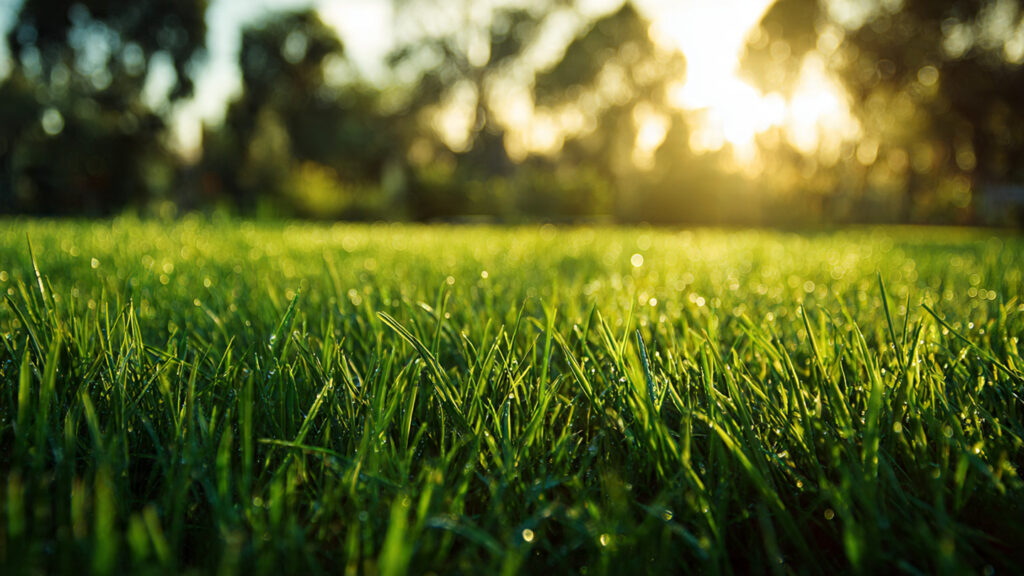
A lush, green lawn is often the hallmark of a well-kept home, but achieving that perfect yard doesn’t have to rely on chemical fertilizers, harsh pesticides, or excessive water use. More homeowners are turning to natural and sustainable methods to cultivate vibrant lawns that are environmentally friendly, cost-effective, and safe for children, pets, and wildlife.
In this article, we’ll explore the principles behind a healthy, green lawn, step-by-step strategies to achieve it naturally, and tips to maintain it sustainably year-round.
Understanding What Makes a Lawn Healthy
A vibrant lawn is more than just a uniform green surface. Its health is determined by several factors:
- Soil Quality: Rich, well-aerated soil provides nutrients and structure for strong root growth.
- Grass Species: Choosing the right grass for your climate, soil, and light conditions is essential.
- Watering Practices: Proper irrigation supports deep roots and drought resistance.
- Mowing Habits: Correct mowing promotes thicker grass and reduces disease.
- Pest and Weed Management: Sustainable lawns rely on balance rather than chemical control.
By addressing these elements, you can create a resilient lawn that thrives naturally.
Step 1: Soil Preparation and Health
The foundation of a healthy lawn is the soil. Many lawns fail because of poor soil structure or nutrient imbalance.
Soil Testing
- Conduct a soil test to determine pH and nutrient levels. Grass typically thrives in slightly acidic to neutral soil (pH 6.0–7.0).
- Based on results, amend soil naturally using lime (to raise pH) or sulfur (to lower pH).
Natural Amendments
- Compost: Adds organic matter, improves soil structure, and feeds beneficial microbes.
- Worm Castings: Enhance nutrient availability and soil aeration.
- Mulch or Grass Clippings: Returning clippings after mowing recycles nutrients back into the soil.
Healthy soil encourages deep root growth, which is essential for a thick, green lawn that resists drought and disease.
Step 2: Choosing the Right Grass
Selecting a grass species suited to your region, sunlight availability, and maintenance goals is crucial.
Cool-Season Grasses
- Ideal for temperate climates with distinct seasons.
- Examples: Kentucky bluegrass, fescue, ryegrass.
- Thrive in spring and fall, but may go dormant during hot summers.
Warm-Season Grasses
- Adapted to hot, sunny climates.
- Examples: Bermuda grass, zoysia, St. Augustine.
- Grow rapidly during summer and slow in cooler months.
Native Grasses
- Native species require less water and fertilizer.
- They naturally resist local pests and diseases.
Choosing the right grass reduces the need for chemical inputs and ensures a greener lawn with minimal effort.
Step 3: Proper Watering Techniques
Water is essential, but overwatering can weaken roots and encourage weeds. Sustainable watering practices improve lawn health and save resources.
Tips for Efficient Irrigation
- Deep and Infrequent: Water slowly and deeply 1–2 times per week to encourage deep root growth.
- Morning Watering: Reduces evaporation and minimizes fungal disease risk.
- Rainwater Harvesting: Use collected rainwater for irrigation to reduce dependence on municipal water.
- Mulching: Mulch helps retain soil moisture, reducing watering frequency.
A naturally green lawn thrives with the right balance of moisture, not constant saturation.
Step 4: Mowing for Sustainability
Mowing isn’t just about aesthetics—it affects root health, nutrient cycling, and disease prevention.
- Cut Height: Keep grass taller (around 3 inches) to shade roots, retain soil moisture, and suppress weeds.
- Frequency: Avoid removing more than one-third of the grass blade at a time.
- Mulching Mower: Use a mulching blade to return clippings to the lawn, adding natural nutrients and reducing waste.
Correct mowing practices encourage thicker, greener grass naturally and reduce the need for fertilizers.
Step 5: Natural Fertilization
Synthetic fertilizers may provide quick results but often harm the environment and soil life. Natural alternatives support sustainability while keeping your lawn green.
Organic Fertilizers
- Compost Tea: Liquid fertilizer rich in nutrients and beneficial microorganisms.
- Manure: Well-aged manure adds nitrogen, phosphorus, and potassium naturally.
- Seaweed Extract: Supplies trace minerals and improves soil structure.
Timing
- Fertilize during active growth periods—spring and early fall for cool-season grasses, late spring and summer for warm-season grasses.
Natural fertilization improves soil health, strengthens roots, and reduces chemical runoff into waterways.
Step 6: Weed and Pest Management Naturally
Weeds and pests are part of a balanced ecosystem. Instead of eradicating them chemically, sustainable practices promote natural control.
➡️ How to Grow Malabar Spinach from Cuttings for Fast, Easy Greens
➡️ How to Grow Super Delicious Cabbage at Home Without a Garden
➡️ How to Grow Bean Sprouts at Home in Plastic Bottles Easily (Step‑by‑Step Guide)
➡️ Why is Your Lemon Tree Blooming in the Heart of Winter?
➡️ Why Should Your Garden Have a Dedicated Pollinator Highway?
➡️ Why Do Your Fruit Trees Need a Winter Wash to Thrive in Spring?
➡️ How Can Rice Water Transform Your Fruits into Sweeter Delights?
➡️ Jumpstart Your Winter Garden: Seed Starting Under Lights
Weed Prevention
- Dense Growth: Thick, healthy grass crowds out weeds.
- Manual Removal: Hand-pull weeds before seeds mature.
- Corn Gluten Meal: Acts as a natural pre-emergent to inhibit weed seeds.
Pest Control
- Encourage Beneficial Insects: Ladybugs, ground beetles, and spiders help control pests naturally.
- Neem Oil or Insecticidal Soap: Eco-friendly options for localized infestations.
- Grass Diversity: Mixing grass species can reduce pest vulnerability.
Maintaining balance reduces reliance on chemicals while keeping your lawn healthy and green.
Step 7: Aeration and Overseeding
Aeration improves root oxygenation and water absorption, while overseeding fills bare spots.
- Aeration: Use a manual or mechanical aerator to relieve soil compaction once or twice a year.
- Overseeding: Introduce new grass seeds to improve density and color.
- Top Dressing: Apply a thin layer of compost after aeration for added nutrients.
These practices ensure deep roots, thick grass, and a lawn that naturally resists weeds and stress.
Step 8: Seasonal Care
Adjusting care according to the season ensures year-round lawn health:
Spring
- Rake leaves and debris.
- Apply compost or organic fertilizer.
- Overseed thin areas.
Summer
- Water deeply and less frequently.
- Maintain mowing height.
- Monitor for drought stress or pest activity.
Fall
- Aerate and overseed cool-season lawns.
- Apply natural fertilizers to strengthen roots for winter.
Winter
- Avoid heavy foot traffic on dormant grass.
- Remove debris to prevent disease.
Seasonal care aligns natural growth cycles with sustainable practices for a green lawn throughout the year.
Benefits of a Natural, Sustainable Lawn
- Environmental Protection: Reduces chemical runoff, saves water, and supports pollinators.
- Cost Savings: Less money spent on synthetic fertilizers, pesticides, and water bills.
- Health and Safety: Safe for pets, children, and wildlife.
- Soil Health: Promotes beneficial microorganisms and long-term fertility.
- Aesthetic Appeal: A naturally green, dense lawn is resilient and visually stunning.
A sustainable approach is not only eco-friendly but also provides long-term results, unlike chemical-dependent methods.
Common Mistakes to Avoid
- Overwatering: Leads to shallow roots and fungal disease.
- Mowing Too Short: Stresses grass, encourages weeds, and exposes soil.
- Neglecting Soil Health: Healthy soil is the foundation of a vibrant lawn.
- Over-Fertilizing: Excess nitrogen can burn grass and harm the environment.
- Ignoring Seasonal Changes: Adjusting care with the seasons is crucial for sustainability.
Avoiding these mistakes ensures your lawn thrives naturally year after year.
Conclusion
Achieving a perfectly green lawn naturally and sustainably is entirely possible with the right approach. By focusing on soil health, grass selection, proper watering, mowing, natural fertilization, pest management, and seasonal care, you can cultivate a lawn that is both beautiful and environmentally friendly.
Natural and sustainable lawn care reduces dependence on chemicals, conserves resources, and creates a resilient, long-lasting green space for your home. With patience, consistency, and attention to detail, your lawn can flourish as a vibrant, sustainable centerpiece—proof that going green can mean more than just color; it can also mean ecological responsibility and long-term success.
By embracing these strategies, you’ll enjoy the luxury of a perfectly green lawn that’s safe, sustainable, and a joy to walk on, season after season.