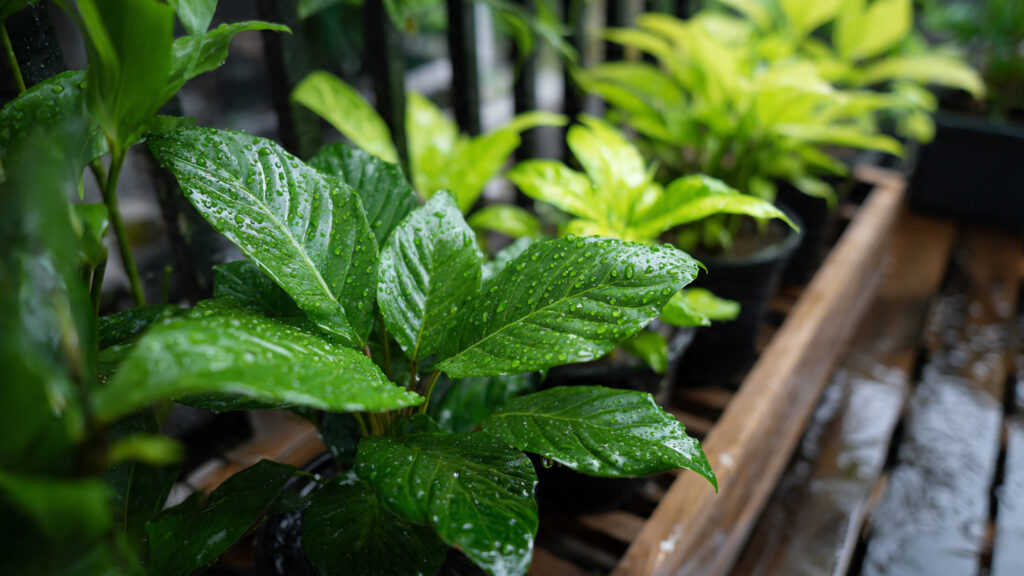
Balcony gardening has become increasingly popular, offering city dwellers a green oasis even in the smallest spaces. Whether you have vibrant flower pots, fresh herbs, or small vegetable plants, the quality of water you use can significantly influence plant growth, health, and productivity. While tap water is commonly used, there is a growing awareness of the benefits of using rainwater for your balcony plants. Rainwater is a natural, nutrient-rich resource that can transform the health of your plants, promote stronger growth, and even reduce your environmental footprint. In this article, we explore the advantages of rainwater, the science behind its benefits, and practical tips for collecting and using it effectively.
Understanding the Composition of Rainwater
Unlike tap water, which is often treated with chlorine, fluoride, or other chemicals, rainwater is naturally soft and free of salts, minerals, and heavy metals that can accumulate in the soil. Its composition offers several advantages:
- pH balance: Rainwater is slightly acidic, typically around 5.5 to 6.5, which helps certain plants absorb nutrients more efficiently.
- Nutrient content: Rainwater contains small amounts of nitrogen, potassium, and other essential elements that encourage healthy foliage and flowering.
- Purity: Free from hard water minerals like calcium and magnesium, which can build up in containers and hinder nutrient absorption.
Because of these properties, rainwater is often referred to as “liquid gold” for plants, especially for sensitive species like ferns, orchids, tomatoes, and herbs.
Benefits of Rainwater for Balcony Plants
Using rainwater can provide a variety of health benefits for your balcony plants:
1. Improved Nutrient Uptake
- Tap water often contains high levels of chlorine or chloramine, which can damage beneficial soil microorganisms.
- Rainwater supports microbial activity in the soil, helping plants absorb nutrients more efficiently.
- Enhanced nutrient uptake leads to stronger roots, healthier leaves, and more vibrant flowers or fruits.
2. Preventing Soil and Salt Buildup
- Frequent use of tap water, especially hard water, can lead to the accumulation of salts in pots.
- Excess salts can stunt plant growth, scorch roots, or cause yellowing leaf tips.
- Rainwater, being soft, reduces the risk of salt buildup, keeping the soil healthier for longer.
3. Promoting Natural Plant Growth
- Rainwater often contains naturally occurring nitrogen, a key nutrient for foliage growth.
- The slightly acidic nature of rainwater helps certain plants, like tomatoes and blueberries, absorb nutrients like iron and phosphorus more effectively.
- This leads to more vigorous growth, greener leaves, and increased flowering or fruiting potential.
4. Supporting Beneficial Soil Microbes
- Healthy soil is home to beneficial bacteria and fungi that help break down organic matter and support plant growth.
- Chlorine in tap water can reduce microbial populations, whereas rainwater nurtures these communities, leading to a more resilient and fertile soil ecosystem.
5. Environmental Sustainability
- Collecting rainwater reduces your reliance on municipal water, conserving a valuable resource.
- Using rainwater decreases your water bill and promotes eco-friendly gardening practices.
- It also reduces runoff, helping manage stormwater in urban areas and contributing to a more sustainable city environment.
How to Collect Rainwater on Your Balcony
Even in a small balcony garden, collecting rainwater is simple and practical. Here are some effective methods:
1. Using Containers
- Place clean buckets, tubs, or basins in open areas to catch rainwater.
- Ensure containers are free of contaminants and debris.
- Cover the water lightly with a mesh or cloth to prevent mosquitoes from breeding.
2. Rain Barrels and Funnels
- If your balcony has a drainage pipe, attach a small rain barrel or collection container to capture runoff.
- Use a funnel to direct water into containers efficiently.
- Rain barrels can hold larger quantities, providing a ready supply of water during dry periods.
3. Portable Rainwater Collectors
- Small, lightweight rainwater collection kits are available for urban balconies.
- These are ideal for limited spaces and can be stored easily when not in use.
4. Storage and Use
- Store collected rainwater in clean, covered containers to maintain freshness.
- Use water within a week or two to prevent stagnation.
- If necessary, gently aerate the water before use to refresh oxygen content.
Best Practices for Watering Balcony Plants with Rainwater
Using rainwater effectively involves more than just pouring it into pots. Consider these tips:
1. Water at the Right Time
- Early morning or late evening is ideal to minimize evaporation and ensure plants absorb moisture effectively.
2. Avoid Overwatering
- Even rainwater can harm plants if applied excessively.
- Check soil moisture by inserting a finger about an inch into the soil. Only water when it feels dry.
3. Combine with Fertilization
- While rainwater provides natural nutrients, supplementing with organic fertilizers or compost tea ensures balanced nutrition.
- Avoid chemical fertilizers during the rainy season to prevent nutrient runoff.
4. Focus on Root Zone
- Water at the base of plants rather than on leaves to reduce the risk of fungal infections.
- Container plants are particularly susceptible to leaf rot, so targeted watering is essential.
Rainwater and Specific Plants
Certain balcony plants benefit particularly from rainwater:
Tomatoes and Peppers
- Rainwater’s natural nitrogen content supports lush, leafy growth.
- Reduced salt accumulation prevents blossom-end rot, a common problem in container-grown vegetables.
Herbs
- Basil, mint, rosemary, and parsley thrive in slightly acidic, nutrient-rich rainwater.
- Flavor and aroma are often more intense when herbs are watered with rainwater.
Ornamental Flowers
- Bougainvillea, geraniums, and petunias show more vibrant colors and robust growth.
- Rainwater reduces leaf scorching and soil buildup, which can dull blooms over time.
Ferns and Sensitive Foliage Plants
- Ferns, calatheas, and peace lilies respond exceptionally well to rainwater.
- Soft water prevents leaf tip browning and keeps fronds lush and healthy.
Common Challenges and Solutions
While rainwater is highly beneficial, gardeners should be aware of potential issues:
1. Stagnant Water
- Solution: Cover containers with mesh, change water regularly, or use small aeration techniques.
2. Limited Supply During Dry Spells
- Solution: Combine rainwater with minimal tap water when necessary. Store water in larger containers during rainy periods to create a reserve.
3. Contamination Risks
- Solution: Use clean, food-grade containers and avoid collecting water from roofs with harmful debris or chemicals.
By addressing these challenges, rainwater can remain a reliable and safe resource for balcony gardening.
Additional Tips for Maximizing Benefits
- Regular Soil Flushing: Occasionally flush soil with rainwater to prevent salt buildup from previous tap watering.
- Mulching: Use organic mulch in containers to retain moisture and enhance nutrient absorption.
- Rainwater + Compost Tea: Mix rainwater with a mild compost tea to boost microbial activity and overall plant health.
- Monitor Plant Response: Observe changes in leaf color, growth rate, and flowering patterns to gauge the effectiveness of rainwater use.
These strategies ensure your balcony plants thrive consistently, leveraging the natural advantages of rainwater.
Conclusion
Rainwater is more than just water—it is a natural elixir that can transform the health of your balcony plants. From improved nutrient uptake and enhanced microbial activity to preventing soil salinity and promoting lush growth, rainwater offers numerous advantages over tap water. By collecting and using rainwater thoughtfully, balcony gardeners can enjoy stronger, healthier, and more vibrant plants while reducing environmental impact and water costs.
Whether you are growing herbs, vegetables, or ornamental flowers, rainwater can unlock the full potential of your balcony garden, turning a small outdoor space into a thriving, sustainable green oasis. The key is preparation, proper collection, and mindful watering practices—then you can watch your plants flourish like never before.
Using rainwater is a simple yet powerful strategy to elevate your balcony gardening game. With a little planning and care, this natural resource can provide your plants with the nourishment they need, resulting in healthier roots, greener foliage, and more abundant blooms throughout the year.