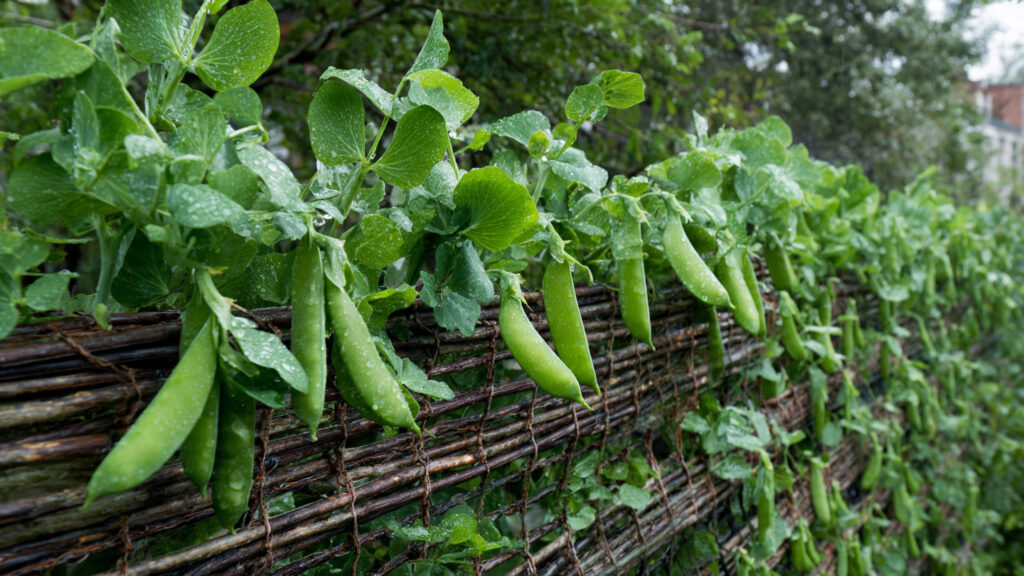
Recycling and upcycling have become essential practices for sustainable gardening, and innovative gardeners are finding creative ways to repurpose materials that would otherwise go to waste. One such idea is transforming old fishing nets into vertical walls for growing sugar snap peas. Not only does this approach reduce waste, but it also maximizes growing space, encourages healthy plant growth, and creates a visually striking garden feature.
Here’s an in-depth guide on how to turn old fishing nets into a functional vertical trellis for sugar snap peas and why this method can revolutionize small-space gardening.
1. Why Vertical Gardening Works for Sugar Snap Peas
Sugar snap peas are climbing plants that naturally grow upward, producing tendrils that wrap around supports. Vertical gardening leverages this natural growth habit, offering several advantages:
- Space efficiency: Growing peas vertically saves ground space, allowing you to cultivate more plants in a smaller area.
- Improved airflow: Elevating plants reduces the risk of fungal infections and encourages healthier foliage.
- Ease of harvesting: Peas grown on vertical structures are easier to access and pick, reducing the risk of damage to pods.
- Aesthetic appeal: A green, flowering wall of sugar snap peas adds beauty and structure to gardens, patios, or balconies.
Tip: Choose a sunny location for your vertical wall, as sugar snap peas thrive in full sun and require at least six hours of sunlight daily.
2. Why Old Fishing Nets Are Ideal for Trellises
Repurposing old fishing nets has several practical and environmental benefits:
- Durable and flexible: Fishing nets are designed to withstand harsh conditions, making them sturdy for climbing plants.
- Large mesh size: The net’s openings allow pea tendrils to easily grasp and climb.
- Lightweight and versatile: Nets are easy to hang, move, or adjust, making them ideal for vertical structures.
- Eco-friendly: Using discarded nets reduces plastic waste and supports sustainable gardening practices.
Tip: Inspect the net for holes, frays, or sharp edges before use to prevent damage to plants or gardeners.
3. Materials Needed
To transform an old fishing net into a vertical pea wall, you’ll need a few basic materials:
- Old fishing net (preferably nylon or synthetic for durability)
- Wooden stakes, bamboo poles, or metal posts
- Zip ties, twine, or garden clips
- Sugar snap pea seeds or seedlings
- Fertile, well-draining soil and compost
- Optional: trellis frame for extra support
Tip: If the net is small, combine multiple pieces to cover the desired height and width.
4. Constructing Your Vertical Wall
Creating a vertical wall with a fishing net is straightforward, but careful planning ensures stability and long-term success.
Step 1: Set Up Support Posts
- Drive wooden stakes, bamboo poles, or metal posts into the ground, spacing them according to the width of your net.
- Ensure posts are sturdy and deep enough to support the weight of growing pea plants and any future pods.
Step 2: Attach the Net
- Stretch the net vertically between the posts.
- Secure with zip ties, twine, or clips at regular intervals to prevent sagging.
- Check that the net is taut enough to support pea tendrils but not so tight that it tears easily.
Step 3: Plant Sugar Snap Peas
- Plant seeds or seedlings at the base of the net, spacing them 2–3 inches apart.
- Ensure soil is fertile, enriched with compost, and consistently moist but well-draining.
- Mulch around the base to retain moisture and suppress weeds.
Tip: Train young pea shoots to the net manually during the first few weeks to encourage climbing in the right direction.
5. Training Peas for Optimal Growth
Sugar snap peas rely on tendrils to cling to supports, but gentle guidance can enhance vertical growth:
- Early training: Wrap young tendrils around the net to help them grasp.
- Regular monitoring: Check daily and adjust any wandering stems to maximize coverage.
- Pruning unnecessary growth: Remove weak or damaged shoots to focus energy on producing pods.
Tip: Avoid tying plants too tightly to the net, as this can damage stems and restrict growth.
6. Watering and Fertilization
Proper watering and nutrient management are essential for vigorous vertical growth:
- Watering: Sugar snap peas need consistent moisture, especially during flowering and pod development. Water at the base to keep leaves dry and prevent fungal issues.
- Fertilization: Incorporate compost or a balanced fertilizer at planting. Avoid excessive nitrogen, which promotes leaf growth at the expense of flowers and pods.
Tip: Use a drip irrigation system or soaker hoses to provide even moisture without overwatering foliage.
7. Pest and Disease Management
Vertical nets improve airflow, but sugar snap peas are still susceptible to pests and diseases.
➡️ How to Grow Malabar Spinach from Cuttings for Fast, Easy Greens
➡️ How to Grow Super Delicious Cabbage at Home Without a Garden
➡️ How to Grow Bean Sprouts at Home in Plastic Bottles Easily (Step‑by‑Step Guide)
➡️ Why is Your Lemon Tree Blooming in the Heart of Winter?
➡️ Why Should Your Garden Have a Dedicated Pollinator Highway?
➡️ Why Do Your Fruit Trees Need a Winter Wash to Thrive in Spring?
➡️ How Can Rice Water Transform Your Fruits into Sweeter Delights?
➡️ Jumpstart Your Winter Garden: Seed Starting Under Lights
- Common pests: Aphids, pea weevils, and slugs can damage leaves and pods.
- Preventive measures: Inspect plants regularly, remove affected leaves, and encourage beneficial insects like ladybugs.
- Fungal issues: Powdery mildew and root rot can occur in poorly drained or overcrowded areas. Ensure adequate spacing and prune lower leaves for better air circulation.
Tip: Companion planting with herbs like mint or cilantro can naturally repel pests.
8. Harvesting Tips
Harvesting sugar snap peas from a vertical net is easy and enjoyable:
- Timing: Pick pods when they are plump and firm but before seeds harden.
- Technique: Use gentle twisting or cutting to avoid damaging the plant.
- Continuous harvest: Frequent picking encourages the plant to produce more pods throughout the season.
Tip: Harvest in the morning for the freshest, crispiest pods.
9. Aesthetic and Functional Benefits
Beyond practicality, a fishing net vertical wall offers unique aesthetic and functional benefits:
- Decorative green wall: The lush pea foliage and delicate flowers create a natural, living screen or garden focal point.
- Privacy and windbreak: Dense vertical coverage can act as a natural partition or protection from wind.
- Pollinator-friendly: Flowers attract bees and other pollinators, improving overall garden health.
- Educational opportunity: This setup demonstrates sustainability and creative gardening techniques for children or community gardens.
Tip: Pair the vertical pea wall with climbing flowers like morning glories or nasturtiums for added color and pollinator attraction.
10. Sustainability and Environmental Impact
Repurposing old fishing nets has environmental benefits beyond gardening:
- Plastic waste reduction: Nets that would otherwise end up in oceans or landfills are given a new life in your garden.
- Promotes eco-conscious gardening: Encourages creative reuse of materials, inspiring others to adopt sustainable practices.
- Biodiversity support: Vertical pea walls provide habitat and food for beneficial insects, contributing to a healthy ecosystem.
Tip: Encourage community initiatives to collect and repurpose discarded nets, combining sustainability with urban gardening projects.
Conclusion
Transforming old fishing nets into vertical walls for sugar snap peas is a practical, sustainable, and visually appealing gardening solution. This method maximizes space, improves plant health, and supports sustainable practices by repurposing materials that would otherwise go to waste. By carefully constructing a sturdy net support, planting healthy sugar snap peas, and providing consistent care, gardeners can enjoy bountiful harvests, a thriving vertical garden, and the satisfaction of turning discarded materials into a functional and beautiful growing space.
From enhancing airflow and pest control to creating a stunning living wall, this approach combines ingenuity, sustainability, and productivity in a single garden project. With patience, proper training, and ongoing care, your vertical sugar snap pea wall can transform both your garden and your gardening experience, demonstrating the incredible potential of upcycled materials in creative horticulture.