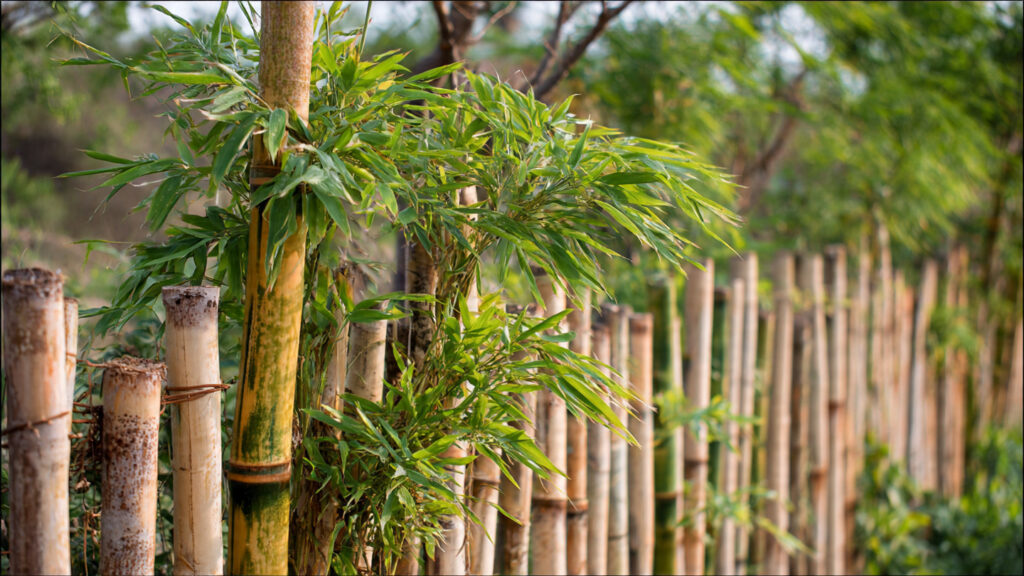
Vining plants—whether flowering climbers like morning glories, fragrant honeysuckle, or productive vegetables like cucumbers, tomatoes, and beans—thrive when given proper support. Without it, vines sprawl across the ground, making harvesting, pruning, and general maintenance difficult. Enter bamboo poles, an age-old gardening solution that provides natural, durable, and versatile support. Not only do bamboo poles help your vines grow vertically, but they also elevate the aesthetic appeal, health, and productivity of your garden.
This guide explores the many ways bamboo poles can transform your vine cultivation, from maximizing growth potential and supporting plant health to creating stunning garden designs and sustainable structures.
Understanding the Benefits of Vertical Growth
Growing vines vertically offers multiple advantages, and bamboo poles make it achievable:
- Maximizes space: Vertical growth allows gardeners to cultivate more plants in limited areas, making bamboo poles ideal for small gardens, patios, or urban spaces.
- Improved airflow: Elevating vines reduces leaf crowding, which minimizes the risk of fungal diseases and pest infestations.
- Ease of harvesting: Fruits and flowers are easier to access when grown upright.
- Enhanced sun exposure: Leaves positioned vertically capture more sunlight, improving photosynthesis and overall growth.
- Aesthetic appeal: Vertical vines supported by bamboo create a natural, organic look that enhances garden beauty.
By guiding your vines upward, bamboo poles unlock growth potential that ground-level cultivation cannot achieve.
Why Choose Bamboo Poles?
Bamboo is uniquely suited to vine support for several reasons:
- Strength and durability: Mature bamboo is lightweight yet strong, capable of supporting heavy, fruit-laden vines without bending.
- Natural flexibility: Bamboo bends slightly under weight, accommodating plant movement caused by wind without breaking.
- Eco-friendly: Bamboo is a sustainable material that grows rapidly and is biodegradable.
- Aesthetic versatility: Its natural appearance blends seamlessly with garden settings, from rustic to modern designs.
- Cost-effective: Compared to metal trellises or wooden stakes, bamboo is affordable and widely available.
These qualities make bamboo poles a practical, eco-conscious choice for elevating your vines.
Step 1: Selecting the Right Bamboo Poles
Not all bamboo poles are created equal. Choosing the right type and size ensures longevity and support:
- Diameter: For most climbing vegetables and flowers, ½ to 1-inch diameter poles are sufficient. Heavier vines like cucumbers or squash may require 1½-inch poles.
- Length: Poles should be taller than the anticipated vine height—typically 6–8 feet for many garden varieties.
- Maturity: Use mature, dried bamboo for strength and resistance to rotting. Fresh, green bamboo may crack or decay quickly.
- Treatment (optional): Soak poles in water for 48 hours or apply a natural sealant to increase lifespan.
Selecting sturdy, appropriately sized poles prevents breakage and provides reliable support throughout the growing season.
Step 2: Planning Your Vertical Layout
Before placing bamboo poles, plan the arrangement to maximize growth and accessibility:
- Single stakes: Ideal for individual plants such as tomato, cucumber, or passionflower. Insert poles near the plant base and tie vines loosely as they grow.
- Teepee structure: Arrange multiple poles in a conical shape, tying them together at the top. This is perfect for pole beans, sweet peas, or morning glories.
- Horizontal trellis: Bamboo poles can be tied horizontally between vertical stakes to create a support grid for sprawling climbers.
- Lattice walls: Connect bamboo poles in a crisscross pattern along fences or walls to guide vines upward and create living privacy screens.
Proper planning ensures that each vine has sufficient space, support, and sunlight exposure.
Step 3: Planting and Attaching Vines
Vines need guidance in their early stages to climb bamboo poles effectively:
- Planting position: Place seedlings or seeds close to the bamboo pole base, within a few inches.
- Tying vines: Use soft plant ties, garden twine, or biodegradable string to loosely secure young shoots. Avoid tight knots that can damage stems.
- Training direction: Gently wrap or weave vines around the pole as they grow to establish upward momentum.
- Regular adjustment: Check ties weekly, adjusting as the plant grows to prevent constriction or breakage.
Training vines early promotes healthy vertical growth and prevents sprawling.
Step 4: Optimizing Growth and Yield
Bamboo poles can improve vine growth in several ways:
- Enhanced sunlight exposure: Vertical orientation exposes more leaves to direct sunlight, boosting photosynthesis and nutrient absorption.
- Reduced disease risk: Keeping leaves and fruit off the ground reduces fungal infections, rot, and pest attacks.
- Better air circulation: Improved airflow between leaves reduces humidity around foliage, discouraging mildew and bacterial diseases.
- Ease of fertilization: Fertilizer and water reach the root zone without interference from sprawling stems.
By supporting plants efficiently, bamboo poles contribute to higher yields and healthier vines.
Step 5: Maintenance of Bamboo Supports
Proper care ensures bamboo poles last for multiple seasons:
➡️ How to Grow Malabar Spinach from Cuttings for Fast, Easy Greens
➡️ How to Grow Super Delicious Cabbage at Home Without a Garden
➡️ How to Grow Bean Sprouts at Home in Plastic Bottles Easily (Step‑by‑Step Guide)
➡️ Why is Your Lemon Tree Blooming in the Heart of Winter?
➡️ Why Should Your Garden Have a Dedicated Pollinator Highway?
➡️ Why Do Your Fruit Trees Need a Winter Wash to Thrive in Spring?
➡️ How Can Rice Water Transform Your Fruits into Sweeter Delights?
➡️ Jumpstart Your Winter Garden: Seed Starting Under Lights
- Inspect regularly: Check for cracks, splits, or signs of decay. Replace damaged poles promptly.
- Tighten ties: Adjust plant ties as vines grow to prevent slippage or damage.
- Stabilize poles: Ensure vertical poles are firmly inserted into the soil (at least 12–18 inches deep) to withstand wind and vine weight.
- Winter care: In cold climates, bamboo poles can be removed or protected with a sealant to extend longevity.
Regular maintenance preserves structural integrity and supports long-term garden success.
Step 6: Creative Uses of Bamboo Poles in Gardens
Bamboo poles are versatile and can elevate your garden design in unique ways:
- Edible towers: Use poles to grow cucumbers, beans, and gourds vertically, saving space and simplifying harvest.
- Flowering displays: Morning glories, clematis, and sweet peas create stunning vertical floral arrangements on bamboo structures.
- Living privacy screens: Taller vines like honeysuckle or ivy trained on bamboo can form green walls, blocking unsightly views.
- Garden art: Bamboo poles can be arranged in teepees, spirals, or abstract shapes, adding visual interest while serving a functional purpose.
Incorporating bamboo creatively transforms your garden into both a productive and visually appealing space.
Step 7: Companion Planting and Spacing
When growing multiple vines with bamboo poles:
- Spacing: Leave 12–18 inches between individual poles to prevent overcrowding.
- Companion planting: Place plants with similar sunlight and water requirements together to streamline care.
- Avoid shading: Taller vines can overshadow shorter companions; stagger pole heights if necessary.
Thoughtful spacing promotes optimal growth and prevents competition for resources.
Step 8: Sustainability and Eco-Friendly Practices
Bamboo poles align with sustainable gardening principles:
- Rapidly renewable: Bamboo grows quickly, making it an environmentally responsible choice.
- Biodegradable: Old or damaged poles can be composted or reused in other projects.
- Chemical-free: Avoid synthetic treatments when possible; untreated bamboo is safe for edible crops.
- Reusable structures: Bamboo poles can be repurposed season after season, reducing garden waste.
Using bamboo supports is an eco-conscious way to elevate vines while reducing reliance on synthetic materials.
Step 9: Troubleshooting Common Challenges
Even with bamboo poles, gardeners may face challenges:
- Weak attachment: Young vines may slip if ties are too loose; adjust ties as needed.
- Overcrowding: Multiple vines on a single pole can restrict airflow; consider multiple poles for heavy plantings.
- Pole instability: Ensure deep anchoring and check for tilting.
- Weather stress: Strong winds may topple poles; reinforce with additional support or anchor cords.
Addressing these challenges early ensures healthy, vigorous vine growth.
Step 10: Harvesting and Enjoying Vertical Vines
Bamboo poles simplify harvesting by keeping fruits and flowers accessible:
- Easy access: Fruits are at eye level, reducing bending or reaching.
- Better quality: Fruits stay clean, undamaged, and disease-free when elevated.
- Continuous production: Regular harvesting encourages new growth and prolonged flowering or fruiting.
Vertical cultivation increases productivity while reducing labor, making gardening more enjoyable.
Final Thoughts
Bamboo poles are more than simple stakes—they are transformative tools that elevate your vine cultivation, optimize space, enhance plant health, and contribute to sustainable gardening practices. From supporting flowering climbers to maximizing vegetable yields, bamboo poles allow vines to reach their full potential, producing healthier, more abundant crops while adding vertical interest and beauty to your garden.
By selecting strong bamboo, planning thoughtful layouts, training vines early, and maintaining supports, you can harness the full advantages of vertical gardening. Bamboo poles turn ordinary vines into dynamic, productive, and visually striking features, proving that sometimes the simplest solutions—rooted in nature—yield the greatest results.
With this knowledge, you can elevate your garden literally and figuratively, transforming sprawling vines into organized, thriving vertical displays that impress both the eyes and the taste buds.