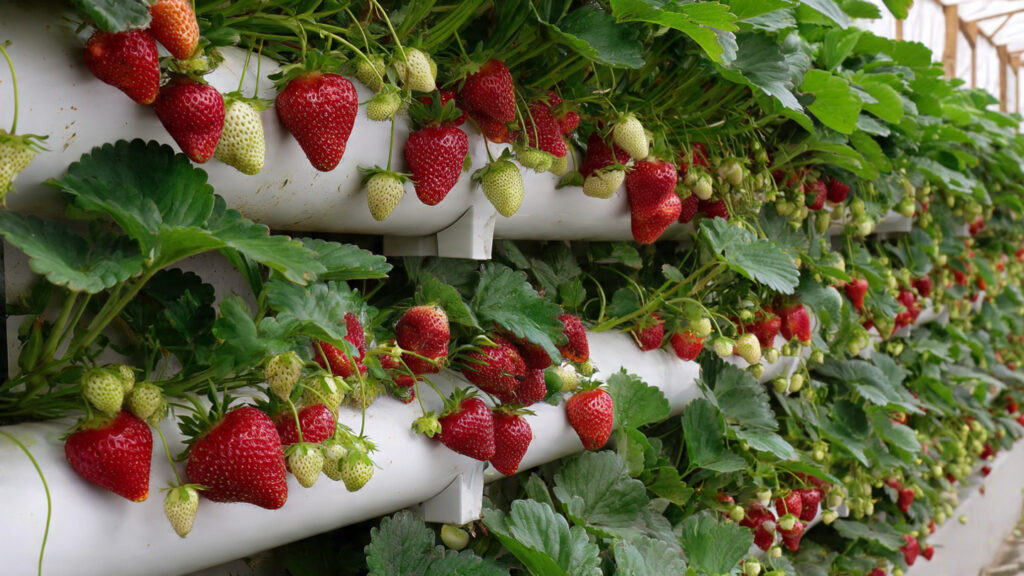
Growing strawberries (Fragaria × ananassa) is a delight for gardeners, but traditional planting can be space-intensive. For urban gardeners, apartment dwellers, or anyone with limited outdoor space, a vertical strawberry wall offers a practical and visually appealing solution. Using simple materials like PVC pipes, you can transform a small balcony, patio, or garden wall into a productive strawberry-growing system. Beyond saving space, vertical strawberry walls improve drainage, sunlight exposure, and accessibility, while creating a striking living feature.
This guide explores how to design, construct, and maintain a vertical strawberry wall using PVC pipes, step by step, so you can enjoy a bountiful harvest and a stunning display of greenery and fruit.
Why a Vertical Strawberry Wall Works
A vertical wall for strawberries is effective for several reasons:
- Space Efficiency: Vertical walls allow you to grow dozens of plants in the footprint of a few square feet.
- Better Drainage: Elevated growth prevents waterlogging and root rot.
- Improved Sunlight Exposure: Plants on a wall receive more uniform sunlight, resulting in stronger growth and higher yields.
- Accessibility: Harvesting is easier because plants are at eye level or chest height.
- Visual Appeal: A vertical wall doubles as a decorative green feature in small spaces.
With these advantages, vertical strawberry walls are ideal for small-space gardening and aesthetic enhancement.
Materials Needed
Creating a vertical strawberry wall with PVC pipes is affordable and straightforward. You’ll need:
- PVC Pipes: 4–6 inch diameter, long enough to span your wall or space.
- End Caps: To close the ends of each pipe.
- Drill: For cutting planting holes.
- Hacksaw or PVC Cutter: To cut pipes to the desired length.
- Mounting Hardware: Brackets, screws, or wall hooks for support.
- Potting Soil: Well-draining soil enriched with compost.
- Strawberry Plants: Preferably young, healthy runners or bare-root plants.
- Mulch (Optional): For water retention and neat appearance.
These materials are easy to source from any hardware or garden supply store, keeping costs low while allowing for a DIY project that is both practical and attractive.
Step 1: Designing Your Vertical Wall
Before construction, decide on the layout:
- Number of Pipes: Determine how many vertical layers you want. Three to five layers provide ample planting space while remaining manageable.
- Spacing Between Pipes: Leave at least 6–8 inches between each pipe to allow sunlight and airflow.
- Height Considerations: Keep the bottom layer accessible for watering and harvesting; the top layer should be reachable without a ladder.
- Orientation: South-facing walls receive the most sun in the northern hemisphere. In tropical regions, east-facing walls prevent leaf scorch from intense afternoon sun.
Planning ensures a functional and aesthetically pleasing wall that maximizes strawberry growth.
Step 2: Preparing the PVC Pipes
Proper preparation of the PVC pipes is essential for plant health and water management:
- Cutting to Size: Use a hacksaw or PVC cutter to cut the pipes to your desired length. Standard lengths of 4–6 feet work well for most balconies or garden walls.
- Drilling Planting Holes:
- Space holes 6–8 inches apart along the pipe’s length.
- Drill holes about 2–3 inches in diameter to accommodate the root ball of strawberry plants.
- Angle holes slightly downward to aid water drainage.
- End Caps: Attach end caps to the bottom of each pipe to prevent soil from escaping.
Prepared PVC pipes serve as secure, well-draining planters for strawberries.
Step 3: Mounting the Pipes
A sturdy vertical structure ensures that the strawberry wall remains safe and durable:
- Brackets and Screws: Securely attach brackets to the wall, ensuring they can hold the weight of soil and plants.
- Pipe Placement: Slide the pipes onto the brackets, leaving space between each layer for sunlight and airflow.
- Support Tips: Consider additional horizontal supports for longer pipes to prevent sagging.
Correct mounting guarantees stability, preventing accidents and ensuring even growth.
Step 4: Adding Soil and Planting Strawberries
Once the pipes are mounted, it’s time to plant:
- Soil Mix: Use a well-draining mix of potting soil and compost. Adding perlite or vermiculite improves aeration and moisture retention.
- Filling Pipes: Carefully fill each pipe with soil, gently tamping to remove air pockets. Leave a 1–2 inch gap at the top for watering.
- Planting:
- Insert strawberry plants into the holes, ensuring the crown is level with the soil surface.
- Space plants evenly to prevent overcrowding, which can lead to disease and poor fruiting.
- Mulching: Optional mulch around each crown helps retain moisture and reduce soil splash onto the leaves.
Proper planting ensures healthy root development and vigorous growth.
Step 5: Watering and Irrigation
Watering is crucial in a vertical system because elevated pipes dry out faster:
➡️ How to Grow Malabar Spinach from Cuttings for Fast, Easy Greens
➡️ How to Grow Super Delicious Cabbage at Home Without a Garden
➡️ How to Grow Bean Sprouts at Home in Plastic Bottles Easily (Step‑by‑Step Guide)
➡️ Why is Your Lemon Tree Blooming in the Heart of Winter?
➡️ Why Should Your Garden Have a Dedicated Pollinator Highway?
➡️ Why Do Your Fruit Trees Need a Winter Wash to Thrive in Spring?
➡️ How Can Rice Water Transform Your Fruits into Sweeter Delights?
➡️ Jumpstart Your Winter Garden: Seed Starting Under Lights
- Regular Watering: Keep the soil consistently moist, especially during flowering and fruiting.
- Drip Irrigation: Installing a drip line along the top of the pipes ensures even water distribution.
- Avoid Overwatering: Excess water can drip to lower layers and cause root rot; ensure end caps drain excess water efficiently.
- Humidity Consideration: In hot climates, consider misting leaves occasionally to reduce heat stress.
Consistent moisture ensures strong growth, early flowering, and juicy fruits.
Step 6: Fertilization
Strawberries in a vertical wall require regular nutrients to support rapid growth:
- Balanced Fertilizer: Apply a water-soluble fertilizer every 2–3 weeks.
- Organic Options: Compost tea or fish emulsion can provide gentle nutrients without chemical buildup.
- Bloom and Fruit Stage: Increase potassium and phosphorus to promote flowering and fruit development.
Timely fertilization ensures lush foliage and bountiful harvests.
Step 7: Maintenance and Pruning
Maintaining the wall keeps strawberries healthy and productive:
- Remove Dead Leaves: Prevents disease and improves airflow.
- Trim Runners: Focus the plant’s energy on fruiting rather than excessive runner growth.
- Pest Monitoring: Watch for aphids, spider mites, and slugs; treat with organic insecticidal soap or manual removal.
- Disease Control: Ensure proper spacing and avoid wetting leaves to reduce fungal infections.
Regular maintenance maximizes both yield and visual appeal.
Step 8: Harvesting Strawberries
A vertical strawberry wall makes harvesting simple and efficient:
- Timing: Pick fruits when fully red, plump, and fragrant.
- Frequency: Regular harvesting encourages continuous fruit production.
- Handling: Gently twist and pull berries to avoid damaging the plant or surrounding fruit.
Harvesting efficiently ensures maximum yield and keeps plants healthy.
Tips for Maximum Visual and Fruit Appeal
- Plant Varieties: Mix everbearing and June-bearing strawberries for continuous blooms.
- Color Coordination: Combine red strawberries with green foliage and decorative flowers like nasturtiums for aesthetic contrast.
- Layering: Taller pipes at the top and shorter ones at the bottom create a cascading visual effect.
- Seasonal Care: Fertilize during the growing season, mulch in hot weather, and protect from frost if necessary.
Aesthetic planning enhances the vertical strawberry wall’s beauty while optimizing fruit production.
Troubleshooting Common Issues
- Lower Layer Drying: Water tends to drip to lower layers; ensure even irrigation.
- Fungal Growth: Avoid overhead watering and remove infected leaves immediately.
- Poor Fruit Set: Check sunlight exposure and nutrient levels.
- Overcrowding: Thin plants if growth becomes dense to maintain airflow and reduce disease.
Addressing problems promptly keeps your vertical strawberry wall healthy and productive.
Final Thoughts
Creating a vertical strawberry wall with PVC pipes is a practical, affordable, and visually stunning way to grow strawberries in small spaces. Key benefits include:
- Space-saving design for urban gardens or patios.
- Improved sunlight exposure, drainage, and accessibility.
- Continuous harvests of delicious strawberries.
- Striking aesthetic impact in any garden or balcony.
By carefully selecting materials, preparing pipes, mounting securely, planting properly, and maintaining consistent watering and fertilization, gardeners can enjoy both abundant fruit and a living decorative feature. This vertical system transforms ordinary walls into lush, productive gardens, proving that small spaces can yield big results.