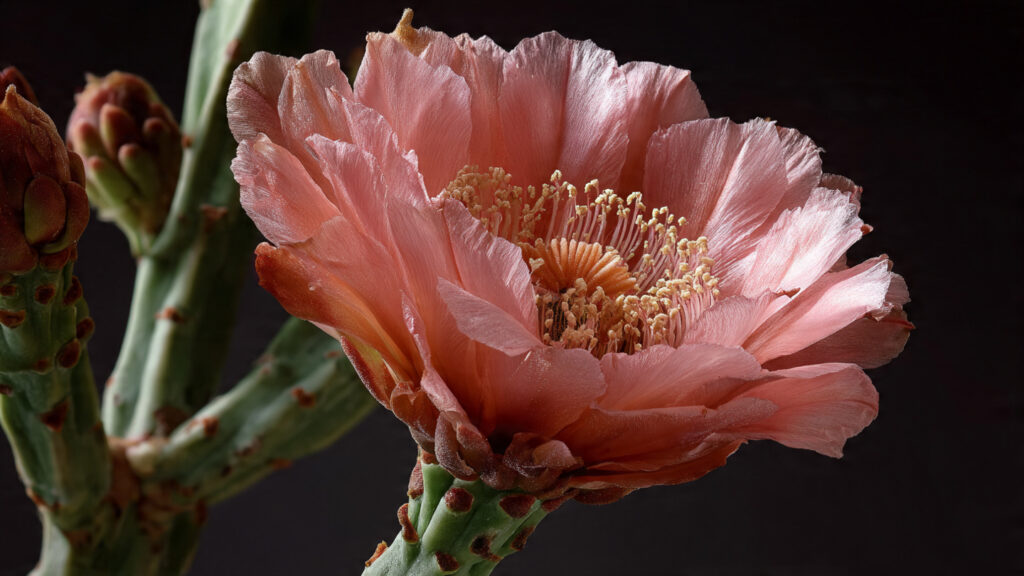
Cacti are among the most fascinating plants in the world of horticulture. Their hardy structures, unique adaptations, and often striking blooms make them prized by collectors and gardeners alike. Yet some cacti have earned a reputation for being particularly elusive when it comes to flowering. One such group is the rare, slow-blooming species that only produces flowers once a year. Understanding why these cacti bloom so infrequently requires an exploration into their biology, natural habitat, environmental triggers, and specialized care requirements. In this article, we’ll delve into the science behind their annual bloom and offer guidance for nurturing these extraordinary plants.
Understanding the Rare Annual-Bloom Cactus
Cacti that bloom just once a year often belong to genera like Selenicereus, Epiphyllum, or rare desert species such as Ariocarpus and Lophophora. These cacti have evolved unique adaptations that allow them to thrive in harsh conditions while conserving energy for a single spectacular flowering event.
Key Characteristics:
- Slow Growth: Many of these species grow very slowly, sometimes only a few centimeters per year.
- Specialized Energy Storage: They store energy over months or even years to support the energy-intensive process of flowering.
- Nocturnal or Seasonal Blooms: Some blooms open at night, attracting specific pollinators like moths or bats.
- Ephemeral Flowers: The flowers often last only 24–48 hours, making the annual bloom highly anticipated.
The infrequent blooming is not a sign of poor care; rather, it reflects a survival strategy honed by evolution in nutrient-poor or harsh environments.
Why Do These Cacti Bloom Only Once a Year?
Several factors contribute to the rare annual bloom of these cacti. Understanding these can help growers encourage flowering in their own collections.
1. Energy Conservation
Flowering is an energy-intensive process. Cacti that bloom annually invest all their stored resources into producing large, showy flowers. By blooming only once a year, they ensure the flowers are of high quality and capable of successful pollination.
- Energy Accumulation: Over several months, the cactus photosynthesizes and stores carbohydrates in its stem and roots.
- Bloom Priority: Once enough energy is stored, the plant allocates resources primarily toward flower development rather than vegetative growth.
This strategy maximizes reproductive success in environments where resources like water and nutrients are scarce.
2. Seasonal and Environmental Triggers
Many rare cacti are native to desert or subtropical regions where seasonal changes signal the optimal time for flowering. Common environmental cues include:
- Temperature Shifts: A rise or drop in temperature can trigger the growth of flower buds.
- Day Length (Photoperiod): Changes in daylight hours can stimulate flowering. For instance, some species bloom in late spring or summer when nights are longer or warmer.
- Rainfall Patterns: Desert species may flower following seasonal rains, ensuring that pollinators are active and water is available for developing seeds.
In nature, flowering synchronizes with environmental conditions that maximize the chances of pollination and seed survival.
3. Pollinator Dependence
Many cacti rely on specialized pollinators such as bats, moths, bees, or hummingbirds. Annual blooms often coincide with the activity period of these pollinators.
- Timing is Crucial: If flowers open at the wrong time, they may not be pollinated, reducing reproductive success.
- Nocturnal Blooms: Some cacti bloom at night to attract specific night-active pollinators like bats or moths.
This intricate relationship between plant and pollinator reinforces the need for a single, well-timed annual bloom.
4. Genetic Programming
Cacti have evolved internal biological clocks that control flowering cycles. Even under ideal conditions, these cacti may only flower once a year due to genetic programming that regulates bud formation, development, and opening.
- Hormonal Control: Plant hormones like gibberellins and cytokinins regulate flowering. Their levels rise gradually, triggering flower development when conditions are optimal.
- Bud Development Period: Flower buds may form months in advance, slowly maturing until the annual bloom.
Genetic programming ensures the plant’s reproductive strategy aligns with survival and environmental conditions.
Encouraging Annual Blooms at Home
While these cacti naturally bloom only once a year, proper care can enhance the likelihood of a spectacular display.
1. Provide Optimal Light
- Most flowering cacti need bright, indirect sunlight to photosynthesize efficiently.
- Some epiphytic species, like Epiphyllum, prefer filtered light, similar to their natural forest understory habitat.
- Rotate the plant periodically to ensure even light exposure.
2. Watering Techniques
- Allow soil to dry slightly between waterings to mimic natural conditions.
- Overwatering can stunt growth and prevent flowering, while underwatering can stress the plant.
- Seasonal adjustments may be necessary, such as reducing water during dormant periods.
3. Nutrient Management
- Use a balanced fertilizer during the growing season to promote healthy foliage and root growth.
- Switch to a bloom-focused fertilizer high in phosphorus in the weeks leading up to the expected flowering period.
- Avoid excessive nitrogen, which encourages vegetative growth at the expense of flowers.
4. Maintain Temperature and Humidity
- Keep plants within their preferred temperature range. Most tropical cacti prefer 65–80°F (18–27°C).
- Provide higher humidity for epiphytic species while ensuring good airflow to prevent fungal diseases.
5. Patience and Observation
- Annual bloom cacti may require years of careful cultivation before flowering for the first time.
- Observe environmental cues such as bud formation and leaf growth to anticipate bloom timing.
- Avoid disturbing buds, as they may drop if the plant experiences sudden stress.
Popular Rare Annual-Bloom Cacti
Here are a few examples of cacti renowned for their rare, annual blooms:
- Selenicereus grandiflorus (Queen of the Night):
- Night-blooming cactus with large white flowers that last only a single evening.
- Native to Mexico and Central America, often grown as a hanging plant indoors.
- Epiphyllum oxypetalum (Dutchman’s Pipe Cactus):
- Tropical epiphytic cactus with fragrant, nocturnal flowers.
- Requires bright, indirect light and well-draining, slightly acidic soil.
- Ariocarpus spp.:
- Slow-growing desert cactus that blooms annually with small but colorful flowers.
- Native to northern Mexico, prefers dry, mineral-rich soil and bright sunlight.
- Lophophora williamsii (Peyote):
- Rare desert species with annual blooms that attract specific pollinators.
- Grows slowly and requires careful care in cultivation.
These examples demonstrate the diversity of cacti that exhibit annual blooming behavior and highlight the specialized care each species requires.
➡️ How to Grow Malabar Spinach from Cuttings for Fast, Easy Greens
➡️ How to Grow Super Delicious Cabbage at Home Without a Garden
➡️ How to Grow Bean Sprouts at Home in Plastic Bottles Easily (Step‑by‑Step Guide)
➡️ Why is Your Lemon Tree Blooming in the Heart of Winter?
➡️ Why Should Your Garden Have a Dedicated Pollinator Highway?
➡️ Why Do Your Fruit Trees Need a Winter Wash to Thrive in Spring?
➡️ How Can Rice Water Transform Your Fruits into Sweeter Delights?
➡️ Jumpstart Your Winter Garden: Seed Starting Under Lights
Common Challenges with Annual Bloom Cacti
1. Slow Growth
- Many rare cacti grow extremely slowly, sometimes taking years to reach flowering maturity. Patience is essential.
2. Bud Drop
- Sudden temperature changes, overwatering, or physical disturbances can cause buds to fall before opening.
3. Pests and Diseases
- Mealybugs, spider mites, and fungal infections can stress plants and inhibit flowering.
- Regular inspection and preventive care are crucial.
4. Incorrect Lighting
- Too little light prevents bud formation.
- Too much direct sun can scorch leaves and hinder bloom development.
By anticipating these challenges, growers can provide the environment that supports annual flowering.
The Beauty and Reward of the Annual Bloom
The once-a-year bloom is part of the allure of these rare cacti. The dramatic contrast of colorful, ephemeral flowers against sculptural foliage creates a truly memorable display. For collectors and gardeners, witnessing the bloom is a reward for months—or even years—of careful cultivation.
- Short-lived Beauty: Flowers often last only one to three nights.
- Fragrance: Many nocturnal bloomers produce a strong, sweet scent to attract pollinators.
- Collector’s Pride: Successfully flowering a rare cactus is a significant achievement for indoor plant enthusiasts.
The annual bloom is a testament to the plant’s resilience, adaptation, and extraordinary life cycle.
Final Thoughts
Rare cacti that bloom just once a year are a fascinating example of evolutionary adaptation. Their slow growth, energy-conserving strategies, dependence on environmental cues, and pollinator-specific flowering schedules make each bloom a remarkable event. While growing these cacti at home requires patience, careful care, and attention to detail, the reward—a spectacular, ephemeral flower—is unmatched.
Key takeaways for growers:
- Provide optimal light, temperature, and humidity for your specific cactus species.
- Manage water and nutrients carefully to support overall health and bud development.
- Be patient; slow-growing cacti may take years before producing their first bloom.
- Protect flower buds from stress and disturbance to maximize the chance of flowering.
- Observe and replicate natural environmental cues to encourage annual blooms.
By understanding the biology, environmental needs, and specialized care of these rare cacti, gardeners can enjoy the thrill of a once-a-year bloom and cultivate a stunning addition to their indoor or outdoor plant collection.