Popcorn is more than just a movie-time snack—it’s a fun, rewarding, and surprisingly easy crop to grow in your own backyard. While most people associate popcorn with store-bought bags or commercial fields, there exists a unique variety of popcorn seed that can transform even a small backyard into a cornucopia of fluffy, delicious kernels. With the right seed variety, proper planting techniques, and attentive care, home gardeners can cultivate popcorn plants that produce high yields and flavorful kernels for fresh popping at home.
This guide explores how this unique popcorn seed variety can revolutionize your backyard gardening experience, covering everything from selecting seeds, preparing soil, planting, caring for your popcorn crop, harvesting, and storing kernels, to creative ways to enjoy your harvest.
Understanding Popcorn as a Garden Crop
Popcorn is a member of the grass family, Zea mays everta, and is a specialized variety of maize distinguished by its small, hard kernels and moisture content that allows them to “pop” when heated. Unlike sweet corn or field corn, popcorn kernels are compact, firm, and have a dense hull, which traps steam during heating and causes the kernel to burst.
Key characteristics of popcorn plants:
- Growth habit: Tall, upright stalks, typically 3–5 feet in height.
- Climate preference: Warm-season crop that requires full sun.
- Soil requirement: Well-draining, fertile soil with a pH of 6.0–6.8.
- Harvest timeline: Typically 90–120 days from planting to mature ears.
This makes popcorn an ideal backyard crop for gardeners with sunny plots and a desire for a fun, edible yield.
The Unique Seed Variety
The secret to transforming your backyard into a popcorn paradise lies in selecting the right seed variety. Certain unique popcorn seeds are bred for:
- High yield: Producing multiple ears per stalk.
- Uniform kernel size: Ensures consistent popping quality.
- Flavor and texture: Rich, classic popcorn flavor.
- Drought tolerance: More resilient to variable backyard conditions.
- Compact growth: Ideal for smaller gardens or raised beds.
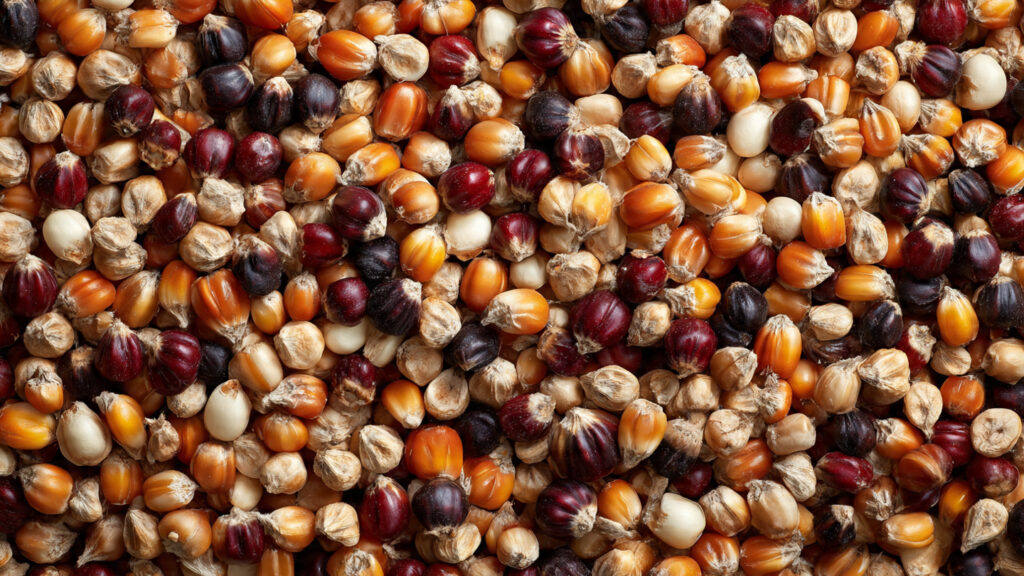
Some popular backyard popcorn varieties include “Strawberry Popcorn,” known for its red kernels, “Blue Hopi,” with bluish kernels and a nutty flavor, and hybrid varieties designed for consistent yields. Choosing a unique variety tailored to your garden space increases the likelihood of successful growth and maximum harvest.
Selecting the Perfect Site
Popcorn thrives in sunny locations with good air circulation. For backyard cultivation:
- Choose a location receiving at least 6–8 hours of direct sunlight daily.
- Avoid areas prone to waterlogging, as excessive moisture can cause root rot.
- Ensure sufficient space between rows for airflow and easy maintenance.
- Consider companion planting with beans or squash to naturally improve soil fertility and deter pests.
Even in small backyards, popcorn can be grown in raised beds, large containers, or vertical trellis systems, especially compact seed varieties designed for limited space.
Soil Preparation
Healthy soil is critical for vigorous popcorn growth and abundant kernels.
Soil Guidelines:
- Well-draining, loamy soil enriched with organic matter.
- Fertile with plenty of nitrogen, phosphorus, and potassium to support stalk and kernel development.
- Slightly acidic to neutral pH (6.0–6.8).
Preparation Steps:
- Clear the planting area of weeds and debris.
- Work in compost or well-rotted manure to improve fertility.
- Add a slow-release, balanced fertilizer to support early growth.
- Till the soil lightly to ensure aeration and root penetration.
Proper soil preparation encourages strong stalks capable of supporting multiple ears and maximizing kernel quality.
Planting Popcorn Seeds
Popcorn seeds require warm soil and careful spacing to thrive.
Planting Guidelines:
➡️ How to Grow Malabar Spinach from Cuttings for Fast, Easy Greens
➡️ How to Grow Super Delicious Cabbage at Home Without a Garden
➡️ How to Grow Bean Sprouts at Home in Plastic Bottles Easily (Step‑by‑Step Guide)
➡️ Why is Your Lemon Tree Blooming in the Heart of Winter?
➡️ Why Should Your Garden Have a Dedicated Pollinator Highway?
➡️ Why Do Your Fruit Trees Need a Winter Wash to Thrive in Spring?
➡️ How Can Rice Water Transform Your Fruits into Sweeter Delights?
➡️ Jumpstart Your Winter Garden: Seed Starting Under Lights
- Wait until soil temperatures reach 65–70°F (18–21°C) to prevent poor germination.
- Sow seeds 1–2 inches deep, spacing them 8–12 inches apart in rows 24–36 inches apart.
- For compact backyard varieties, reduce spacing slightly but ensure adequate airflow.
- Water gently after planting to settle the soil around seeds.
By following correct planting depth and spacing, each stalk has enough room to grow tall, strong, and produce high-quality ears.
Watering and Mulching
Popcorn requires consistent moisture, particularly during germination and ear development:
- Water 1–2 inches per week, adjusting for rainfall and temperature.
- Avoid overwatering, which can lead to root rot.
- Apply mulch around the base of plants to retain soil moisture, reduce weed growth, and regulate soil temperature.
Consistent moisture ensures kernels develop fully, producing optimal popping results.
Fertilization and Growth Support
Fertilizing popcorn supports strong stalks and kernel formation:
- Apply a nitrogen-rich fertilizer during early growth to encourage tall, leafy stalks.
- Switch to a phosphorus and potassium-rich fertilizer when tassels form to promote healthy ear and kernel development.
- Side-dress with compost or organic fertilizer periodically to replenish nutrients.
Additionally, tall popcorn varieties may benefit from staking to prevent stalk breakage during wind or heavy ear formation.
Pollination for Maximum Yield
Popcorn plants produce male tassels at the top and female ears along the stalk. Proper pollination is critical for kernel formation:
- Wind is the natural pollinator for corn, but spacing rows appropriately ensures adequate pollen distribution.
- For small backyard gardens, gently shaking tassels over ears in the morning can enhance pollination.
- Avoid crowding plants, which can reduce airflow and inhibit pollen transfer.
Successful pollination results in fully filled kernels, producing a high-quality popping experience.
Pest and Disease Management
Popcorn is generally hardy but may encounter pests and diseases in backyard gardens:
Common Pests:
- Corn earworms, aphids, and cutworms.
- Use organic insecticidal sprays or row covers to protect developing ears.
Common Diseases:
- Rust, leaf blight, or smut.
- Maintain proper spacing and airflow to minimize fungal infections.
- Remove affected leaves promptly to prevent spread.
Healthy, pest-free plants are more likely to produce straight, uniform ears with fully developed kernels.
Harvesting Popcorn
Knowing when and how to harvest is key to producing kernels that pop perfectly:
- Popcorn is ready when husks turn brown, and kernels are hard and glossy.
- Ears should feel firm when gently squeezed.
- Cut ears from the stalk with scissors or pruners to avoid damaging the plant.
- Leave harvested ears in a dry, ventilated area to cure for 2–4 weeks, allowing kernels to dry to optimal moisture content (13–14%).
Proper harvesting and curing preserve flavor, texture, and popping quality.
Storing and Enjoying Your Popcorn
Once cured, popcorn can be stored and enjoyed year-round:
- Remove husks and store kernels in airtight containers in a cool, dry place.
- Avoid moisture, which can prevent kernels from popping.
- Experiment with home popping methods: stovetop, air popper, or microwave.
- Try flavor variations like lightly salted, spiced, or caramel-coated popcorn for variety.
Homegrown popcorn offers unmatched freshness and flavor compared to store-bought options.
Benefits of Growing Your Own Popcorn
- Freshness: Enjoy freshly harvested kernels with superior flavor.
- Fun and educational: Popcorn plants provide a hands-on learning experience for gardeners of all ages.
- Space efficiency: Compact seed varieties make it possible to grow popcorn in small urban gardens or containers.
- Customization: Choose unique varieties with red, blue, or multicolored kernels for visual appeal.
- Self-sufficiency: Produce your own snack while reducing dependence on store-bought products.
Growing popcorn in your backyard combines gardening enjoyment with culinary rewards.
Transforming Your Backyard
With the right unique seed variety, careful planting, and attentive care, any backyard can become a popcorn paradise. Whether you have a sprawling garden, a raised bed, or even a large container setup on your patio, this versatile crop adapts to your environment. By following proper soil preparation, watering, fertilization, pruning, pollination, pest management, and harvesting techniques, gardeners can cultivate a lush, productive popcorn patch that delights the senses and provides delicious, homegrown snacks.
This unique seed variety allows gardeners to grow popcorn not just as a crop, but as a fun and rewarding garden feature—combining vibrant greenery, tall stalks, and colorful kernels. From sowing seeds to popping fresh kernels, growing your own popcorn offers satisfaction, education, and enjoyment for the whole family.
By implementing these techniques, backyard gardeners can:
- Maximize yield and kernel quality.
- Enjoy the aesthetic appeal of tall, leafy popcorn plants.
- Provide fresh, healthy snacks from their garden.
- Introduce variety with unique, colorful popcorn seed types.
With patience and attention to detail, anyone can transform a standard backyard garden into a popcorn paradise, combining the joy of gardening with the fun and flavor of fresh popcorn.